Find a Business or Government Department in Southern Africa

Opportunity to feature your business advertisement in the upcoming
SADC Government Handbook 2025-2026 publication.

Click here to find out how

SADC News

Image Title Excerpt
https://d15k2d11r6t6rl.cloudfront.net/pub/bfra/gmivbdbo/npx/s0f/fuf/5.jpg Logo Investment Outlook The renewable energy sector in Southern Africa presents investors with compelling opportunities across multiple value chains from technology manufacturing and EPC (Engineering, Procurement, and Construction) partnerships to financing and capacity building. As governments streamline licensing and procurement processes, the private sector’s role in generation and distribution continues to grow.
Additionally, the rise of green financing instruments, such as climate bonds and blended finance facilities, is unlocking new avenues for sustainable project funding. Development finance institutions (DFIs) and multilateral partners are actively supporting these eff orts, recognising the sector’s potential to accelerate economic recovery and industrialisation.

Towards a Greener, More Connected Future

Renewable energy is no longer a distant goal - it is the foundation of Southern Africa’s next economic chapter. By leveraging innovation, regional cooperation, and investment partnerships, the SADC region is poised to achieve a more resilient, inclusive, and sustainable energy future.

As Southern African Trade Mag continues to spotlight the continent’s trade and investment frontiers, the renewable energy sector stands as a shining example of how economic growth and environmental stewardship can coexist - powering not just industries, but an entire region’s ambitions.
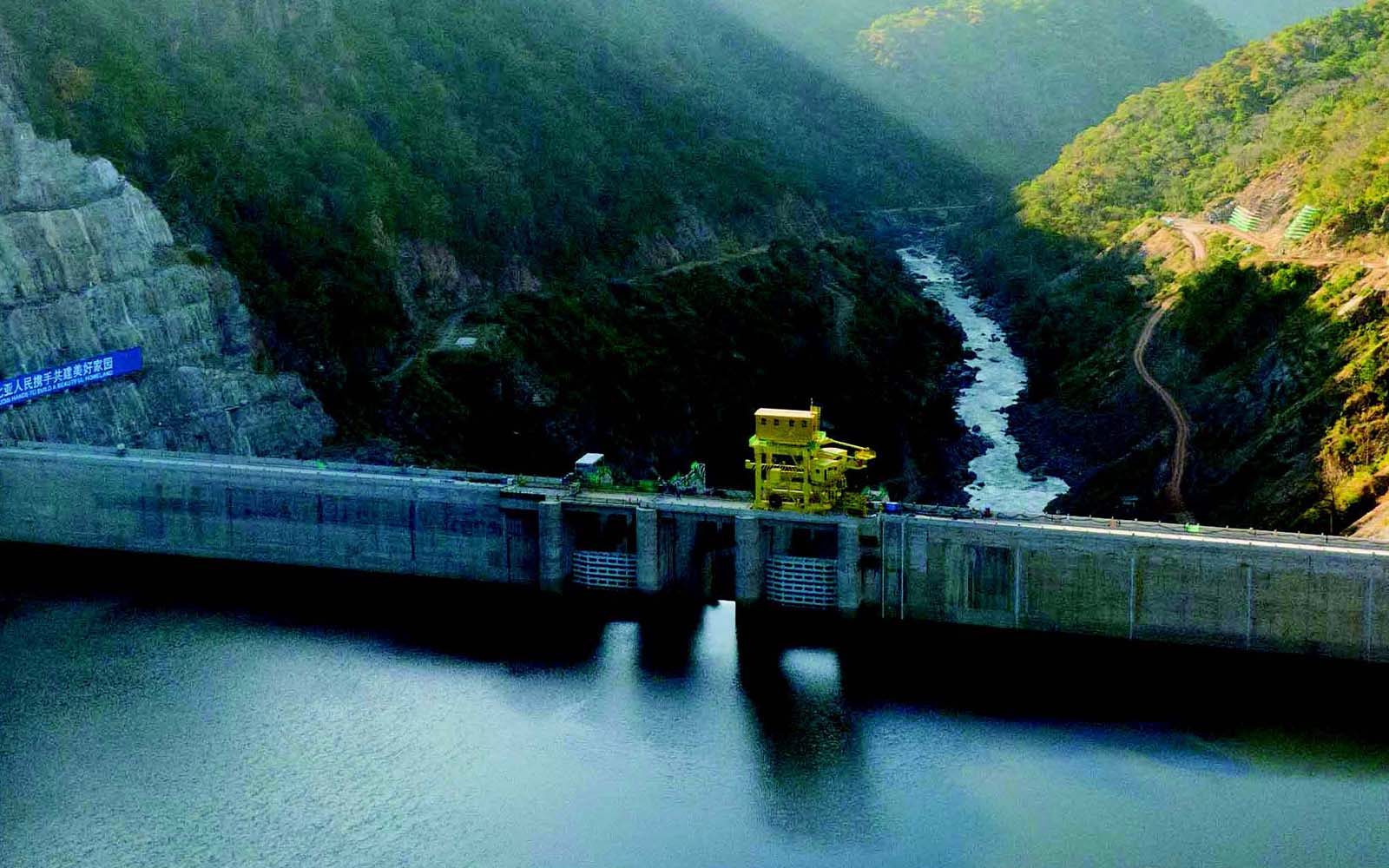
https://d15k2d11r6t6rl.cloudfront.net/pub/bfra/gmivbdbo/f0u/dk3/ilb/britannica-insights-Phil-the-Fixer-renewable-energy.webp Logo Powering the Future As Southern Africa continues to advance toward sustainable economic growth, renewable energy has emerged as one of the region’s most dynamic and transformative sectors. From large-scale solar farms in Namibia to wind corridors in South Africa and hydropower projects in Zambia, the region is steadily reshaping its energy landscape - reducing carbon footprints while unlocking new trade and investment potential.

The Shift Toward Sustainability

Driven by the dual imperatives of energy security and climate resilience, governments across the SADC region are prioritising renewable energy as a catalyst for inclusive growth. Policy frameworks, such as South Africa’s Renewable Energy Independent Power Producer Procurement Programme (REIPPPP) and Namibia’s National Integrated Resource Plan, are attracting billions in foreign direct investment and empowering local energy innovators.

This transition is not just about replacing fossil fuels - it’s about re-engineering economies for a low-carbon future. Renewable energy projects are creating jobs, enabling rural electrification, and reducing dependence on imported energy, thereby enhancing regional self-sufficiency.

Solar Power Expansion

With some of the highest solar irradiation levels in the world, Southern Africa is rapidly scaling photovoltaic (PV) and concentrated solar power (CSP) installations. Projects like the De Aar Solar Power plant in South Africa and the Omburu Solar PV plant in Namibia exemplify the potential for solar to become the backbone of the regional energy mix.

Wind and Hydro Integration

The region’s wind corridors - notably in South Africa’s Western Cape and coastal Namibia are being developed alongside major hydropower assets such as Zambia’s Kafue Gorge Lower project and Mozambique’s Cahora Bassa scheme, creating a diversified renewable portfolio.

https://d15k2d11r6t6rl.cloudfront.net/pub/bfra/gmivbdbo/1zk/pab/21i/3_1.jpg Logo Innovation and sustainable production The manufacturing sector is also evolving through innovation and technology. From advanced material processing to automation and green manufacturing, companies across the SADC region are adopting practices that align with global environmental and quality standards.

Sustainability is no longer optional - it’s a competitive advantage. Local producers are investing in cleaner production methods and circular economy models, ensuring that Southern African-made products can compete in markets that increasingly demand transparency and traceability.

Empowering regional trade

The African Continental Free Trade Area (AfCFTA) has opened new opportunities for Southern African manufacturers. By reducing tariff s and harmonising trade standards, it allows for smoother movement of goods and greater economies of scale. The is boosting regional supply chains and creating a stronger intra-African industrial network.

A region ready to manufacture its future

The raw materials and manufacturing sector is more than just an economic pillar it’s a foundation for sustainable development, job creation, and regional resilience. By trans-forming its natural wealth into industrial capacity, Southern Africa is positioning itself not just as a source of raw commodities, but as a centre of production and innovation for the global economy.
https://d15k2d11r6t6rl.cloudfront.net/pub/bfra/gmivbdbo/npm/ntz/7v9/1_1.jpg Logo From resources to results Southern Africa stands at a pivotal moment in its industrial journey. Long celebrated for its abundant natural resources from rich mineral reserves to vast agricultural outputs the region is now shifting focus from extraction to trans-formation. The raw materials and manufacturing sector is rapidly becoming the engine driving sustainable growth, value addition, and cross-border trade within the SADC bloc.

The shift from extraction to industrialisation

For decades, Southern Africa’s economies have relied heavily on exporting unprocessed raw materials. Today, however, a new industrial vision is taking shape one centred on beneficiation, local production, and regional integration. Governments are actively promoting policies that encourage value addition, seeking to retain more economic benefit within the region.

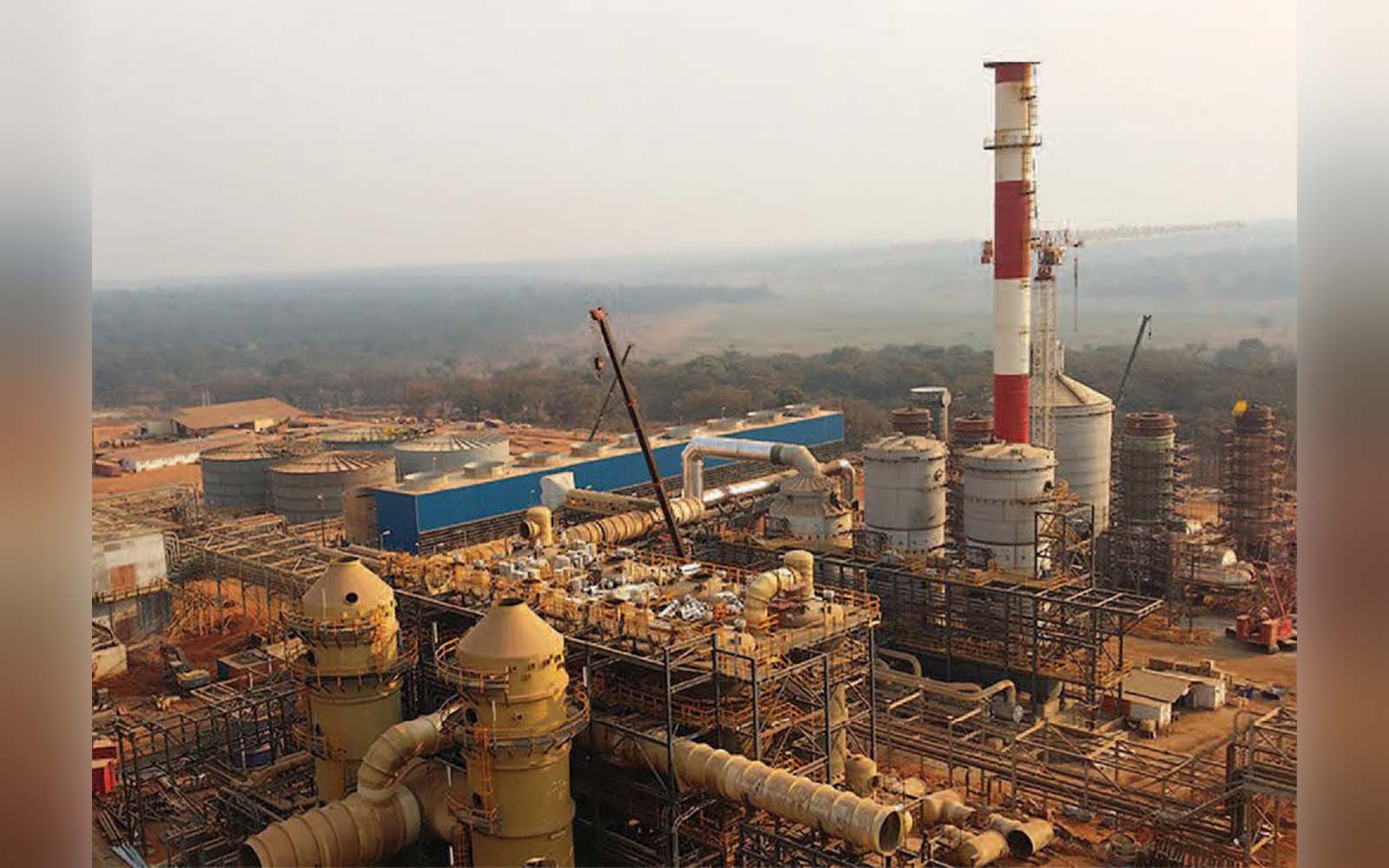
This transition is visible across industries: copper smelting in Zambia, lithium refining in Zimbabwe, steel manufacturing in South Africa, and agro-processing hubs in Malawi and Mozambique. The goal is clear to move from being suppliers of raw materials to global manufacturers of finished and semi-finished goods.

Building capacity and connectivity

Infrastructure development plays a crucial role in this transformation. Major transport corridors such as the North–South and Walvis Bay Corridors are strengthening supply chains and linking inland production zones to global ports. At the same time, investments in energy, logistics, and digital infrastructure are enabling factories to operate more efficiently and competitively.

Public-private partnerships are driving the development of industrial parks, special economic zones (SEZs), and export pro-cessing hubs that offer incentives for manufacturers to establish regional operations. These initiatives are attracting both domestic and international investors seeking access to one of the fastest-growing markets in the world.
https://d15k2d11r6t6rl.cloudfront.net/pub/bfra/gmivbdbo/13d/j0l/7iu/Untitled-1.jpg1.jpg Logo Regional growth through local expertise Local manufacturing and engineering capabilities are also on the rise. Companies in South Africa, Botswana, and Namibia are increasingly producing and servicing high-quality equipment locally, reducing dependence on imports while building skilled employment.

Strategic partnerships with international suppliers are boosting local assembly, training, and technical support enhancing the region’s ability to deliver reliable solutions tailored to African conditions.

Pumps and valves in infrastructure and water security

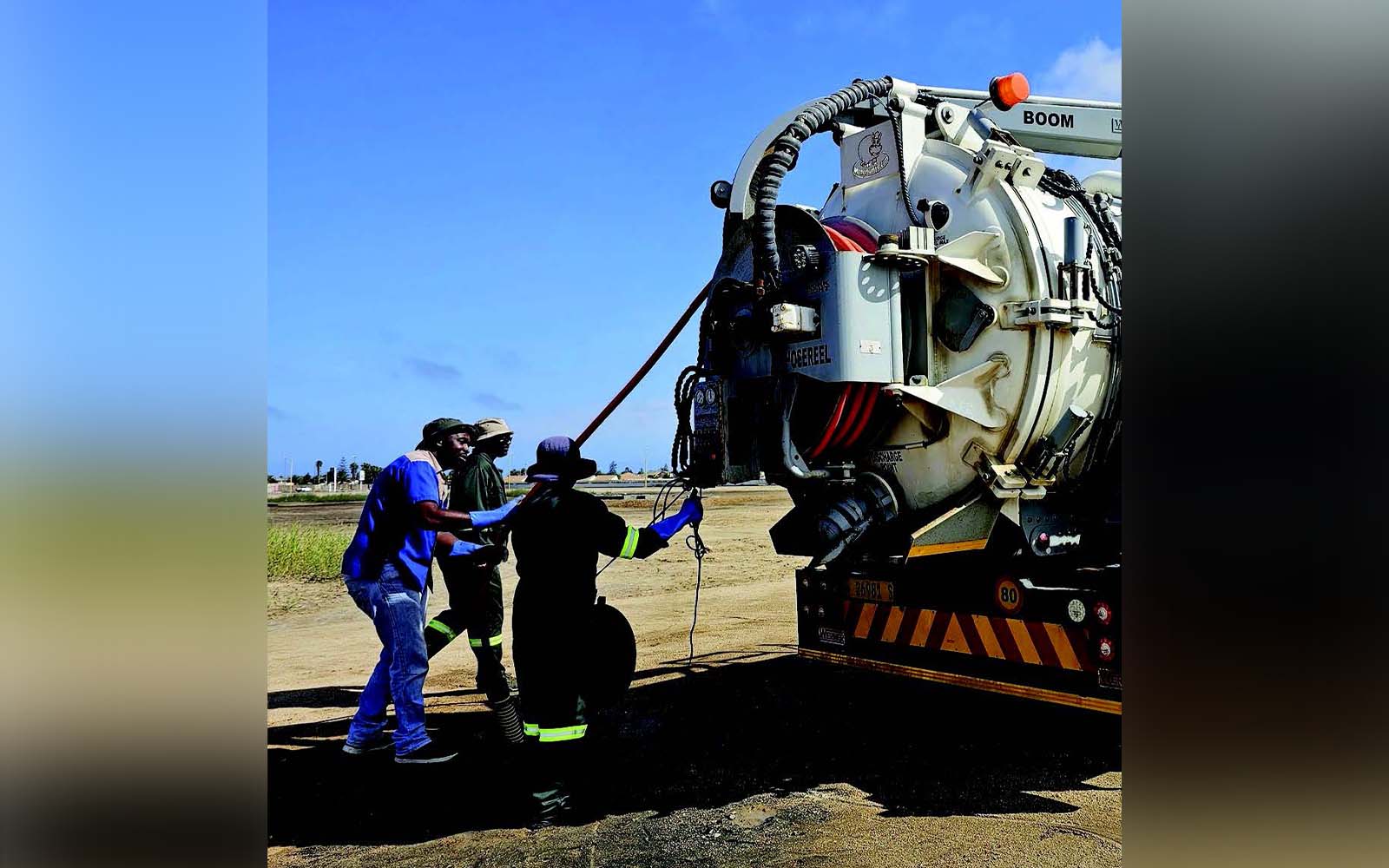
Water management remains a central challenge and opportunity for the region. With climate change intensifying water scarcity, efficient pumping and flow control solutions have become crucial for both urban and rural communities. Large-scale infrastructure projects, from desalination plants to cross-border water transfer schemes, rely heavily on the expertise of this sector.

Similarly, in energy and petrochemical industries, the demand for precision-engineered valves and pumps continues to grow supporting refinery upgrades, renewable energy installations, and green hydrogen initiatives.

Driving the flow of industrial progress

As Southern African Trade Mag explores the sectors propelling regional trade and industrial expansion, the pumps and valves industry stands out as a silent powerhouse. Its role in sustaining productivity, enabling innovation, and securing the continent’s most critical resource water cannot be over-stated.

With continued investment, local innovation, and a focus on sustainability, Southern Africa’s pumps and valves industry is not just maintaining the flow it’s driving the pulse of progress across the region.


https://d15k2d11r6t6rl.cloudfront.net/pub/bfra/gmivbdbo/jqu/oav/an8/Untitled-1_1.jpg Logo Keeping Africa Flowing How Southern Africa’s pumps and valves industry powers progress

Across Southern Africa’s industrial landscape from mining shafts to water treatment plants and petrochemical facilities pumps and valves quietly keep the region’s economy in motion. These essential components form the backbone of industries that fuel development, manage resources, and sustain infrastructure growth across the SADC region.

The beating heart of industry

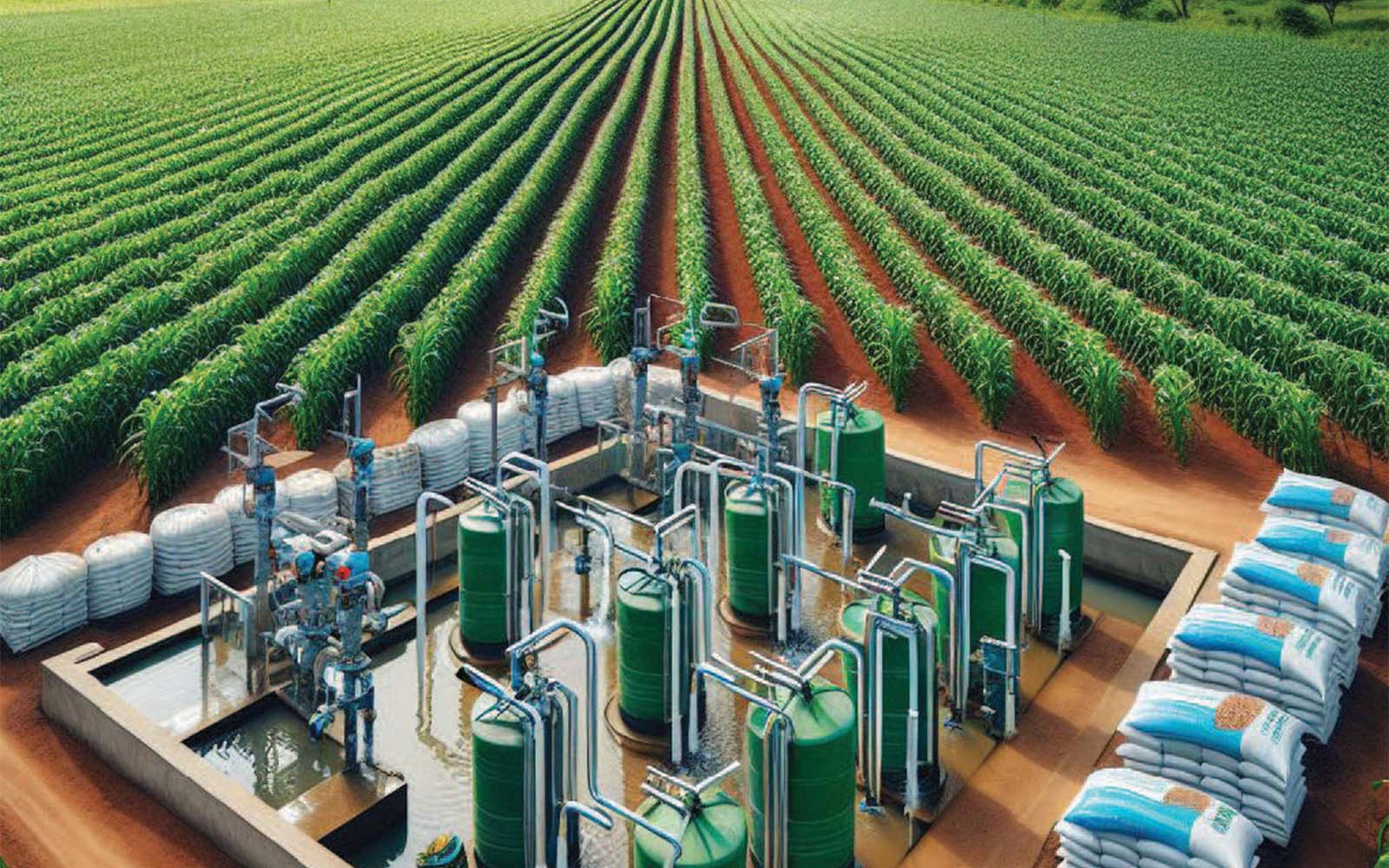
Pumps and valves are far more than mechanical devices they are the heartbeat of modern industry. In mining, they ensure efficient slurry transport and dewatering; in agriculture, they drive irrigation systems that sustain food security; and in energy and manufacturing, they maintain precision flow control in complex production environments.

As the region continues to industrialise, the demand for robust, efficient, and technologically advanced fluid-handling systems has surged. Southern Africa’s expanding network of mines, power plants, and municipal water projects presents an ever-growing market for innovation in this vital sector.

Engineering for efficiency and sustainability

Today’s pumps and valves must do more than move fluids they must do so sustainably. Manufacturers and distributors across the region are investing in energy-efficient systems that reduce operational costs and environmental impact.

Advanced materials, smart monitoring systems, and automation technologies are trans-forming the way facilities manage their operations. Predictive maintenance and IoT-enabled devices are helping industries cut downtime and extend equipment life ensuring that every drop counts.
https://d15k2d11r6t6rl.cloudfront.net/pub/bfra/gmivbdbo/lfb/pid/1bu/3.jpg Logo Understanding B-BBEE As the Southern African region continues to attract foreign investment, many multi-national and regional companies are expanding their footprint into South Africa a market known not only for its economic potential but also for its commitment to inclusive growth. One of the most important aspects of operating within this environment is understanding the Broad-Based Black Economic Empowerment (B-BBEE) framework, and how it applies to foreign-owned entities doing business in the country.

A framework for inclusive growth

Introduced to address the inequalities of the past, B-BBEE has become a cornerstone of South Africa’s economic transformation policy. It provides a structured way for businesses to contribute to empowerment through ownership, skills development, enterprise and supplier development, and socio-economic initiatives. For foreign-owned companies, understanding and participating in this framework is not only a matter of compliance it’s a pathway to sustainable local integration and credibility within the South African market.

Why B-BBEE matters for foreign investors

Beyond compliance, B-BBEE certification enhances a company’s ability to operate competitively in the local market. Many public and private sector tenders, supply chain partnerships, and corporate contracts in South Africa require B-BBEE certification as part of their procurement criteria.

For foreign businesses, demonstrating commitment to transformation signals a deeper respect for the country’s economic vision and strengthens brand reputation, stake-holder relationships, and
long-term sustainability.
https://d15k2d11r6t6rl.cloudfront.net/pub/bfra/gmivbdbo/62d/k0x/p2i/2.jpg Logo The Rise of Bleisure Travel A growing number of travellers are combining business with leisure a trend reshaping the hospitality landscape. Modern hotels and lodges are increasingly catering to this “bleisure” audience with business-ready amenities, high-speed connectivity, and proximity to trade hubs, while still offering authentic local experiences.

This shift benefits both the tourism and trade sectors, ex-tending stays, increasing visitor spending, and fostering a deeper appreciation for regional destinations.

Sustainability and Smart Investment

A growing number of travellers are combining business with leisure - a trend reshaping the hospitality landscape. Modern hotels and lodges are increasingly catering to this “bleisure” audience with business-ready amenities, high-speed connectivity, and proximity to trade hubs, while still offering authentic local experiences.

This shift benefits both the tourism and trade sectors, extending stays, increasing visitor spending, and fostering a deeper appreciation for regional destinations.

A Welcoming Future

As Southern African Trade Mag continues to spotlight sectors shaping the region’s development, the accommodation and hospitality industry stands out as a bridge between commerce and culture.

By fostering connections, enabling investment, and showcasing the best of Southern African hospitality, this sector is not just welcoming travellers - it’s opening the doors to trade, tourism, and long-term prosperity across the region.
https://d15k2d11r6t6rl.cloudfront.net/pub/bfra/gmivbdbo/9f6/sr0/dto/Untitled-1.jpg2.jpg Logo Staying Open for Business How Southern Africa’s Accommodation Sector Fuels Trade and Tourism Growth

Southern Africa is fast becoming one of the most attractive destinations for both business and leisure a region where world-class hospitality meets thriving trade and investment. From luxury resorts on the Mozambican coastline to business hotels in Lusaka and eco-lodges in Botswana’s wilderness, the accommodation sector is playing a vital role in connecting people, cultures, and commerce across the SADC region.

Hospitality at the Heart of Regional Growth

Tourism and trade are deeply intertwined. Every conference hosted, every cross-border business trip, and every cultural event brings with it the need for quality accommodation and hospitality services. The region’s growing network of hotels, lodges, and serviced apartments is helping to facilitate the fl ow of people and ideas - supporting both tourism and business development.

As governments continue to promote regional integration through the SADC Tourism Programme and African Continental Free Trade Area (Af-CFTA) initiatives, accommodation providers are emerging as key enablers of economic growth, job creation, and in-vestment promotion.

Diverse Destinations, Unified Potential

The beauty of Southern Africa lies in its diversity and so does its hospitality offer.

This regional variety provides unparalleled opportunities for cross-border tourism circuits and integrated travel experiences that can boost intra-African travel and strengthen economic ties.

https://d15k2d11r6t6rl.cloudfront.net/pub/bfra/gmivbdbo/11i/q2i/j6h/0001224363_resized_steelcoverstory1022.jpg Logo Powering Possibility: Southern Africa Steps into a New Energy Future Southern Africa is on the verge of an energy transformation as the World Bank and the Southern African Power Pool (SAPP) formalised a landmark partnership in November 2025. The initiative aims to break down long-standing barriers between national grids, creating a single, interconnected energy marketplace where electricity can move freely across borders. It’s an ambitious plan, but one that could redefine the region’s economic prospects for decades.

At its core, the partnership promises what many Southern African communities have been waiting for: dependable, affordable power. By strengthening transmission lines and integrating renewable energy sources across multiple countries, the agreement seeks to reduce the cost of electricity and dramatically cut down on outages that have constrained businesses and frustrated households. Instead of each country battling its energy struggles alone, the region will share strengths, balance shortages and unlock previously unreachable energy capacity.

For policymakers and investors, this moment represents more than infrastructure - it signals a renewed belief in Southern Africa’s potential. Energy is the heartbeat of development, and by synchronising their grids, SAPP member states are taking a decisive step toward industrial expansion, climate resilience and inclusive growth. The partnership sets the stage for a future where Southern Africa is not merely keeping pace with global energy trends but shaping its own.

This is more than a project; it is the beginning of a regional power renaissance - one that could illuminate homes, strengthen industries, and electrify the continent’s next era of progress.
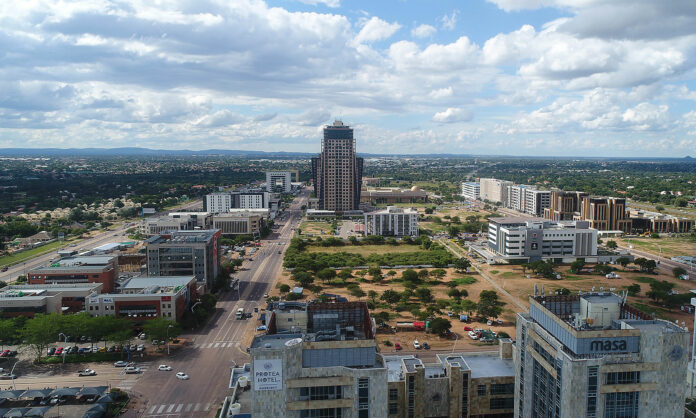
https://d15k2d11r6t6rl.cloudfront.net/pub/bfra/gmivbdbo/qc9/4or/kxr/Gaborone-Central-Business-Centre-696x418.jpg Logo Botswana Holds the Line: New Governor Makes a Calm First Move Botswana’s new central bank governor, Lesego Moseki, stepped into his role with a steady hand this week, keeping the country’s main interest rate unchanged at 3.5%. It’s a decision that signals confidence: despite rising inflation pressures, Botswana remains comfortably within its target range - a rare position in a global economy still battling volatility.

Moseki’s debut meeting sent a clear message to markets and households alike: stability comes first. By holding the rate, the Bank of Botswana aims to balance controlled inflation with the country’s long-term growth ambitions. Investors have welcomed the decision, interpreting it as a sign that Botswana’s monetary policy will remain predictable, disciplined, and focused on sustainable recovery.

For a region where economic turbulence often dominates the headlines, Botswana’s measured approach is a reminder that calm leadership can still set the tone. With a new governor in charge and a steady policy outlook, the country appears determined to navigate global uncertainty while keeping its own momentum intact.
https://d15k2d11r6t6rl.cloudfront.net/pub/bfra/gmivbdbo/07y/v0a/7lu/BOTSWANA%20INDEPENDENCE%20DAY%2030TH%20SEPTEMBER%281%29.png Logo Botswana at 59: Healing, Hope and a Call to Unity Drums, song, and the cry of "Pula!" echoed across the nation as Botswana proudly marked its 59th Independence Anniversary. From Gaborone to the most remote villages, the blue, black, and white flag waved high in celebration of nearly six decades of freedom, peace, and democracy. It was more than a national holiday it was a moment of joy, reflection, and pride in how far the Republic has come since 1966.

A Message of Healing

Delivering his first independence message as President, Boko emphasized that peace and harmony are not just lofty ideals but essential ingredients for healing-both personal and national. Reflecting on everyday examples, he pointed to the conduct of world-class sprinter Tebogo Letsile, who reportedly did not complain or make trouble when temporarily suspended for a false start.

This, Boko said, demonstrated courage beyond years, a quiet strength in accepting hardship with dignity and composure.

The presidents call was direct:
"Increase peace and harmony in our homes, heal weaknesses in the lives of others take the other cheek if necessary."
Looking Back, Looking Forward
For nearly six decades Botswana has charted a path distinct from many nations grappling with post-colonial challenges.
Democracy has endured, institutions have strengthened, and economic growththough unevenhas delivered improved infrastructure, social services, and a measure of stability. But this milestone is not simply a time for looking back; it's a time for asking how to sustain and deepen the gains.

Boko's speech acknowledged that future lies not only in grand ambitions but in everyday acts: in how neighbours treat each other, how families reconcile differences, how citizens show compassion. "Let us continue to succeed many times beyond the low standards that others have expected of us," he challenged Batswana, calling on them to develop their talents and raise their voice so the world cannot ignore them.

The Challenge of Resources and Community Support

Even as the message was optimistic, there was a note of humility. For the first time in history, the government admitted it would be unable to provide for Independence Day festivities as usual. But in true Botswana fashion, private businesses have stepped up: contributing approximately P2 million worth of food to be distributed across districts.
This gesture serves as a reminder that nation-building is shared work.

Government leadership matters, but so too does civil society, the private sector, families, and each individuals behaviour.

Botswana's Story of Resilience
Botswana's story since independence has been one of transformation. From modest beginningslow infrastructure, limited resources, and economic vulnerabilitythe country has steadily built institutions, nurtured democratic norms, and managed natural resources (especially diamonds) with relative responsibility. It has been praised for its political stability in a region often troubled by volatility.

And yet challenges remain:

maintaining growth, creating jobs (especially for young people), ensuring that development is inclusive and sustainable, and navigating global pressures such as climate change.
Healing, as Boko suggests, means acknowledging past wounds, but also committing to shared responsibility for the future.

Pula, Peace, Prosperity
As the sun sets on Botswana's 59th Independence Day, the words "Pula!" - "rain," a blessing - ring out not just as celebration, but as a prayer and a resolve. May this nation continue in peace and harmony; may the small acts of kindness and integrity multiply; may the collective voice of Batswana rise so "the whole world fails to ignore it," as President Boko urged.

Here's to Botswana: 59 years strong, and stepping boldly into its future with courage, unity, and purpose
https://d15k2d11r6t6rl.cloudfront.net/pub/bfra/gmivbdbo/1kw/fcb/z0j/Shawn-Nthaile-is-assistant-minister-for-communications-and-Innovation.jpg Logo Empowering Botswana's Digital Future Through Youth and Innovation Botswana's true strength lies not in its mineral wealth, but in its peopleespecially the youth and womenwhose creativity and innovation will define the country's digital future, according to Assistant Minister of Communications and Innovation, Mr. Shawn Ntlhaile.

Speaking at the launch of the national ICT Summit and Awards hosted by the Botswana Information Technology Society (BITS), Mr. Ntlhaile emphasised the critical need to empower young people and women through mentorship, education, and access to digital opportunities. He highlighted the need for more women leading tech start-ups and more youth developing practical digital solutions that address Botswana's challenges.

Mr. Ntlhaile pointed to initiatives such as the BITS Women in ICT Chapter, the TechWomen Google Developer Group, enterprise incubators, and digital boot camps as key tools for inclusion and capacity-building. These programmes aim to expand digital literacy in schools, tertiary institutions, and local communities while also investing in broadband infrastructure to widen access.

According to Mr. Ntlhaile, achieving the country's digital goals requires more than just government effort. He called for public-private partnerships, academic research, international cooperation, and an engaged civil society. The private sector was encouraged to scale innovation, and universities were urged to bridge the gap between research and real-world applications.

He further stressed the need for smart policies and attractive incentives to support digital entrepreneurship, along with strong data protection and cybersecurity laws to ensure a safe digital environment. Continuous policy review, he said, is essential to attract investment and promote responsible innovation that aligns with global standards.

The upcoming ICT Summit and Awards, scheduled for November 1415 in Gaborone, will celebrate achievements in technology across various sectors and demographics. Mr. Ntlhaile encouraged stakeholders to use the platform to build partnerships, share knowledge, and focus on impactful solutions.

He also called for Botswana's ICT strategy to align with broader regional and global agendas, including the AU Digital Transformation Strategy, SADC Vision 2050, and the UN Sustainable Development Goals.

BITS Vice President Mr. Vish Sethi echoed the ministers sentiments, stating that the summit is a vital space to highlight home-grown innovation and encourage dialogue between government, industry, academia, and developers.

He noted that Botswana must not only adapt to global technological shifts but also strive to lead them.
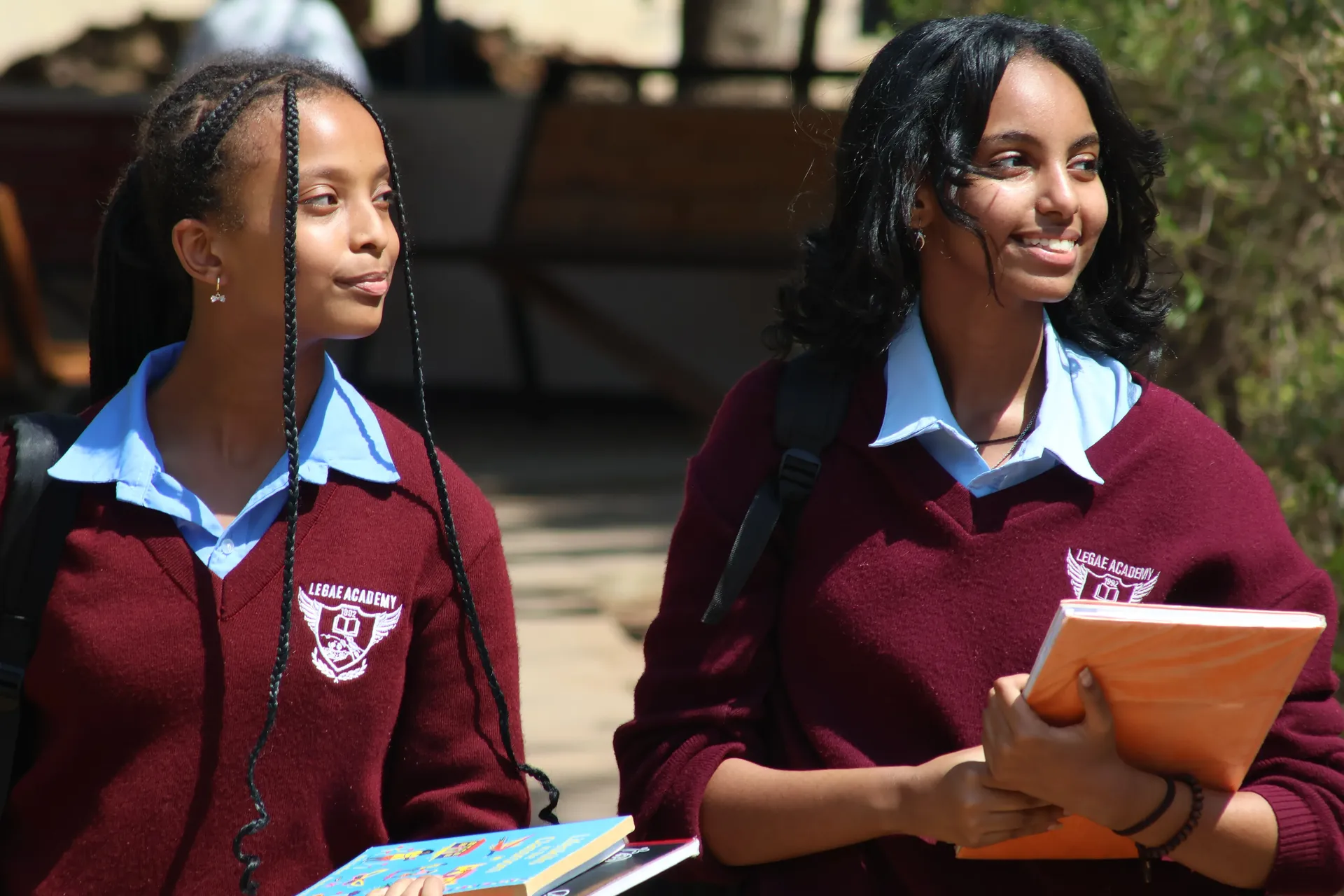
https://d15k2d11r6t6rl.cloudfront.net/pub/bfra/gmivbdbo/dfx/dam/cpq/legae%20academy1.webp Logo SGU Partners with Legae Academy to Support Aspiring Medical Students in Botswana St. Georges University (SGU) School of Medicine in Grenada, West Indies, has established a three year partnership with Legae Academy, an internationally certified secondary school located in Gaborone, Botswana. This collaboration aims to assist aspiring medical students from Legae Academy, facilitating a smoother application process to SGU. The partnership aligns with SGUs commitment to addressing the global shortage of doctors, particularly in Africa.

With a history of training 130 medical graduates from Botswana and currently enrolling 64 students from the country, SGU is dedicated to nurturing the next generation of healthcare professionals across the continent. Students from Legae Academy who gain admission to SGUs four-year MD program, as well as its 5, 6, and 7 year MD tracks, will have access to various benefits offered by the medical school.

Bradley Wade, SGUs regional director of recruitment, emphasized that this partnership reinforces SGUs ongoing commitment to empowering future healthcare professionals in Botswana. Students accepted into SGU will enjoy several advantages, including partial scholarships for self-funded students, a guaranteed interview scheme, and access to SGUs Global Medic Club. This online learning platform provides exclusive content and resources to enhance students educational experiences.

Founded in 1992, Legae Academy follows the Cambridge IGCSE and A level syllabuses, rooted in the UK education system. Over its 33 years of operation, the academy has built a strong national and international reputation, consistently achieving examination results that surpass the global average for international private schools. This track record positions Legae Academy as a leading institution for students aspiring to pursue higher education.

Easo Oommen, the principal of Legae Academy, expressed enthusiasm about the partnership with SGU, viewing it as a significant advancement for the academy. He noted that this collaboration will inspire many students to pursue careers in medicine, ultimately benefiting their communities. The partnership reflects Legae Academys dedication to providing students with enhanced global opportunities for further education and career advancement.

Through this strategic alliance, SGU and Legae Academy are working together to cultivate a new generation of medical professionals in Botswana. This initiative aims to empower students to make meaningful contributions to the healthcare systems in their country and across Africa, addressing the pressing need for qualified medical practitioners in the region.
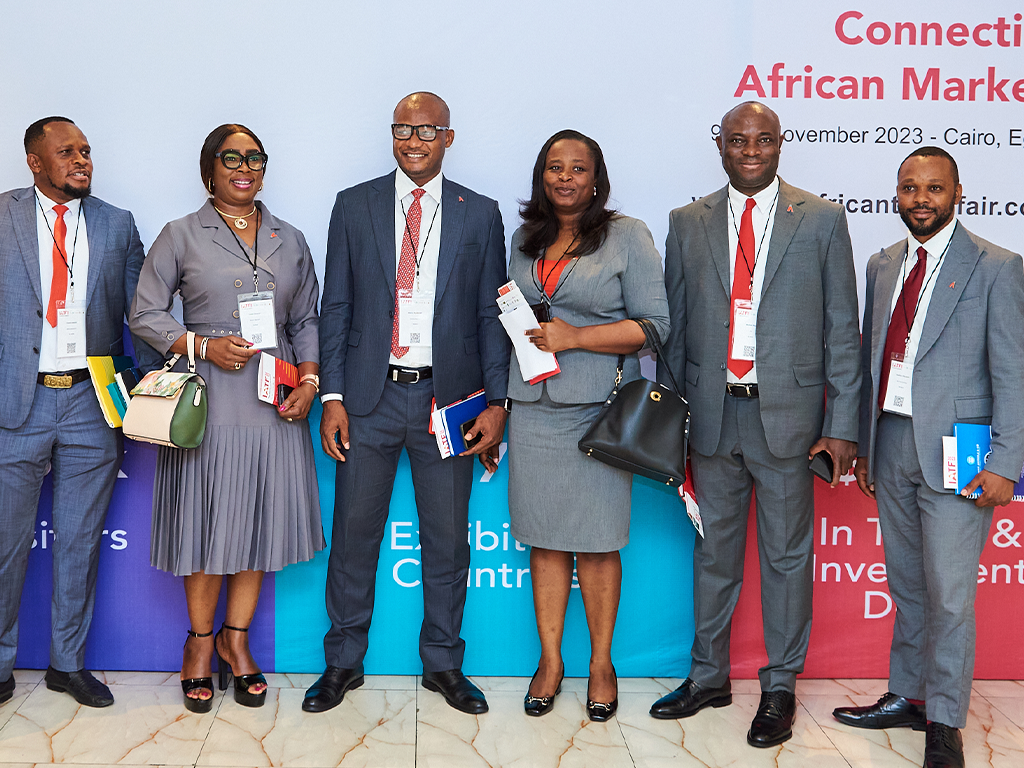
https://d15k2d11r6t6rl.cloudfront.net/pub/bfra/gmivbdbo/uyx/ova/7wx/IATF2.png Logo South Africa to Capitalize on AfCFTA for Regional Growth South Africa is poised to leverage the African Continental Free Trade Area (AfCFTA) to drive local business growth and enhance regional integration. This commitment was emphasized by Humphrey Nwugo, Regional Director (Southern Africa) at Afreximbank, during the IATF2025 South Africa Business Roadshow in Johannesburg, where he called for immediate action from both public and private sectors to seize the opportunities presented by the upcoming Intra-African Trade Fair (IATF2025).

Scheduled for September 4–10, 2025, in Algiers, IATF2025 is expected to be a pivotal event, opening doors to unprecedented trade and investment opportunities across Africa. Nwugo highlighted SAs crucial role in African integration, citing its strong economic foundations and entrepreneurial spirit as key factors that position the country to integrate into African value chains.

Wamkele Mene, Secretary General of the AfCFTA Secretariat, underscored the importance of IATF2025 in the context of global instability, asserting that Africa has the potential to overcome challenges and accelerate industrial development. He stressed the need to cultivate regional value chains, particularly in sectors like automotive and agribusiness, to foster inclusive growth.

Sihle Zikalala, Deputy Minister of Public Works and Infrastructure, described South Africa's involvement in the AfCFTA as a historic opportunity to strengthen economic ties with neighboring countries. He noted that the AfCFTA could expand market access for South African goods and services while promoting job-rich growth.

The discussions at the Roadshow emphasized the vision for IATF2025 to serve as a strategic tool for policy and practical integration. Zikalala mentioned that through partnerships and public-private collaboration, Africa could develop world-class infrastructure and reduce reliance on foreign currencies by trading in local currencies.

The event attracted over 350 business leaders, policymakers, and investors, focusing on strategies to enhance resilient supply chains and boost intra-African trade. According to the South African Revenue Service (SARS) and UN COMTRADE, South Africa recorded merchandise exports worth $110.5 billion against imports of $113.2 billion in 2023, highlighting its deep integration into global markets.

Afreximbanks 2024 African Trade Report indicated that South Africa exported $29.6 billion to African partners while importing $9.6 billion, with intra-African exports constituting 26.8% of total exports. Dr. Gainmore Zanamwe from Afreximbank reiterated the organization's commitment to facilitating seamless trade within Africa.

With projections of over 2,000 exhibitors and 35,000 visitors at IATF2025, the fair is set to generate $44 billion in trade and investment deals, offering South African businesses a significant opportunity to lead regional industrialization efforts. Algeria's Ambassador to South Africa, Ali Achoui, invited South African companies to participate, emphasizing Algeria’s economic resilience and commitment to facilitating access.
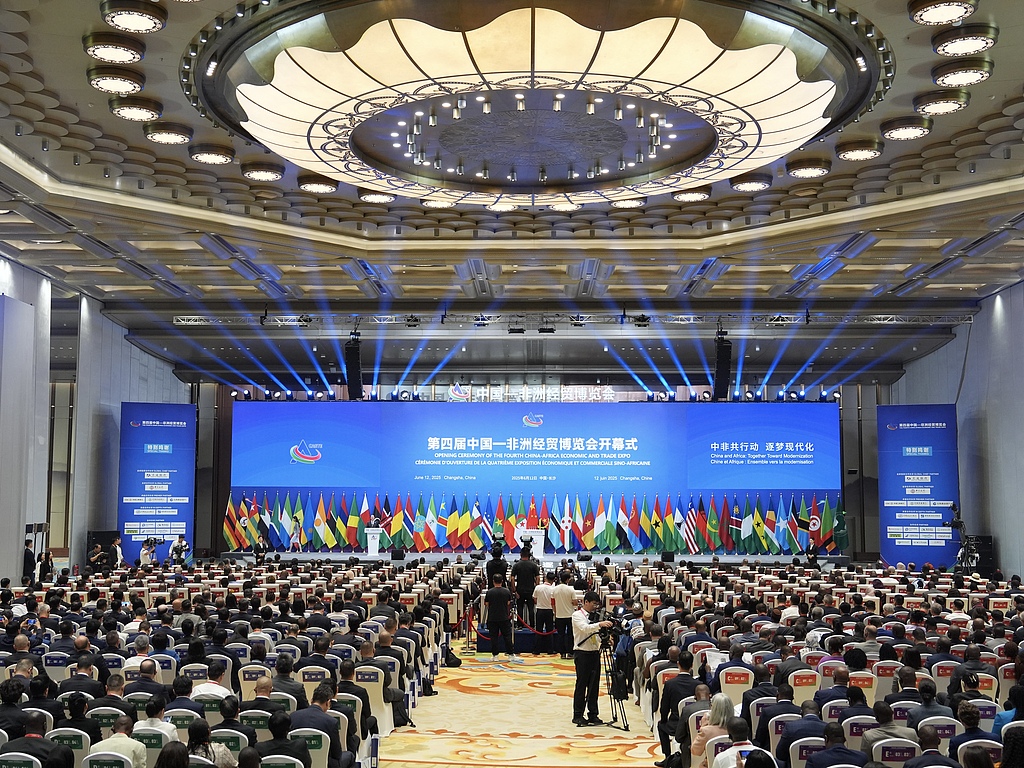
https://d15k2d11r6t6rl.cloudfront.net/pub/bfra/gmivbdbo/3bc/vkc/xou/china%20africa%20trade%20expo.jpeg Logo China Implements Zero-Tariff Policy to Boost Trade with Africa In a significant development, China has introduced a zero-tariff policy that grants duty-free access to all 53 African nations with which it has diplomatic relations. Announced in mid-2025, this initiative aims to strengthen trade connections and expand the Chinese market for a broader array of African products, enhancing export opportunities and enabling African businesses to compete more effectively in the world’s second-largest economy.

In conjunction with this policy, Wesgro, the trade, tourism, and investment promotion agency for the Western Cape, facilitated a delegations participation at the China-Africa Economic and Trade Expo (CAETE) from June 12 to 15, 2025, in Changsha, China. CAETE is recognized as one of the largest trade exhibitions globally, fostering direct connections between African businesses and the Chinese market.

The Western Cape delegation showcased a variety of products, including organic cosmetics, wines, spices, fresh flowers, teas, and nutritional goods. Wesgros CEO, Wrenelle Stander, noted that China is a vital trading partner for the Western Cape, with total exports from the province to China reaching R11.76 billion in 2024, making it one of the provinces largest export markets. Stander emphasized the importance of exploring new markets to achieve the provincial goal of tripling exports by 2035 and indicated that Wesgro will work to identify how businesses can capitalize on the opportunities arising from the new policy.

Wesgro is also focused on expanding access to other strategic markets, including the Association of Southeast Asian Nations (ASEAN), India, Brazil, and the Middle East. Stander remarked that market diversification is essential for building resilience and long-term growth for businesses in the Western Cape.

Andrew Robertson, head of business enablement and operations at Standard Bank Group, highlighted the transformative potential of Chinas zero-tariff policy for African exporters. He stated that the bank is committed to turning possibilities into opportunities for businesses driving Africa’s economies. Robertson noted that through strategic partnerships, such as with Wesgro, they aim to help businesses convert policy into tangible progress by unlocking access to high-potential buyers.

Wesgro and Standard Bank Group have collaborated to facilitate the participation of Western Cape exporters at CAETE 2025, connecting local businesses with Chinese buyers and enhancing market access in this evolving trade landscape.
https://d15k2d11r6t6rl.cloudfront.net/pub/bfra/gmivbdbo/89u/wc8/2uf/Mary%20Baine%20ATAF.webp Logo Mary Baine Appointed as New Executive Secretary of ATAF The African Tax Administration Forum (ATAF) has announced the appointment of Mary Baine as its new Executive Secretary, effective July 1, 2025.

ATAF serves as a collaborative platform that unites tax administrations across Africa, facilitating discussions and capacity-building initiatives aimed at enhancing tax systems to support the sustainable development of African nations.

The announcement was made earlier this week by Edward Kieswetter, the Commissioner of the South African Revenue Service (SARS) and the current Chair of ATAF. Baine will succeed Logan Wort, who has led the organization since 2009.

Baine, who previously served as the Commissioner General of the Rwanda Revenue Authority and has been the deputy executive secretary at ATAF, is recognized for her extensive leadership experience and commitment to fostering fair, effective, and inclusive tax systems throughout Africa. Kieswetter highlighted that Baines appointment signifies a new and promising chapter in ATAFs evolution.

Kieswetter emphasized that Baines extensive expertise, demonstrated leadership, and unwavering dedication to the Forums mission uniquely position her to guide ATAF into its next phase. He expressed confidence in her ability to lead the organization effectively, given her background and commitment to advancing tax administration across the continent.

ATAF plays a crucial role in enhancing cooperation among African tax authorities, promoting best practices, and building capacity to improve tax collection and compliance. Under Baines leadership, the organization aims to continue its mission of strengthening tax systems that contribute to the economic growth and development of African countries.

As Baine prepares to take on her new role, the focus will be on addressing the challenges faced by tax administrations in Africa, including the need for modernization, increased efficiency, and the promotion of equitable tax policies. Her leadership is expected to drive initiatives that will enhance collaboration among member states and improve the overall effectiveness of tax systems across the continent.

With her appointment, Baine is set to lead ATAF in its ongoing efforts to create a more robust and inclusive tax environment in Africa, ensuring that tax systems are not only efficient but also equitable and supportive of sustainable development goals.
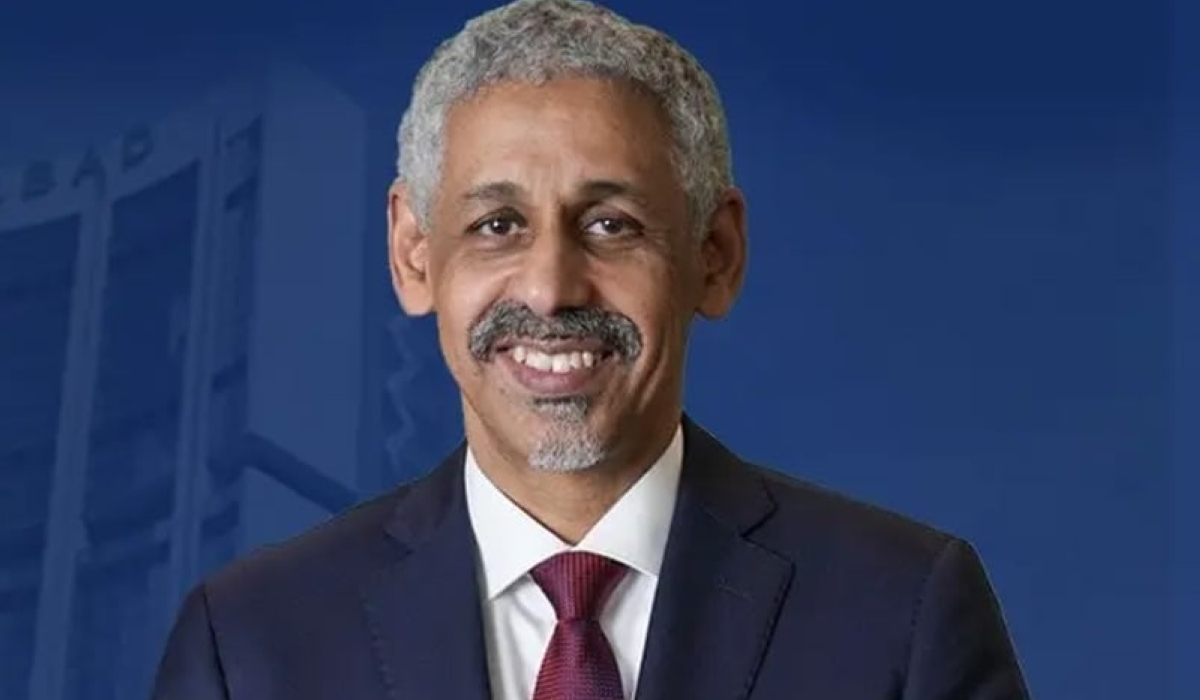
https://d15k2d11r6t6rl.cloudfront.net/pub/bfra/gmivbdbo/o0q/ogc/h92/Mauritian%20Olad%20Tah.jpg Logo Mauritanias Sidi Ould Tah Elected as Next AfDB President Amid Economic Pressures Sidi Ould Tah, former finance minister of Mauritania, has been elected as the new president of the African Development Bank (AfDB) during the institutions annual meeting held Thursday in Abidjan, Ivory Coast.
Tah will take over from Nigerias Akinwumi Adesina, whose second and final term ends in September 2025. According to a statement from the bank, Tah brings over three decades of experience in African and global finance. His leadership at the Arab Bank for Economic Development in Africa (BADEA) from 2015 to 2025 is noted for a major institutional overhaul that saw the banks balance sheet grow fourfold, achieving a AAA rating and gaining recognition as a top-rated African development finance institution.
He secured the presidency in a competitive race involving four other candidates: Senegals Amadou Hott, Zambias Samuel Maimbo, Chads Mahamat Abbas Tolli, and SAs Bajabulile Swazi Tshabalala. According to AfDB election rules, a candidate must receive more than 50.01% of the votes to win.
Tahs five-year term will begin on September 1, 2025, with the possibility of re-election for a second term.
His leadership begins during a challenging period for African economies, with foreign aid reductions, trade tensions, and a slowdown in infrastructure funding from key international partners like China and the United States. The U.S. has recently imposed tariffs that have further reduced investor confidence, while high global interest rates are increasing the debt burden for many African nations.
Earlier this week, the AfDB revised its economic outlook for the continent, pointing to major global trade disruptions. However, the bank expressed confidence in Africas ability to withstand economic shocks, environmental threats, and shifting geopolitical forces.
Tah has been recognized for launching BADEAs $1 billion callable capital program, aimed at supporting African multilateral development banks. During his campaign, he emphasized priorities such as raising development finance, modernizing financial systems, supporting Africas growing youth population, and improving infrastructure resilience.
The AfDB is jointly owned by 54 African countries and several non-African states, including Japan, Saudi Arabia, and the United States. Nigeria remains the institutions largest shareholder.

https://d15k2d11r6t6rl.cloudfront.net/pub/bfra/gmivbdbo/u3j/foo/uja/BTA%20Botswana.jpg Logo Botswana Open Tennis Championships Set to Kick Off Next Month The Botswana Tennis Association (BTA) is gearing up to host the Botswana Open Tennis Championships from June 27 to July 1 at the National Tennis Centre in Gaborone. This event is a key highlight on the BTAs annual calendar.

According to BTA Vice President Nonofo Othusitse, the championships will serve as a vital platform for both local and regional players to compete alongside international athletes, providing them with valuable exposure to high-level competition. This year, the association aims to feature its top players in both the men's and womens categories.

Othusitse mentioned that several players based in the United States, including Denzel Seetso, Leungo Monnayoo, Batsomi Marobela, Ekua Refilwe Youri, and Mark Nawa, will join local talents such as Naledi Raguin, Chelsea Chakanyuka, and Seabo Saleshando for this year's tournament. The event will also serve as a preparatory stage for the upcoming Billie Jean King Cup and Davis Cup.

Looking ahead to the 2025 edition, Othusitse expressed hopes of attracting around 150 participants, with players expected from Botswana, Lesotho, Mauritius, Mozambique, Namibia, Seychelles, South Africa, Zambia, Zimbabwe, and eSwatini. He emphasized that Botswana currently lacks professional tennis events, and the BTA is determined to change this through the Botswana Open.

Othusitse pointed out that while there are six weeks of international junior ranking tournaments, opportunities for players transitioning to senior levels are limited. The Botswana Open aims to bridge this gap by providing a platform for players to compete in an international event that offers substantial prize money and ranking points.

The BTA's ultimate goal is to elevate the Botswana Open to an international event recognized by the ITF World Tennis Tour, allowing players to compete at home. Othusitse acknowledged that achieving these high-level ambitions will require the support and endorsement of various stakeholders, including the government, BNSC, BNOC, and the private sector.

Preparations for the championships began earlier this year, and the BTA has reached out to various businesses for partnerships. Othusitse appealed to corporate entities in Botswana to support this initiative, highlighting that a well-funded Botswana Open could contribute to economic diversification through sports tourism.
https://d15k2d11r6t6rl.cloudfront.net/pub/bfra/gmivbdbo/lh1/jql/x5m/women-film-lab.jpg Logo Zambia Launches Womens Film Lab to Empower Female Filmmakers The Zambian Women in Film and the Zambian Short Film Festival have introduced the Zambia Womens Film Lab, a program designed to empower 25 female filmmakers with essential skills and training to navigate the film industry effectively.

During the launch event, Jessy Chissy, the Founder of the Womens Film Club, emphasized that the skills acquired through this initiative will enable women to amplify their voices on critical issues that impact policy-making.

Mufaweli Mwambo, Vice President of the National Association of Media Arts (NAMA), highlighted that this training is crucial for encouraging women to assume leadership roles within the film sector and addressing the existing gaps in gender equality. She noted that the four-day workshop aims to uncover untapped talent among women and introduce diverse perspectives and ideas into the industry.

In addition, Adrian Chipindi, Director of the National Arts Council (NAC), shared that his organization is in the process of establishing a National Film Commission. This initiative aims to restructure the film sector and ensure the sustainability of talent within the industry. Mr. Chipindi also mentioned that NAC has signed a memorandum of understanding with the National Pension Scheme Authority (NAPSA) to provide support for artists during retirement. This agreement, set to take effect in June, will include provisions for female artists on maternity leave, with a monthly contribution of K60.

The Zambia Womens Film Lab represents a significant step towards empowering women in the film industry, fostering leadership, and promoting gender equality while ensuring that artists are supported throughout their careers.
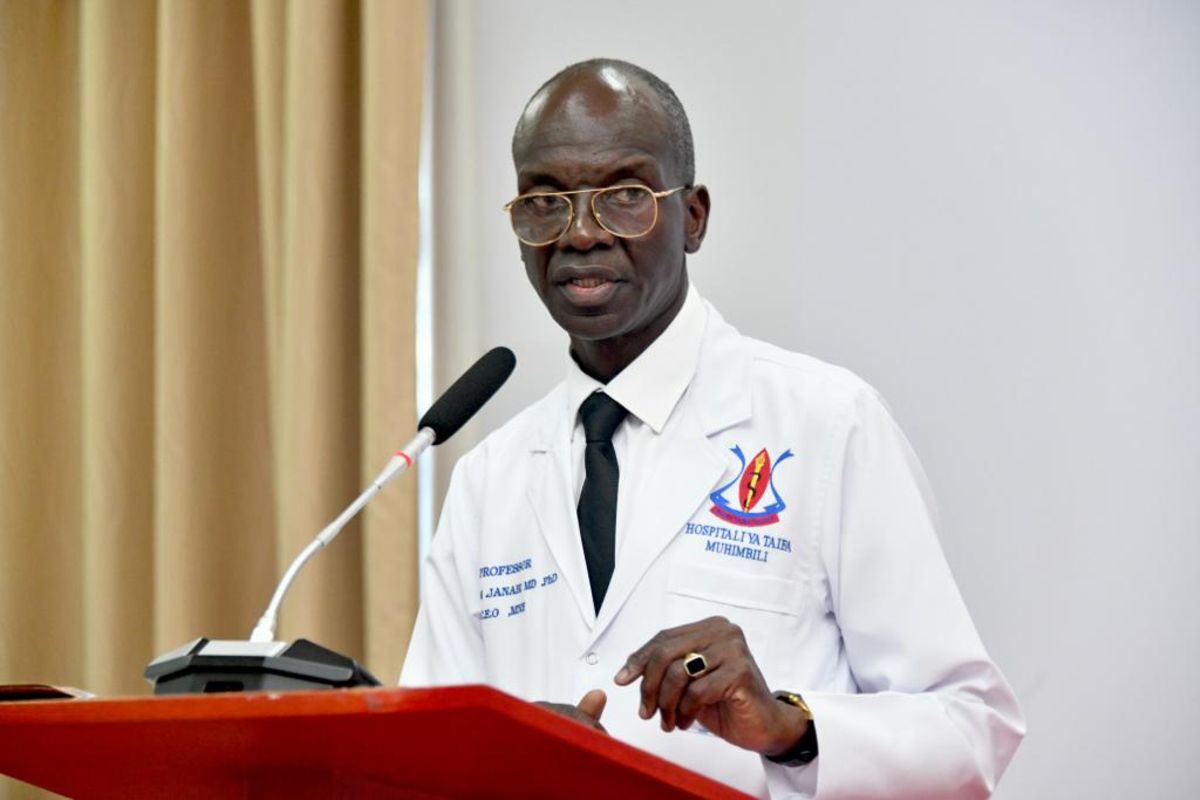
https://d15k2d11r6t6rl.cloudfront.net/pub/bfra/gmivbdbo/6uj/5qi/7za/Prof%20Janabi%20Regional%20Director%20for%20Africa%20WHO.jpg Logo Tanzanias Prof. Janabi Appointed WHO Regional Director for Africa Tanzanias Professor Mohamed Yakub Janabi has been elected as the new Regional Director for Africa at the World Health Organization (WHO). This decision was made during a voting session of the WHO Regional Committee for Africa held in Geneva.

The announcement came from Dr. Louise Mapleh Kpoto, Liberias Minister of Health and Social Welfare, who chaired the session. She stated that the committee had adopted two resolutions, one of which nominated Prof. Janabi for the position, in accordance with the organization's constitutional guidelines.

The Tanzanian delegation erupted in applause and celebration upon hearing the news, marking a significant achievement for the country. The proceedings were briefly paused to allow the delegates to express their joy over this historic moment. Following this nomination, the decision will be forwarded to the WHO Executive Board for final approval. If confirmed, Prof. Janabi will serve a term of five years and eight months.

Dr. Kpoto extended her congratulations to Prof. Janabi, acknowledging his nomination by the Regional Committee. Prof. Janabi is a distinguished cardiologist and health policy expert, bringing over 30 years of experience in clinical practice, public health leadership, and institutional reform. His election is seen as a pivotal moment for Tanzania's role in global health governance.

This appointment highlights Tanzanias growing influence in international health matters and reflects the countrys commitment to improving health outcomes across the African continent. Prof. Janabis extensive background in health policy is expected to contribute significantly to the WHO initiatives in the region.

As the new Regional Director, Prof. Janabi will face various challenges, including addressing public health issues and enhancing healthcare systems in Africa. His leadership is anticipated to foster collaboration among member states and strengthen the region's response to health crises.

In summary, Prof. Janabi election as the WHO Regional Director for Africa is a proud moment for Tanzania, showcasing the nations dedication to advancing health initiatives and improving the well-being of its citizens and those across the continent.
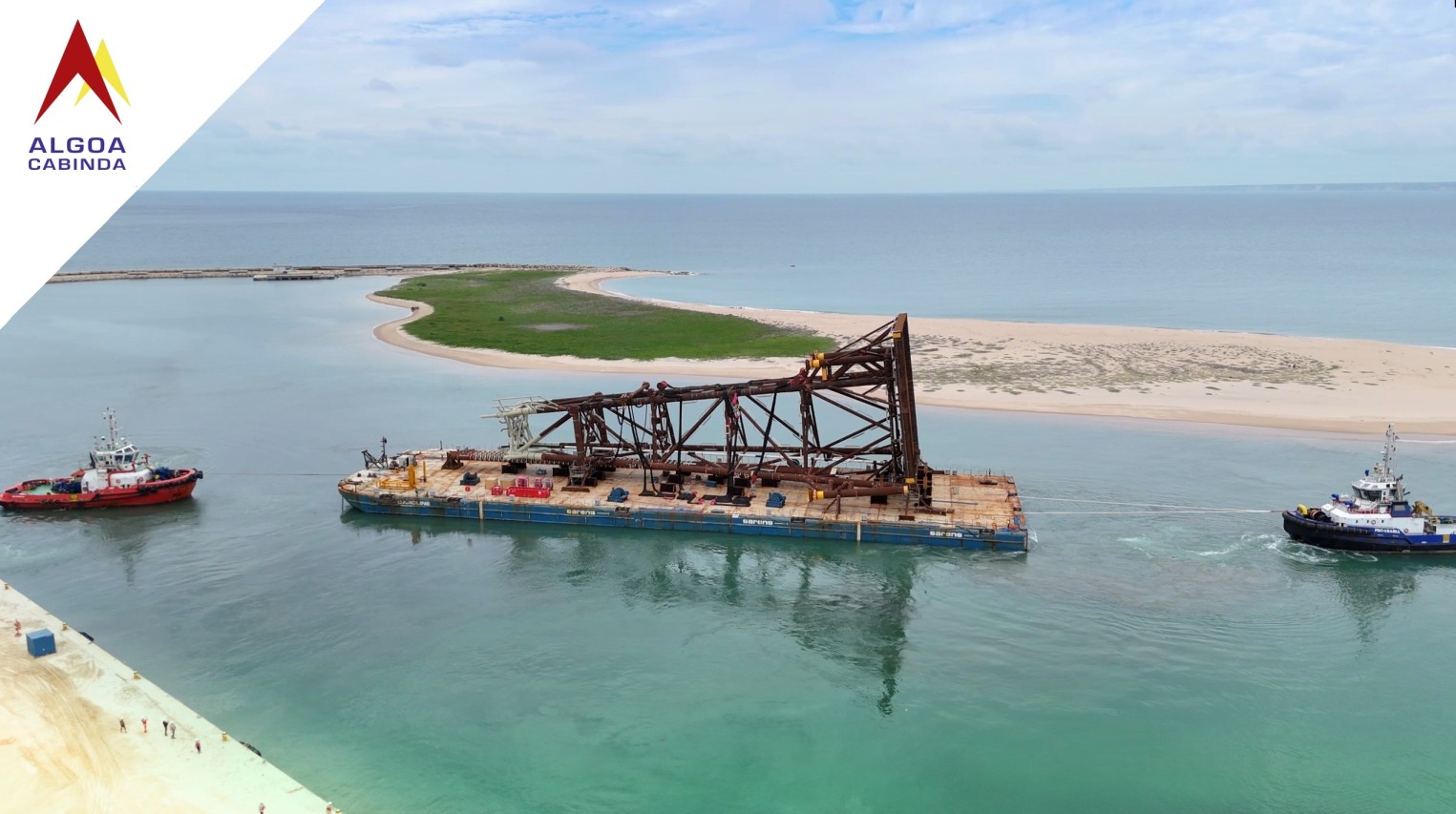
https://d15k2d11r6t6rl.cloudfront.net/pub/bfra/gmivbdbo/iz6/1iy/8a1/algoa_main-2-2.jpg Logo Algoa Cabinda Fabrication Services Backs Angola Oil & Gas 2025 as Bronze Sponsor Algoa Cabinda Fabrication Services has confirmed its participation as a Bronze Sponsor for the upcoming Angola Oil & Gas (AOG) 2025 conference, scheduled to take place from September 3 to 4 in Luanda. This partnership highlights the company’s dedication to the development of Angolas energy sector and its long-term investment in local oil and gas infrastructure.
In a major milestone earlier this year, Algoa Cabinda successfully delivered the South N’dola wellhead platform for the Cabinda Gulf Oil Company, a Chevron affiliate. Built to serve Angolas offshore Block 0, the fixed-braced platform comprises 12 production wells and a monobore design that links directly with the Mafumeira platform. This installation has enhanced operational efficiency by ensuring a direct resource flow to the Malongo terminal and the Angola LNG facility, reflecting Algoas expertise in integrated fabrication solutions.
Widely recognized as Angolas premier oil and gas industry event, the AOG conference enjoys strong backing from national institutions such as the Ministry of Mineral Resources, Oil and Gas, the National Oil, Gas and Biofuels Agency, the Petroleum Derivatives Regulatory Institute, Sonangol, and the African Energy Chamber. The event is a crucial arena for deal-making and strategic discussions to boost the sector. Parties interested in sponsorship or attendance can contact: sales@energycapitalpower.com.
Prior to the South Ndola project, Algoa Cabinda played a key role in delivering the Lifua-A wellhead platform, working alongside Cabinda Gulf Oil Company and other stakeholders operating in Block 0. Engineered with a durable steel jacket, the Lifua-A structure was designed for stability in rough offshore conditions and serves as a cost-effective solution for unlocking marginal oil reserves—part of Block 0s estimated 200 million barrels of recoverable resources.
As Angola intensifies its efforts to sustain oil production levels above one million barrels per day, the contribution of experienced service providers like Algoa Cabinda Fabrication Services becomes even more critical. In line with these ambitions, Angola is preparing to launch an international licensing round in 2025, offering up to ten exploration blocks across the Kwanza and Benguela basins. With further exploration and development on the horizon, Algoa is well-positioned to support the nations upstream objectives.
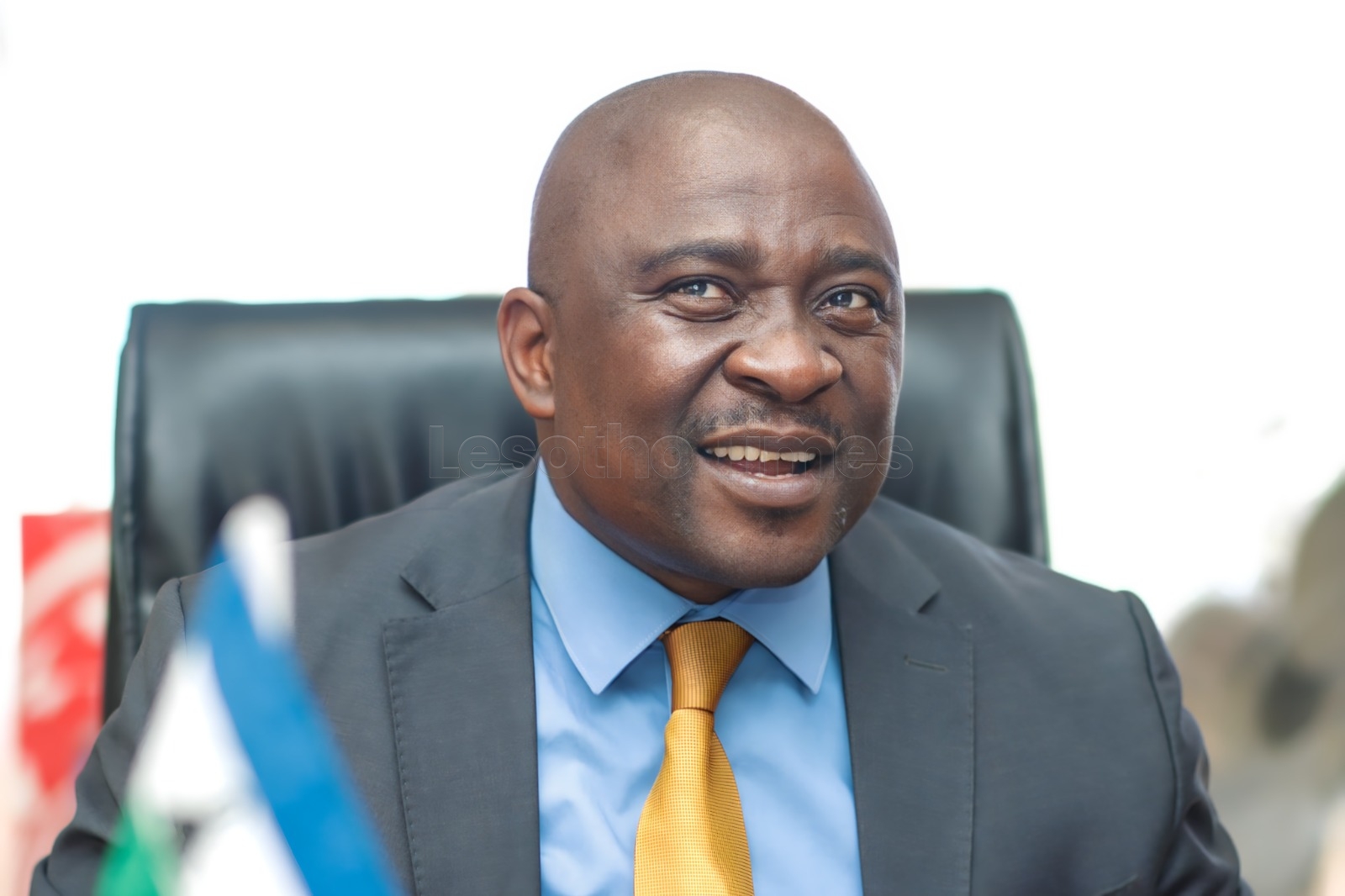
https://d15k2d11r6t6rl.cloudfront.net/pub/bfra/gmivbdbo/ma9/zty/qsc/WhatsApp-Image-2024-05-08-at-12.51.47.jpeg Logo LMDPC Launches Operation THOSO to Combat Illegal Health Practices in Lesotho The Lesotho Medical, Dental and Pharmacy Council (LMDPC) has initiated a significant crackdown on illegal health facilities and unlicensed practitioners in response to rising concerns about unregulated medical services in the country.

In an exclusive interview, LMDPC President Makamole Lelimo announced the launch of Operation THOSO, which focuses on inspecting health facilities, verifying professional credentials, and ensuring that all facilities possess valid operating licenses. The operation began last week in Maseru and Mafeteng, where several pharmacies were found operating without proper legal documentation and employing unqualified personnel to dispense medication.

Dr. Lelimo indicated that the operation had been planned for some time and was finally implemented last week. He noted that the Council would provide a total count of violations once the operation concludes and a final report is compiled. The LMDPC is collaborating with the Ministry of Health and law enforcement, which may lead to legal repercussions for offenders.

A stern warning was issued to those engaged in illegal practices, emphasizing the serious risks posed to public health. Dr. Lelimo highlighted that such actions not only violate health laws but also jeopardize the lives of Basotho.

Additionally, the Council has received formal complaints against various practitioners, including Dr. Hlalele Mofubelu of Naledi Family Clinic, who has been accused of sexually harassing female patients. While the Council has not disclosed all names under investigation, it confirmed that multiple formal complaints have been filed, and offending individuals may face suspension, deregistration, or prosecution.

The LMDPC is urging the public to verify the credentials of health practitioners and facilities before seeking medical services. Any suspicious activities should be reported directly to the Council or local health authorities. Dr. Lelimo assured that Operation THOSO will extend across all ten districts of Lesotho, with no one exempt from scrutiny.

The Council is also committed to fostering a culture of continuous professional learning, with Continuing Professional Development (CPD) points soon required for license renewal. This initiative aims to keep practitioners updated with evolving medical knowledge and standards.

To enhance accessibility, the LMDPC has revamped its official website, making it more user-friendly for both practitioners and the public. The application process for registration and licensing has been fully digitized, allowing for easier online submissions and renewals.

Dr. Lelimo reminded all registered health professionals of their responsibility to inform the Council of any changes in their professional status, ensuring compliance with regulatory requirements.
https://d15k2d11r6t6rl.cloudfront.net/pub/bfra/gmivbdbo/o6o/6hh/a8r/bon-1-2.gif Logo Namibia Migrates to ISO 20022 Payment Standard The Bank of Namibia has successfully transitioned the Namibia Interbank Settlement System (Niss) to the ISO 20022 global payment messaging standard, a significant advancement in the nationals financial infrastructure.

Niss functions as Namibias real-time gross settlement system, essential for processing both individual and retail interbank payments. The Bank of Namibia (BoN) reported that from April 2024 to April 2025, the system handled over 97,000 transactions, with a total value surpassing N$1.2 trillion.

According to the acting director of strategic communication and international relations at BoN, Naufiku Hamunime, this transition reflects the banks dedication to aligning with international standards and best practices in financial system management. The ISO 20022 standard is recognized globally for financial payment messaging and is being adopted by financial institutions worldwide.

The adoption of ISO 20022 is expected to bring numerous benefits to Namibia's payment system. These include straight-through payment processing, enhanced processing capabilities, and improved liquidity management for financial institutions. Hamunime emphasized that the new standard will also bolster the ability of financial institutions to detect and prevent fraud. The rich data format provided by ISO 20022 facilitates better monitoring and detection of fraudulent activities, thereby reinforcing global efforts to combat illicit transactions.

This migration to ISO 20022 not only modernizes Namibia's payment infrastructure but also positions the country to better integrate with international financial systems. The enhanced capabilities of the Niss will likely lead to increased efficiency in payment processing, benefiting both consumers and businesses in Namibia.

Overall, the successful implementation of the ISO 20022 standard marks a pivotal moment for the Bank of Namibia and the countrys financial landscape, promising a more secure and efficient payment environment.
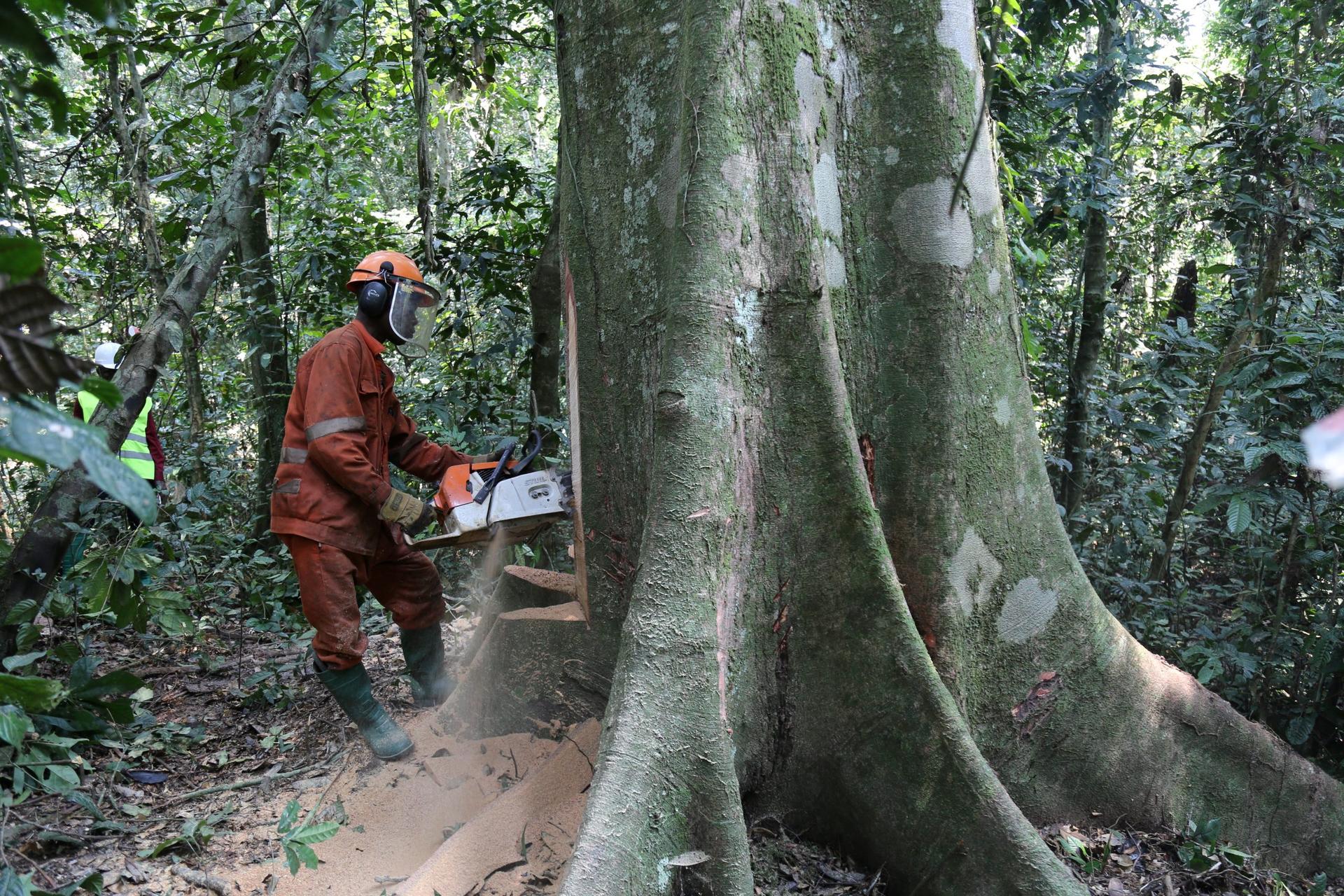
https://d15k2d11r6t6rl.cloudfront.net/pub/bfra/gmivbdbo/e8p/998/zcz/forests.jpeg Logo SADC Member States Participate in Recent UN Forum on Forests, Emphasizing Sustainable Management Recently, the Secretariat and Member States of the Southern African Development Community (SADC) participated in the Twentieth Session of the United Nations Forum on Forests (UNFF20), at the United Nations Headquarters in New York, USA. The SADC Member States represented included Angola, Botswana, the Democratic Republic of Congo (DRC), Madagascar, Namibia, South Africa, and Zimbabwe. They joined the international community in calling for accelerated implementation of the United Nations Strategic Plan for Forests 2030 (UNSPF), which serves as a reference framework for the forest-related work of UN bodies and partners.

The discussions focused on enhancing international cooperation and financing for forestry management programs, increasing visibility and support for dryland forests, strengthening national commitments, and fostering innovative funding mechanisms. There was also a strong emphasis on greater engagement of local communities, including women and youth.

During plenary sessions and side events at UNFF20, SADC delegates showcased initiatives aimed at restoring degraded forests, promoting community-based forest management, and enhancing biodiversity conservation. They underscored the critical role that forests play in combating climate change and achieving Sustainable Development Goals (SDGs).

SADC Member States highlighted activities aimed at raising awareness of the significance of forests at the national level, including the commemoration of the International Day of Forests on 21 March each year. This day provides an opportunity for engagement among traditional leaders, the public, and other stakeholders to promote the role of forests.


A senior representative from the SADC Secretariat led the delegation and addressed the attendees on the contribution of the SADC region towards achieving the priority themes of the UNSPF. The representative emphasized that SADC Member States continue to implement national forestry programs aligned with the targets and goals of the UN Strategic Plan for Forests.

The representative called for ongoing collaboration in implementing the SADC Forestry Strategy, which aims to ensure that Member States have the capacity to sustainably manage and utilize both national and transboundary forest resources. This is to be achieved through unilateral, bilateral, regional, and international frameworks that provide for economic development and ecosystem services for the people of the SADC region.

The establishment of the Global Forest Financing Facilitation Network was welcomed, as it aims to enhance countries’ access to data on forest financing. The efforts by the UNFF Secretariat in implementing the communication and outreach strategy of the UNSPF 2017-2030 were also acknowledged.

On 7 May, SADC Member States participated in a panel discussion titled “Call for Action on Dryland Forests,” where delegates stressed the importance of building on existing partnerships and utilizing tools and knowledge for effective forest management. They called for South-South cooperation and investment in capacity building for dryland forest conservation and management.

During the discussion, SADC urged urgent action among partners and stakeholders to address threats posed by land degradation, agricultural expansion, infrastructure development, and climate change, which exert pressure on forests, water resources, and soils. SADC highlighted that sustainable natural resource management is central to its regional integration and development agenda, as outlined in the SADC Regional Indicative Strategic Development Plan (RISDP) 2020-2030.

The session revolved around key priorities of the UNFF, including reversing the loss of forest cover through sustainable forest management, increasing the area of protected forests, and promoting governance frameworks for sustainable forest management.

At the conclusion of the meeting, delegates reaffirmed their commitment to sustainable forest management as a cornerstone of sustainable development, ensuring that forests remain central to supporting climate resilience, conserving biodiversity, and securing the well-being of future generations worldwide.
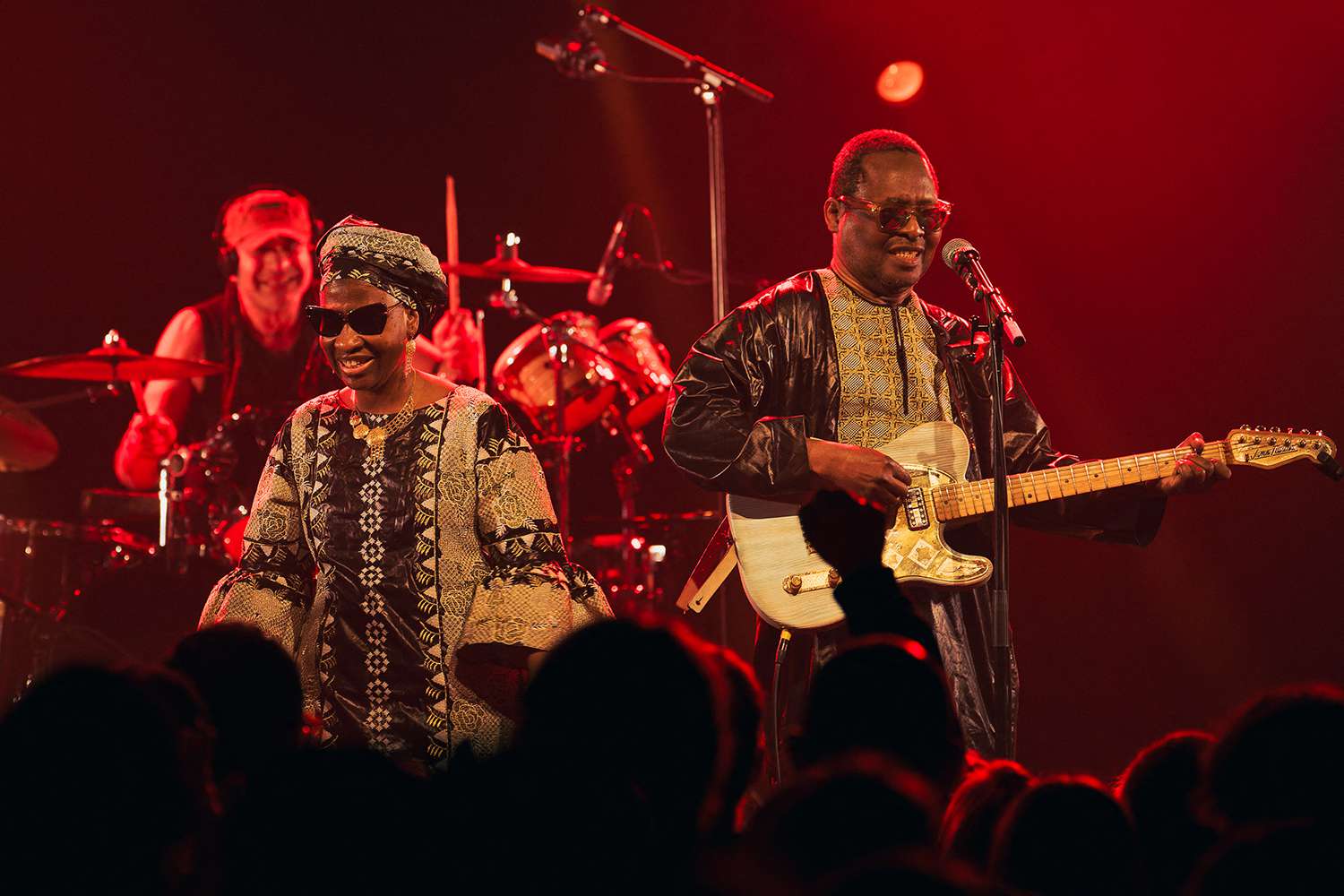
https://d15k2d11r6t6rl.cloudfront.net/pub/bfra/gmivbdbo/yqt/ro2/skx/Amadou-Bagayoko-Mariam-Doumbia-1-040725-a5bc1d2c9268440d8b08ccda200d025f.jpg Logo Malian Music Legend Amadou Bagayoko Passes Away at 70 Amadou Bagayoko, the Grammy-nominated Malian musician renowned for blending traditional West African sounds with Western rock and pop influences as one half of the duo Amadou and Mariam, has died at the age of 70. The Malian Ministry of Culture expressed its sorrow over Bagayoko passing, stating that he was a blind man who left a significant mark on both the Malian and international music scenes.

Bagayoko passed away in Bamako, his birthplace. His stepson, Youssouf Fadiga, revealed that the musician had been ill for some time, though he did not disclose the specific illness. He is survived by his wife, Mariam Doumbia, who is also a musician, and their son, Sam.

Known as “the blind couple from Mali,” Amadou and Mariam became one of Africa’s most beloved musical duos, collaborating with prominent artists such as Damon Albarn and David Gilmour. Born in 1954, Bagayoko lost his sight at the age of 15 due to a congenital cataract. He later studied music at the Institute for the Young Blind (Mali), where he met Mariam. The couple formed their band, Malis Blind Couple, in 1980, initially focusing on raising awareness about the challenges faced by individuals with disabilities. Their unique fusion of traditional African music with rock, blues, and pop garnered them a global audience.

Over their career, they released more than ten award-winning albums, including Dimanche a Bamako, which won France’s Victoire de la Musique in 2005 and a BBC Radio Award for World Music in 2006. Their 2008 album, Welcome to Mali, received a Grammy nomination for Best Contemporary World Music Album.

Bagayoko and Doumbia opened for Coldplay in 2009 and performed at the Nobel Peace Prize concert that year. Manu Chao, who produced Dimanche a Bamako, shared his condolences online, emphasizing their enduring connection. Senegalese artist Youssou N Dour also expressed his heartfelt thoughts for Mariam during this difficult time.
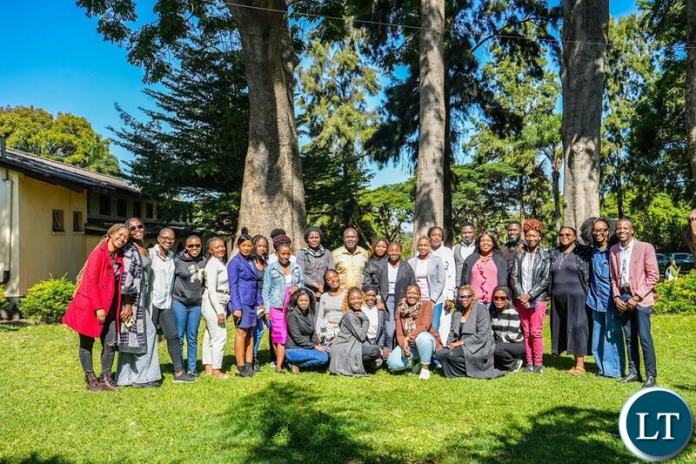
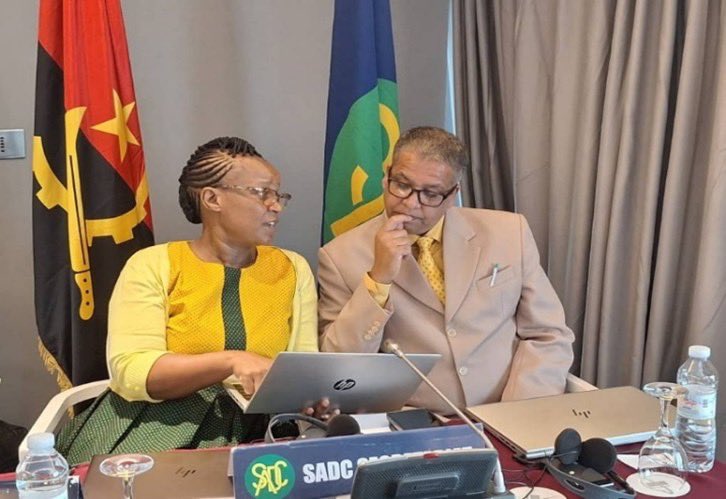
https://pbs.twimg.com/media/Gnc5XllXkAQOtpx?format=jpg&name=large Logo Angolan Ambassador Strengthens Ties with SADC Secretariat Her Excellency Dr. Beatriz de Morais, Angola's Ambassador to Botswana and Representative to SADC, recently paid a courtesy visit to Dr. Judith Kateera, Deputy Executive Secretary for Corporate Affairs at the SADC Secretariat. Their conversation focused on the vital need to strengthen human capacity within the Secretariat, a key driver of regional integration and the successful implementation of the Regional Indicative Strategic Development Plan. Dr. de Morais reaffirmed Angola's commitment as a SADC Member State to supporting the Secretariat by providing skilled and qualified personnel to help achieve its objectives.
https://pbs.twimg.com/media/Gm4yCYNXAAAWDgf?format=jpg&name=large Logo Enhancing Capacity to Prevent Sexual Exploitation in Peacekeeping The Southern African Development Community (SADC), in collaboration with the Malawi Defense Forces, organized a comprehensive 5-day training program from March 10-14, 2025, in Lilongwe, Malawi. The initiative aimed to strengthen pre-deployment preparedness for Malawi’s military, police, corrections officers, and civilian personnel in Peace Support Operations (PSOs). Topics included defining and understanding sexual exploitation and abuse (SEA), implementing preventative measures, ensuring victim support while maintaining confidentiality, and exploring collaborative roles to align with human rights and international standards.

https://pbs.twimg.com/media/GmyGaOLWQAAUEwH?format=jpg&name=medium Logo SADC PROFISHBLUE Project Boosts Fisheries with Refrigerated Trucks for Six SMEs On March 20, 2025, the Southern African Development Community (SADC) Secretariat, through the PROFISHBLUE Project, delivered refrigerated trucks to six SMEs across Madagascar, Malawi, Mozambique, Tanzania, Zambia, and Zimbabwe. The initiative, funded by the African Development Bank and worth over $10 million, aims to reduce post-harvest fish losses, bolster food security, and promote sustainable fisheries in the SADC region.

Among the recipients was Twiyule Fish Farmers’ Cooperative in Malawi, where a handover ceremony was hosted. Officials, including Malawi’s Minister of Natural Resources and Climate Change, Honourable Dr Owen Chomanika, emphasized the trucks' role in improving fish product distribution, creating employment, and reducing poverty.

The project focuses on empowering women and youth, with 93% of beneficiaries being women and 53% youth. Training sessions were provided to enhance SME management in governance, finance, and post-harvest practices. This marks a critical milestone in SADC's commitment to strengthening food systems and supporting fisheries within the blue economy framework.

https://www.sadc.int/sites/default/files/styles/content_image/public/2025-03/PHOTO-2025-03-12-16-49-50.jpg?itok=Bt03HTXw Logo Enhancing Trade Efficiency: SADC and EU Launch Namibia’s Coordinated Border Management Strategy The Southern African Development Community (SADC), with support from the European Union (EU) under the Trade Facilitation Programme (TFP), has launched the Namibia Coordinated Border Management (CBM) Strategy and the Time Release Study (TRS) Report for the Trans Kalahari Border Post. The launch, held in Windhoek, Namibia, on 12-13 March 2025, marks a significant step towards improving trade efficiency and regional integration.

The CBM Strategy and TRS aim to address inefficiencies at Namibia’s borders, including bottlenecks, cumbersome procedures, and infrastructure challenges. By streamlining processes, the initiative seeks to reduce goods clearance times and lower business costs, fostering greater trade within the SADC region and beyond.

The CBM Strategy outlines the establishment of robust implementation structures to oversee the CBM concept, enhance cooperation among border agencies, facilitate bilateral relations with neighboring states, and monitor border-post performance. It also promotes the simplification and harmonization of trade documentation and procedures, improving the predictability and security of control processes while enhancing coordination among border agencies.

Findings from the TRS Report highlight the current clearance times at the Trans Kalahari Border Post: an average of **5 hours and 31 minutes for imports** and **4 hours and 34 minutes for exports**. These insights will help drive improvements in trade facilitation and infrastructure upgrades.

Namibia Revenue Agency (NamRA) Commissioner **Mr. Sam Shivute** emphasized the country’s commitment to regional trade facilitation and compliance with WTO Trade Facilitation Agreement (TFA) obligations. He called for stronger information-sharing mechanisms and continued infrastructure enhancements at border crossings.

**Mr. Alcides Monteiro**, Senior Programme Officer for Customs at the SADC Secretariat, reaffirmed the importance of effective trade facilitation measures to consolidate the SADC Free Trade Area. He noted that implementing TRS recommendations will boost intra-regional trade, attract foreign investment, and support economic growth.

SADC’s Coordinated Border Management Guidelines, approved in 2012, serve as a foundation for implementing the CBM concept across Member States. The initiative aligns with broader continental goals, including the African Continental Free Trade Area (AfCFTA) and the WTO Agreement on Trade Facilitation.

By fostering efficient and coordinated border management, this initiative will enhance trade competitiveness, reduce transaction costs, and strengthen regional integration, further positioning Namibia and the SADC region as key players in global trade.
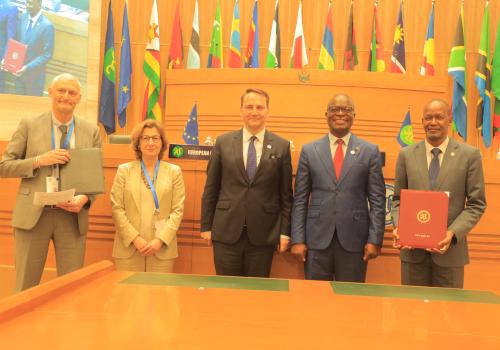
https://www.sadc.int/sites/default/files/styles/content_image/public/2025-03/IMG_9328.JPG?itok=pPZh2jRn Logo Strengthening the SADC-EU Partnership for Sustainable Development The European Union (EU) and the Southern African Development Community (SADC) reaffirm their strong partnership during the SADC-EU Ministerial Dialogue, held within the framework of the Global Gateway. This collaboration is facilitated through the Neighbourhood, Development, and International Cooperation Instrument (NDICI-Global Europe).

Since 2023, both parties have signed eight cooperation agreements totaling EUR 163.9 million under the EU’s 2021-2027 Multiannual Indicative Programme for Sub-Saharan Africa. These agreements support key areas such as peace and security, trade and transport facilitation, natural resource management, agri-food systems, institutional capacity building, and digital transformation across Southern Africa.

The EU and SADC continue to strengthen their strategic alliance, reinforcing SADC’s role in driving sustainable and inclusive economic growth. Through this partnership, both parties remain committed to advancing regional integration and fostering socioeconomic development in the region.
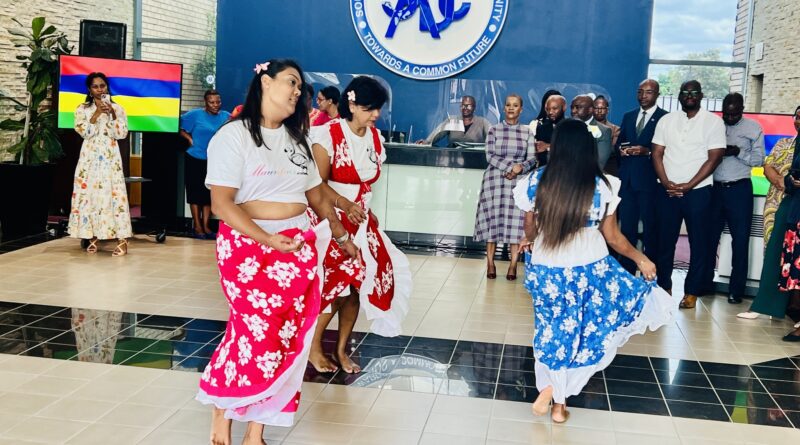
https://efficacynews.africa/wp-content/uploads/2024/03/434139548_802131341938352_7239015331001198321_n-800x445.jpg Logo SADC Secretariat Celebrates Mauritius Independence and Republic Day The Southern African Development Community (SADC) Secretariat proudly commemorated the 56th Independence Day and 32nd Republic Day of Mauritius. This important event marks the liberation of Mauritius from British colonial rule on March 12, 1968, and its transition to a republic in 1992.

The celebration at the SADC Secretariat showcased the rich history and cultural heritage of Mauritius, highlighting the significant contributions of Sir Seewoosagur Ramgoolam, the nation’s first Prime Minister, in guiding the country towards independence.

Mauritius holds a unique position within the SADC family, having become the 12th Member State and the first island nation to join in 1995. This milestone was marked by the signing of accession instruments by then Prime Minister Navinchandra Ramgoolam, reflecting Mauritius’ dedication to regional cooperation and integration.

Globally recognized for its stunning landscapes, including pristine beaches, lagoons, reefs, waterfalls, and rainforests, Mauritius is a premier holiday destination that enchants visitors with its natural beauty and vibrant culture.

In extending heartfelt wishes to the Republic of Mauritius, the SADC Secretariat expressed hopes for lasting peace and prosperity for all Mauritian citizens and future generations.

As Mauritius celebrates its 56th Independence Day and 32nd Republic Day, the SADC Secretariat joins in honoring the achievements and resilience of the Mauritian people.
https://pbs.twimg.com/media/GlMrBYzWMAIpoxq?format=jpg&name=large Logo Angola Joins SADC Free Trade Area, Marking Historic Milestone Angola's integration into the Southern African Development Community (SADC) Free Trade Area (FTA) is set to significantly benefit businesses, investors, and consumers across the region. This move is expected to enhance economic opportunities, reduce trade barriers, and create a more competitive regional market.

Angola will become the 14th member state of the SADC FTA, a notable achievement in regional economic integration. In a statement, the SADC highlighted the historic nature of Angola's accession, calling it the most significant milestone in the past decade.

By joining the FTA, Angola will benefit from the elimination of tariffs and non-tariff barriers, facilitating smoother trade and improved market access for other SADC members. This accession received unanimous support from member states, underscoring the region's commitment to fostering intra-regional trade and economic resilience.

The SADC emphasized that Angola's inclusion will unlock new avenues for industrial development, investment, and cross-border trade, supporting the vision for a more interconnected and economically vibrant Southern Africa.
https://pbs.twimg.com/media/Gk20P0WWgAE4IAb?format=jpg&name=900x900 Logo Angola Joins SADC Free Trade Area, Strengthening Regional Economic Ties Luanda, Angola – Angola has taken a major step toward deeper regional economic integration by finalizing its accession to the Southern African Development Community (SADC) Free Trade Area (FTA). This milestone was achieved during a Trade Negotiating Forum (TNF) held in Luanda from February 17 to 21, 2025, building on discussions from a previous session in October 2024.

The forum was facilitated by the SADC Secretariat with support from the Cooperation for the Enhancement of SADC Regional Economic Integration (CESARE) programme. Funded by the German Federal Ministry for Economic Cooperation and Development (BMZ) and co-financed by the European Union (EU) through GIZ, CESARE aims to promote seamless trade within the region.

With Angola’s accession, the SADC FTA will now include 14 member states, further strengthening the regional market. This development is expected to create significant economic opportunities by eliminating trade barriers, reducing tariffs, and fostering smoother cross-border commerce. Angola will gain improved access to regional markets, while other SADC nations will benefit from greater trade opportunities within Angola, stimulating economic growth across the region.

During his opening address, Mr. Dhunraj Kassee, Director of the Industrial Development and Trade Directorate (IDT) at the SADC Secretariat, highlighted the strategic importance of Angola’s inclusion in the FTA. He emphasized that the agreement will boost economic growth, expand consumer choices, attract investment, and generate employment—aligning with the SADC Treaty’s broader goals of poverty reduction and enhanced living standards.

Mr. Kassee expressed confidence that Angola’s accession will be officially endorsed in the upcoming TNF and Committee of Ministers of Trade (CMT) meetings scheduled for May and June 2025. These approvals will pave the way for full ratification and implementation, marking a new era of regional economic collaboration.
https://www.sanews.gov.za/sites/default/files/2012/images/news_story_template/202502/media.jpg Logo Call for Entries: 2025 SADC Media Awards Competition South African journalists and media professionals are invited to submit their entries for the 2025 SADC Media Awards competition.

Open to journalists from Southern African Development Community (SADC) Member States, the awards were established in 1996 to recognize outstanding media contributions in promoting regional cooperation and integration.

The competition honors excellence in journalism across print, photo, television, and radio, encouraging media practitioners to highlight key issues affecting the region.

First prize winners will be awarded their prizes and certificates during the SADC Summit of Heads of State and Government in August 2025. The first prize in each category is US$2,500, while runners-up will receive US$1,000.
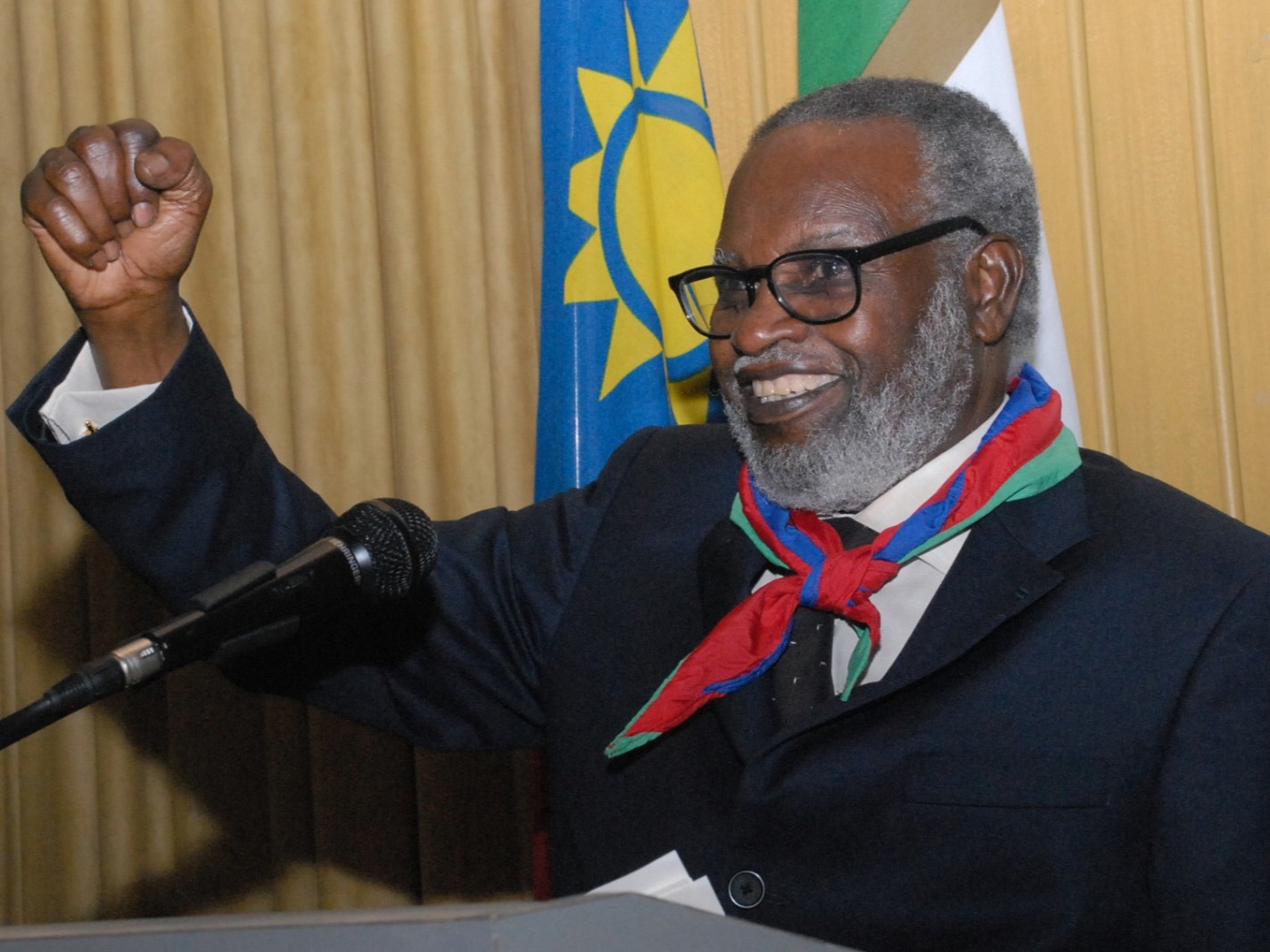
https://d15k2d11r6t6rl.cloudfront.net/pub/bfra/gmivbdbo/4eo/l9c/yix/SAM-NUJOMA-FROM-TABBY.jpeg Logo Tributes Flow for Namibias Founding President, Dr. Sam Nujoma Tributes are pouring in following the death of Dr. Sam Shafiishuna Nujoma, the founding president of Namibia, who passed away at the age of 95 in Windhoek after a short illness. Namibian President Dr. Nangolo Mbumba announced on Sunday that Nujoma had been hospitalized for medical treatment and observation, although he did not disclose the specific illness. Nujoma died just before midnight on February 8.

In his announcement, President Mbumba expressed that the foundations of the Republic of Namibia have been shaken by the loss of their founding father. He reflected on Nujoma's long and impactful life, highlighting his exceptional service to the Namibian people. Mbumba noted that Nujoma heroically led the nation during the darkest hours of the liberation struggle, culminating in Namibia's independence on March 21, 1990. He emphasized that Nujoma provided maximum leadership and inspired citizens to build a proud nation.

Mbumba called on the nation to find comfort in Nujoma's unmatched leadership and extraordinary contributions to the liberation struggle. He expressed gratitude to the medical staff who cared for Nujoma and thanked Namibians and friends of Namibia for their messages and prayers during this difficult time.

Condolences have streamed in from across the continent. Moussa Faki Mahamat, the chairperson of the African Union Commission, celebrated Nujoma as an African liberation icon and a revolutionary leader. He described Nujoma as a figure of courage who remained steadfast in his vision for a free Namibia and a unified Africa, extending heartfelt condolences to Nujoma's family and the Namibian people.

Kenyan President William Ruto also expressed solidarity with Namibia, describing Nujoma as a selfless and visionary leader dedicated to the liberation and development of his country. A period of national mourning will be announced, and funeral arrangements will be made public soon.
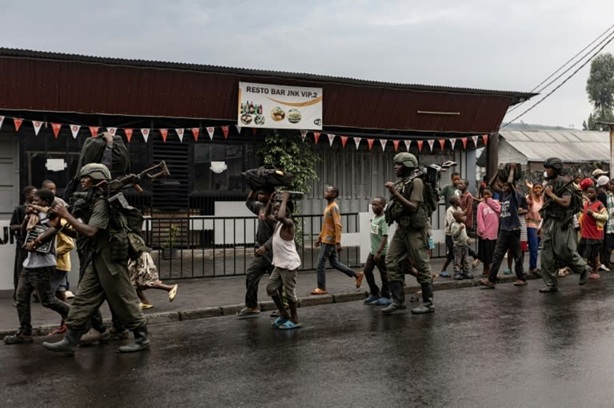
https://d15k2d11r6t6rl.cloudfront.net/pub/bfra/gmivbdbo/26z/34r/n43/DRC%20food%20crisis.jpg Logo Food Prices Surge in Goma Following M23 Takeover In Goma, a city in the Democratic Republic of the Congo, food prices have dramatically increased after the M23 rebel group took control of the area. According to local residents, the cost of basic food items has skyrocketed, making it increasingly difficult for families to afford necessities. The situation has been exacerbated by ongoing conflict and instability, which have disrupted supply chains.

According to market vendors, the price of staple foods such as maize flour and beans has risen significantly, with some items seeing increases of up to 50%. This surge in prices is attributed to the insecurity that has led to shortages and limited access to markets. Many families are now struggling to meet their daily needs, and reports indicate that some are resorting to skipping meals.

The humanitarian situation in Goma is dire, with many people displaced by the violence. According to humanitarian organizations, the number of internally displaced persons has surged, further straining resources in the region. The influx of displaced individuals has put additional pressure on local markets, driving prices even higher.

According to analysts, the international community must respond to this crisis by providing humanitarian aid and support to stabilize the region. Immediate assistance is needed to address food insecurity and help those affected by the conflict. Additionally, a long-term strategy is essential to restore peace and rebuild the local economy.
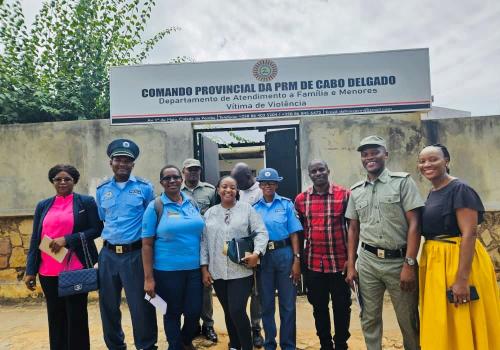
https://d15k2d11r6t6rl.cloudfront.net/pub/bfra/gmivbdbo/ctt/mwy/kz7/cHAPO.webp Logo Urgent Action Needed to Prevent Mozambiques Decline The Southern African Development Community (SADC) faces a critical moment regarding Mozambique's stability. The country is grappling with escalating violence, particularly in the Cabo Delgado province, where an insurgency has led to significant loss of life and displacement. The humanitarian crisis is deepening, with over a million people forced to flee their homes, and many lacking access to basic necessities.

According to experts, the SADC must take decisive action to address the situation. The insurgency, which began in 2017, has been fueled by a combination of local grievances, poverty, and external influences. The region's response has been slow, and the lack of a coordinated strategy has allowed the violence to escalate. The SADC's recent deployment of troops to Mozambique is a step in the right direction, but it requires a comprehensive approach that includes political, economic, and social solutions.

The international community also has a role to play. According to analysts, increased support for Mozambique's government is essential to strengthen its capacity to combat the insurgency. This includes not only military assistance but also investment in development projects that address the root causes of unrest, such as poverty and unemployment.
https://www.sadc.int/sites/default/files/styles/content_image/public/2024-11/P1.jpg?itok=pGWn3CoQ Logo SADC Ministers Urged to Strengthen Disaster Risk Management At the Committee of Ministers Responsible for Disaster Risk Management meeting in Victoria Falls on 27 November 2024, Zimbabwe's Vice President, Hon. General (Retd) Dr. C. D. G. N. Chiwenga, emphasized the need for robust early warning systems, coordination, and resilience-building.

He called for accelerated implementation of the Sendai Framework for Disaster Risk Reduction (20152030) to mitigate risks and ensure timely disaster impact reporting for effective response.

Hon. Daniel Garwe, Zimbabwe's Minister of Local Government, highlighted the increasing frequency and severity of disasters in the SADC region, urging stronger regional collaboration and capacity-building to address these challenges.


https://www.thezimbabwemail.com/wp-content/uploads/2024/07/Tanzanias-President-Samia-Suluhu-Hassan-678x381.png Logo SADC Appeals for Peace and Stability in Mozambique Following 2024 General Elections
The Southern African Development Community (SADC) has issued a strong call for peace and restraint in Mozambique following the general elections held on October 9, 2024. Voters participated in Presidential, Legislative, and Provincial polls, which were conducted largely in accordance with the constitution and in a peaceful manner. However, concerns have risen after the deaths of two political figures, raising fears of potential unrest.

Dr. Samia Suluhu Hassan, President of Tanzania and Chairperson of the SADC Organ on Politics, Defence, and Security Cooperation, addressed the situation, noting the tragic deaths of Mr. Paulo Guambe, a representative of the PODEMOS political party, and Mr. Elvino Dias, a lawyer for the same party, on October 19, 2024. Investigations are ongoing, and Dr. Hassan has called for patience and calm during this sensitive period.

"We urge all stakeholders to exercise restraint whilst relevant authorities carry out investigations," Dr. Hassan emphasized, highlighting the need for peace to prevent tensions from escalating.

While the elections were a milestone for Mozambique, the post-election period has become tense due to these deaths. SADC urged all parties to ensure peace and stability continue, particularly as the Electoral Management Bodies and other institutions work toward finalizing and announcing the official results in the coming days.

Dr. Hassan reaffirmed, “The elections in the Republic of Mozambique took place in a peaceful manner. It is this spirit that SADC urges all stakeholders to uphold in the period before and after the official announcement of the election results.”

SADC’s involvement underscores the regional commitment to supporting democratic transitions and ensuring security. The organization's close monitoring aims to prevent a repeat of the violent political transitions seen elsewhere in southern Africa.

With the political future of Mozambique at stake, SADC’s message is clear: peace and cooperation are the keys to a stable and democratic future. The region and the world watch closely as Mozambique navigates this critical moment guided by the rule of law.


https://images.supersport.com/media/skibtl22/thabo-senong-24-10-g-1200.jpg?width=828&quality=90&format=webp Logo Thabo Senong Appointed FIFA Talent Coach for Malawi’s Luwinga Inclusive Academy Former South Africa under-20 football team coach, Thabo Senong, has been appointed as the FIFA talent coach for the Luwinga Inclusive Academy in Malawi on a two-year contract. His appointment was announced by Football Association of Malawi (FAM) president Fleetwood Haiya during a press conference in Mzuzu.

Haiya, who has been leading FAM since December, expressed optimism that Senong’s expertise would help revolutionize Malawian football, aligning with his vision of enhancing youth development and promoting local talent. The Luwinga Inclusive Academy, funded by FIFA, supports 42 under-14 boys and girls by providing education, accommodation, and football training.

Senong, who previously coached Lesotho’s national team and South Africa’s Sekhukhune United, emphasized the importance of nurturing young talent in a safe environment and fostering both their football skills and character. He praised FIFA for its support and looks forward to working with Malawian coaches to improve the country’s footballing future.

Senong’s appointment is part of FIFA’s Talent Development Scheme, led by Arsène Wenger, aimed at fostering young football talent globally.
https://lestimes.com/wp-content/uploads/2024/10/LAA-Director-of-Corporate-Services%E2%80%AFTankiso-Sephoso-1-1170x718.jpg?v=1728973185 Logo Berea Man Files High Court Petition Over Seized M1.2 Million Moorosi Tsiane, a resident of Berea, has filed a petition with the High Court, seeking an order for the return of M1.2 million. He claims the money was confiscated by subordinates of Police Commissioner Borotho Matsoso and army chief, Lieutenant General Mojalefa Letsoela, during an incident in Leribe, Ha Kanetsi, in July. Tsiane argues that the seizure was unlawful and is demanding the funds be returned. The case now awaits a decision from the court.
https://d4f7y6nbupj5z.cloudfront.net/wp-content/uploads/2024/10/WhatsApp-Image-2024-10-14-at-11.44.07-AM-1536x1024.jpeg Logo SADC PF Secretary General Boemo Sekgoma Calls for Inclusive Policies to Empower Girls and Women in Africa

Boemo Sekgoma, Secretary General of the SADC Parliamentary Forum (PF), has called for the creation of inclusive policies that uplift girls and women across Africa. She condemned harmful practices such as child marriage, betrothals, and female genital mutilation, emphasizing their detrimental impact on the development of girls on the continent.

“These practices are abhorrent to democracy and must be eradicated if we are to see any real progress,” Sekgoma stated, reinforcing the need for decisive action.

She reaffirmed the SADC PF’s commitment to advancing key legal frameworks, including the SADC Model Law on Eradicating Child Marriage and Protecting Children Already in Marriage, the Model Law on Gender-Based Violence, and the Model Law on Public Financial Management. Sekgoma stressed that protecting girls is not optional, but essential.

In alignment with the International Day of the Girl Child on October 11, she urged member parliaments and governments to ensure that girls' voices are included in decision-making processes. “It is imperative that girls in Africa are not only heard but are active planners and visionaries of their own futures,” she added.
https://d4f7y6nbupj5z.cloudfront.net/wp-content/uploads/2024/10/ffddd.jpg Logo High-Stakes Semi-Finals Set for CVA League Cup Showdown In the men’s competition, Afrocat C and CVA League champions NamPower have advanced to the semi-finals, while NDF Phoenix and Unam Queens have secured spots in the women’s semi-finals. However, only one CVA men’s team can reach the final, as Afrocat C and NamPower will face off again in a highly anticipated rematch of the CVA League final.

NamPower, who had already claimed the league title before their last encounter, sealed their season by defeating Afrocat. This time, with both teams eyeing a coveted spot in the cup final, the stakes are even higher.

The semi-final clashes will take place at the MTC Dome in Swakopmund on November 2.

Afrocat head coach, Ishitile Aloysius, expressed pride in his team's performance, having gone undefeated in the first round. "I’m very proud as a coach, and I think the management and fans of Afrocat are equally proud," he shared. Looking ahead to the rematch, he added, "I’m not afraid of NamPower; we have an opportunity now. I have a whole month to prepare my boys. It will be a tough game, and whichever team wins will have worked extra hard."

In the women’s semi-finals, the CVA teams won’t face each other. Unam Queens will go head-to-head with the Zambezi Vixens, while league winners NDF Phoenix will battle Nakapale from the Far North League.

CVA chairperson, Veronica Sampapi, was not surprised that four of their league teams reached the semi-finals, crediting it to strong coaching. "I expected it. We have very experienced coaches working with these players, which gives us an edge," she remarked.
https://ichef.bbci.co.uk/news/800/cpsprodpb/6e24/live/44cd20a0-808e-11ef-83dd-fbf1b9732cf0.jpg.webp Logo Zambia Faces Severe Power Outages Amid Drought-Induced Crisis Despite the presence of the vast Zambezi River and the massive hydro-powered Kariba Dam, Zambia is experiencing some of the worst electricity blackouts in its history. In many parts of the country, towns and cities are facing power cuts that last up to three consecutive days, with residents considering themselves fortunate if electricity is available for even an hour or two.

This energy crisis has been a harsh reality check for the 43% of Zambians connected to the national grid, many of whom have taken reliable electricity for granted. The situation is a result of one of the worst droughts in decades, exacerbated by the El Niño weather phenomenon, which has crippled Zambia’s power generation.

In urban areas, some people frequent bars and restaurants not to eat or drink, but simply to charge their phones amidst the constant hum of generators. A new informal economy has also emerged, with individuals making money by charging phones for those without electricity at home.

Zambia’s dependence on hydroelectricity is stark, with up to 84% of its energy coming from water sources like lakes and rivers. Only 13% of the country’s power is generated from coal, and even smaller contributions come from solar, diesel, and heavy fuel oil, making up just 3% of the energy mix.


https://image-prod.iol.co.za/16x9/800/The-National-Skills-Fund-s-annual-report-showed-that-the-entity-underspent-its-budget-by-R3-billion-during-20223-24-financial-year-Picture-Thobile-Mathonsi-Independent-Newspapers?source=https://iol-prod.appspot.com/image/7b9f0dd40b4f528a1f42d8ac0036c07dcacf3953/2000&operation=CROP&offset=2x0&resize=1996x1123&webp=true Logo Concerns Over Skills Development Funding and NSF Underspending “I was unable to confirm the accuracy of the skills development funding through alternative means,” Maluleke stated.

“As a result, I could not determine whether any adjustments were necessary for the disclosed skills development funding of R1,784,654,000 (2022-23: R1,182,657,000) in note 20, or the related deferred expenditure of R1,370,063,000 (2022-23: R1,221,194,000) in note 9 of the financial statements,” she added.

Additionally, the institution's report, tabled in Parliament this week, revealed that the NSF underspent by R3 billion during the period under review.


https://cdn.thestandard.co.zw/images/newsday/uploads/2024/10/yIYnu9Yt0bbzy2HGQxlzaGJEjx6R0wa0PF1IxGx2.jpg Logo Momentum Health Scheme Maintains Affordable Rates for 10th Consecutive Year Rainbow Tourism Group Limited (RTG) is expecting a bustling second half of the year, thanks to a robust rebound in international tourism. The group experienced high demand during the seventh SADC Industrialisation Week and the 44th Ordinary SADC Summit in Harare this August, achieving full occupancy at its flagship Rainbow Towers Hotel and Harare International Conference Centre (HICC), which hosted the events and accommodated regional delegations.

Building on a 116% revenue increase in the first half of 2024, reaching US$18.03 million compared to the same period last year, RTG is optimistic about continued growth. RTG Chairperson Douglas Hoto highlighted the industry’s typical recovery in the latter half of the year, expecting the resurgence in international tourism to surpass post-pandemic records.


https://www.sadc.int/sites/default/files/2024-09/HOM3.jpg Logo Dr. Amani Abeid Karume Arrives in Mozambique to Lead SADC Electoral Observation Mission H.E. Dr. Amani Abeid Karume, former President of Zanzibar, has arrived in Maputo, Mozambique, to begin his role as Head of Mission (HoM) for the SADC Electoral Observation Mission (SEOM) in advance of the upcoming National, Legislative, and Provincial Elections scheduled for October 9, 2024.

Dr. Karume was appointed by Her Excellency Dr. Samia Suluhu Hassan, President of the United Republic of Tanzania and Chairperson of the SADC Organ on Politics, Defence, and Security Cooperation. The Chairperson has also tasked the SADC Secretariat with coordinating the SEOM, including the deployment of observers in accordance with Article 3 of the revised SADC Principles and Guidelines Governing Democratic Elections (2021), which mandates SADC to observe all General Elections within its member states.

The official launch of the SEOM in Mozambique is set for October 3, 2024, at 11:00 AM at Hotel Avenida in Maputo.

Prior to the launch, the SEOM HoM will make a courtesy visit to the Ministry of Foreign Affairs and Cooperation of Mozambique. He is also scheduled to meet with leaders from the National Electoral Commission (CNE), the Technical Secretariat for Electoral Administration (STAE), and the SADC Ambassadors and High Commissioners accredited to Mozambique. Additionally, between October 1 and October 10, Dr. Karume will engage with various electoral stakeholders and observe the election process on polling day.


https://mwnation.com/wp-content/uploads/2024/09/LaNina_map_final4.jpg Logo Africa Trade Competitiveness and Market Access Programme (ATCMAP) � SADC Component Joint Scoping Mission Malawi is anticipated to face severe weather conditions during the 2024/25 rainy season, according to the Southern Africa Regional Climate Outlook Forum (Sarcof). The forecast aligns with predictions from the Department of Climate Change and Meteorological Services and the United Nations Office for the Coordination of Humanitarian Affairs (OCHA), which indicate that Malawi will experience above-average rainfall and potential flooding due to La Nia weather patterns.

A statement from the Sadc Secretariat following the 29th Sarcof virtual meeting, held from August 26 to 28, notes that most areas in the Sadc region are expected to receive normal to above-normal rainfall starting in October this year.

Sarcof's projection highlights that from December 2024 to February 2025, Malawi, along with other Sadc countries including Botswana, eSwatini, Namibia, Lesotho, Mozambique, South Africa, Zambia, Zimbabwe, and Angola, will experience normal to above-normal rainfall.

The statement also mentions, "The period from October to March is crucial for this outlook for Southern Africa. The temperature forecast for October 2024 to January 2025 indicates a high likelihood of above-normal temperatures across most of the region."

Last week, the National Water Resource Authority (NWRA) reported that water levels in Lake Malawi are expected to be higher during the 2024/25 hydrological year compared to the previous season, raising concerns about potential disasters in certain areas.

As of August 26, the water level in Lake Malawi was recorded at 475.70 meters above sea level (masl), 42 centimeters higher than the previous year's level of 475.28 masl on the same date.

In response, the Department of Disaster Management Affairs (Dodma) is preparing for the impacts of the La Nia weather conditions, especially in disaster-prone regions. Spokesperson Chipiliro Khamula announced plans to construct two dykes along the North Rukuru River in Karonga and the Milole River on the Shire River East Bank, which borders Chikwawa and Nsanje districts.
https://img.bulawayo24.com/articles/Winpeg-Moyo.jpg Logo Africa Trade Competitiveness and Market Access Programme (ATCMAP) � SADC Component Joint Scoping Mission Ambassador Winpeg Moyo of Zimbabwe, who serves as her country's representative to Kenya, Uganda, and Somalia, has been named the new Chairperson of the Southern African Development Community (SADC) Nairobi Chapter. The announcement was made during a ceremony held at the Embassy of Angola in Kenya.

Ambassador Moyo succeeds Angola's former Ambassador to Kenya, Sianga Abilio.

In her address at the event, Ambassador Moyo emphasized the strength and unity of the SADC region in safeguarding its sovereignty.

"SADC member countries have demonstrated exceptional solidarity in defending each other against sanctions and garnering global support for our regional initiatives," she stated.

She expressed appreciation for SADCs role in advocating for the lifting of sanctions on Zimbabwe and stressed the regions dedication to addressing conflict hotspots.

"Through our collective efforts, we strive to restore peace in troubled areas and advance the vision of a united, prosperous, and resilient Southern Africa," she declared.

Ambassador Moyo also highlighted the importance of collaboration with other nations.

"The SADC Nairobi Chapter will continue to forge strong partnerships with the Government of Kenya, focusing on mutually beneficial programs and initiatives," she concluded.
https://pbs.twimg.com/media/GWpWFyvXQAAbD4P?format=jpg&name=large Logo Africa Trade Competitiveness and Market Access Programme (ATCMAP) � SADC Component Joint Scoping Mission The Joint Scoping Mission of the Africa Trade Competitiveness and Market Access Programme (ATCMAP) SADC Component is being held in Gaborone, Botswana, from September 4-6, 2024. Funded by the European Union, this initiative aims to support SADC member states in leveraging trade opportunities by ensuring compliance with international standards, addressing market access barriers, and enhancing the export potential of MSMEs.

Focus Areas:
Regional Trade Enhancement: Promoting intra-regional trade by aligning policies and fostering collaboration among SADC member states.
Capacity Building: Offering training and resources to boost trade-related capabilities within the region.
Market Access Improvements: Identifying and addressing both tariff and non-tariff barriers to facilitate access to regional and international markets.
Objectives of the Joint Scoping Mission:
Assess Trade Barriers: Evaluate existing barriers within the SADC region.
Foster Collaboration: Strengthen partnerships to improve trade competitiveness and market access.
Strategize Action: Develop a roadmap for effective trade policy implementation.
SADC ClimSA Programme Hosts SARCOF-29 and SADC Meteorology Meeting in Harare, Zimbabwe SADC ClimSA Programme Hosts SARCOF-29 and SADC Meteorology Meeting in Harare, Zimbabwe The Secretariat of the Southern African Development Community (SADC), supported by the European Union through the Intra-ACP Climate Services and related Application (ClimSA) Programme, is organizing two significant events in Harare, Zimbabwe: the 29th Southern Africa Regional Climate Outlook Forum (SARCOF-29) from August 26th to 28th, 2024, followed by the SADC Sub-sectoral Committee Meeting (SCOM) on Meteorology on August 29th and 30th, 2024.

These meetings are key components of the Global Framework for Climate Services (GFCS) in the SADC region, aimed at enhancing the development and use of climate services to better address climate-related risks at various levels. This year's discussions are particularly relevant as the region faces challenges related to the El Nio-induced drought and floods, alongside other climate-related issues such as low rainfall and increased occurrences of floods, cyclones, and droughts.

Aligned with the SADC Regional Indicative Strategic Development Plan (RISDP) 20202030, which promotes the integration of environmental considerations into socio-economic development, the meetings will focus on strategies to promote sustainable environmental management and combat poverty and food insecurity through improved climate services.

SARCOF-29, held biannually, will analyze climate variability patterns, review the past season, and provide an outlook for the upcoming rainfall season. The forum will gather climate service providers and stakeholders from various sectors, including Water, Energy, Agriculture, Health, and Disaster Risk Reduction, to co-develop an early warning advisory for the region under the theme: "At the Frontline of Climate Action Towards Improved Climate Services in the SADC Region."

The SCOM meeting on Meteorology will focus on reviewing and strengthening regional meteorological systems, policy frameworks, and the implementation of the SADC Protocol on Transport, Communications, and Meteorology.

Preceding these events, a Climate Experts Meeting (CEM) is being held from August 19th to 25th, 2024, aimed at enhancing the forecasting capacity of climate experts from the National Meteorological and Hydrological Services (NMHSs) within the SADC region.
https://issafrica.s3.amazonaws.com/site/images/banners/1724317807380-2024-08-22-iss-today-kenya-protests-banner.jpeg Logo Protests Signal Growing Demand for Accountability Over Coups in Africa Recent protests across Africa highlight a critical shift: citizens are increasingly demanding accountability from their leaders instead of relying on coups to address governmental failures. Despite decades of democratic governance, many African nations have yet to experience the full benefits of democracy, with accountability largely absent from the political landscape.

In countries like Equatorial Guinea, Cameroon, Eritrea, and Uganda, leaders have manipulated their constitutions to extend their tenure, making it nearly impossible to remove them through legitimate means, regardless of their performance in office.

For most African citizens, the next election is often the only opportunity to hold their leaders accountable. However, the integrity of these elections is frequently compromised, with electoral processes rigged to ensure victory for the incumbent, rather than truly reflecting the will of the people.
https://www.africa.com/wp-content/uploads/2024/08/1-12-1024x672.jpg Logo SADC Summit in Harare Criticized for Overlooking Political Repression The recent Southern African Development Community (SADC) summit in Harare is likely to be perceived as promoting political repression rather than advancing democracy, particularly in Zimbabwe. During the summit, the ruling Zanu-PF government harshly suppressed political opponents to prevent protests. Similar actions were seen in Tanzania last week, where authorities detained members of the main opposition party, Chadema, ahead of their planned International Youth Day rally on August 12.

Despite democracy and human rights being core principles of the SADC Treaty, leaders at the summit did not confront Zimbabwes President Emmerson Mnangagwa over the repression in his country. Additionally, the summit failed to address the democratic shortcomings in Eswatini, where King Mswati III has delayed initiating a national dialogue following violent protests in 2021. The summits silence on these issues is likely to reinforce the impression that it supports political repression.


https://www.aljazeera.com/wp-content/uploads/2024/08/2024-06-18T203423Z_1961975558_RC2JD8AA84ZD_RTRMADP_3_ZIMBABWE-POLITICS-1723734814.jpg?resize=770%2C513&quality=80 Logo Attempted Break-In at Crisis in Zimbabwe Coalition Offices Raises Security Concerns On the morning of August 7, four masked men attempted to break into the offices of Crisis in Zimbabwe Coalition (CiZC), an organization advocating for democratic freedom in a nation where dissent can be deadly.

Inside the Harare office, three staff members scrambled to hide as the intruders destroyed a security camera outside the gate and tried to force entry. The staff only emerged from hiding after neighbors, who witnessed the incident, assured them that the men had fled after triggering an alarm. Since the attempted break-in, staff members have been avoiding the office out of fear for their safety.
https://lh3.googleusercontent.com/IUarH1aDvn_z9ZmxzTFLxktBGrX7RAT0HZehqGRRUpFuRnoNUAiWCuHuPUqwRLo4Ij5HldeYN_t9zkx98NViQQm4dZilXrtShdb1N4OXtSL_yg=s750 Logo South Africa Backs Zimbabwe Hosting SADC Summit Amid Human Rights Concerns South Africa has supported Zimbabwes hosting of the Southern African Development Community (SADC) annual summit in Harare this week, despite reports of numerous arrests and human rights violations leading up to the event. South Africa, which will join 15 other countries at the summit, stated that it lacks the authority to request a change in the events location, as Zimbabwes president, Emmerson Mnangagwa, currently holds the chairmanship.
https://www.sadc.int/sites/default/files/2024-08/Group%20Photo-%20Senior%20Officials%201.jpg Logo SADC Summit in Harare: Traffic Disruptions and Security Measures Expected The Southern African Development Community (SADC) will hold its annual summit, including a Heads of State meeting, in Harare from August 13-17. Leaders from 15 SADC member countriesAngola, Botswana, Comoros, DRC, Eswatini, Lesotho, Madagascar, Malawi, Mauritius, Mozambique, Namibia, Seychelles, South Africa, Tanzania, and Zambiaare expected to attend.

The summit and associated meetings will take place at the New Parliament Building, Harare International Conference Centre, and University of Zimbabwe campus. Attendees should anticipate localized traffic disruptions and movement restrictions near these venues.

Authorities are likely to establish a safety zone around Robert Gabriel Mugabe International Airport (HRE), central hotels, and key government institutions. Heightened security measures, including checkpoints and identity and vehicle checks, are expected throughout Harare. There may also be nationwide protests and counter-protests, especially in major urban areas, with potential clashes and arrests. Officials could implement additional measures such as temporary curfews, internet shutdowns, or entry and exit restrictions to manage unrest.
https://www.chronicle.co.zw/wp-content/uploads/sites/3/2024/08/9iol9.jpg Logo SMEs Hail Success of 7th SADC Industrialisation Week Small and medium enterprises (SMEs) have praised the recently held 7th Southern African Development Community (SADC) Industrialisation Week (SIW) as a transformative event, allowing them to showcase their products and services on a larger platform.

SMEs exhibiting under the ZimTrade banner reported valuable networking opportunities with various countries in the region. The SADC Industrialisation Week aims to foster intra-African trade, develop cross-border value chains, and identify investment opportunities through public-private partnerships.

ZimTrades post on X highlighted that the first day of SIW attracted numerous visitors who admired the SMEs offerings. Around 20 SMEs from different sectors participated under the ZimTrade banner. One exhibitor, an ISO-certified company and one of Zimbabwes few Civil Aviation Authority of Zimbabwe licensed drone operators, described SIW as a game changer. They emphasized how the event showcased their key services and efforts to improve agricultural capacity and standardize operations within the region.
https://cdn.24.co.za/files/Cms/General/d/11718/53279fe5cb884954af987dc6359e3939.jpg Logo Zimbabwe Government Accuses Foreign Diplomat and Activists of Destabilization Efforts Ahead of SADC Summit The Zimbabwean government is accusing an unnamed foreign diplomat, religious leaders, civil society, and opposition activists of attempting to make the country ungovernable ahead of the Southern African Development Community (SADC) summit on 17 August. Information, Publicity and Broadcasting Services Minister Jenfan Muswere vowed that "the full might of the law will be deployed" in response.

Former Citizens Coalition legislator Prince Dubeko Sibanda has openly called on Zimbabweans to rise up during the SADC gathering. He is advocating for SADC to discuss the disputed August 2023 elections, which the regional bloc labeled as flawed.

Muswere stated that the government is aware of those behind the plots. "We are fully aware of futile machinations by failed opposition elements and archbishops of anarchy and despondency, who are disguising themselves as members of the clergy and working together with some rogue student activists," he said.

On Wednesday, four civil society activists were forcibly removed from a domestic flight at Robert Mugabe International Airport and held incommunicado for eight hours by state security agents. The detainees included Namatai Kwekweza, a recipient of the Kofi Annan NextGen Democracy Prize, Robson Chere of the Amalgamated Rural Teachers Union of Zimbabwe, opposition councillor Samuel Gwenzi, and Vusumuzi Moyo. They were accused of participating in a demonstration earlier.
https://cdn.thestandard.co.zw/images/theindependent/uploads/2024/08/YSh5Do1kfVeTIJCFAyXy5yXLoNwygy655IbzivCa.jpg Logo Zimbabwe Prepares to Join SADC Regional Payments System Zimbabwe has begun preparations to join a regional payments system being developed by the Southern African Development Community (SADC) as part of broader regional integration efforts, according to a member of the Reserve Bank of Zimbabwe (RBZ)'s Monetary Policy Committee (MPC).

This week, Zimbabwe hosted the 7th SADC Industrialisation Week, an event aimed at promoting the region's industrialisation strategy. Under the plan, member states intend to facilitate seamless transactions across borders.

"Afreximbank (African Export-Import Bank) has already developed a payment platform to take care of payments within the regions, and we have several regions that have adopted this so far," said MPC member Persistence Gwanyanya at a breakfast meeting during the SADC Industrialisation Week. "This payment platform will enable countries within the regions to conduct cross-border payments in local currencies just like other regional economies. This is why, even here in Zimbabwe, we are focused on the functionality of our own local currency, which is ZiG (Zimbabwe Gold)."
Zimbabwe Ensures Uninterrupted Power for SADC Summit Amid National Power Struggles Logo Paris Olympics Highlight Questionable Therapies and Treatments The Zimbabwean government has directed Zesa Holdings to avoid load-shedding at the venues hosting the Southern African Development Community (SADC) summit to prevent any potential embarrassment during the event.

Currently, Zimbabwe is grappling with severe power outages, with some regions experiencing prolonged blackouts due to outdated power stations, an El Nio-induced drought, and various other challenges in the investment-starved southern African nation.

In a letter addressed to Zesa's executive chairperson Sydney Gata, Energy and Power Development Secretary Gloria Magombo instructed the power utility to maintain continuous power supply to the New Parliament Building, Harare International Conference Centre, and the University of Zimbabwe throughout the summit.

"Zimbabwe will be hosting the 44th SADC Summit of Heads of State and Government on August 17 under the theme: Promoting Innovation to Unlock Opportunities for Sustained Economic Growth and Development Towards an Industrialised SADC. Several meetings shall precede the summit. The ministry is, therefore, requesting Zesa, through ZETDC [Zimbabwe Electricity Transmission and Distribution Company], to ensure uninterrupted power at venues during the SADC summit period," part of the letter stated.

The government has invested millions of US dollars in preparing for the two-day SADC summit, even as the nation faces a devastating drought that has left over half of its approximately 16 million citizens facing starvation.
https://cdn.thestandard.co.zw/images/newsday/uploads/2024/07/JZXKjOCCcZwXlKC2iatMzaFKxpsWWnVd3u5b8jq7.gif Logo Paris Olympics Highlight Questionable Therapies and Treatments OUTGOING Sadc Business Council chairperson Vincente Soares made a rallying cry yesterday, urging regional leaders to unite and drive transformative industrialisation across the region.

“We are a global region that has given us everything we need, an abundant resource, a good climate and lots of youth,” Soares told delegates at the 7th Sadc Industrialisation Week in Harare yesterday.


Advertisements
“Now it is time for us to roll up our sleeves and implement our strategy and transform our region in an organised way. Let me emphasise this point.

“There is no development without industrialisation and there is no industrialisation without the active role of the private sector.”

Soares said there was a need for constructive, well-organised and inclusive dialogue between the public and the private sectors.

He said tariff barriers continued to hinder the free flow of goods and services in the region thus the need to work closely with governments to identify and eliminate these barriers.


"Sadc and the Sadc Business Council signed the memorandum of understanding (MoU) aimed at strengthening private sector collaboration, participation and partnership in the promotion of industrialisation, investment, regional and international trade and the contribution to the economic and social development of member States.

The MoU seeks to promote co-operation in trade and trade facilitation, finance and investment, industrial development, micro, small and medium enterprises development, sustainable development and other service sectors to support the development of industry and human capital.
https://sf.ezoiccdn.com/ezoimgfmt/iharare.com/wp-content/uploads/2024/07/MixCollage-29-Jul-2024-10-42-PM-2823-750x375.webp?ezimgfmt=rs%3Adevice%2Frscb1-1 Logo Road Closures in Harare for SADC Summit Preparations Motorists traveling from Dzivarasekwa, Mabelreign, Tynwald, and nearby areas should expect delays on Kirkman Road as the government continues preparations for the upcoming Southern African Development Community (SADC) Summit. Road markings and pavement work are set to begin on Tuesday, though the completion date has not been specified. Drivers are urged to be patient and anticipate potential delays. The official announcement is as follows:

"Motorists, please be advised that tomorrow, 30/07/24, there will be traffic disruptions on the following roads due to road markings and pavement laying:

Simon Muzenda Street from the intersection of Robert Mugabe to Samora Machel Avenue
Kirkman Road from Sherwood to Prince Edward
We apologize for the inconvenience and appreciate your patience and caution as we work to improve our roads. Please plan your route accordingly and expect delays. Thank you for your understanding and cooperation."

Road Upgrades Ahead of SADC Summit

Zimbabwe is enhancing its road network in preparation for the 44th SADC Summit of Heads of State and Government, scheduled to be held in Harare in August 2024. The Ministry of Transport and Infrastructural Development is overseeing the rehabilitation of at least 40 roads in and around the city. This includes routes connecting the new parliament building to Robert Gabriel Mugabe International Airport and Mount Hampden, with additional improvements in street lighting and landscaping.
https://idsb.tmgrup.com.tr/ly/uploads/images/2024/07/28/thumbs/800x531/338787.jpg?v=1722155748 Logo Turkish Businesses Eye Opportunities as President Mnangagwa Takes SADC Chairmanship As Zimbabwes President Emmerson Mnangagwa steps into the chairmanship of the Southern African Development Community (SADC), Turkish businesses are presented with a significant opportunity to enhance their engagement with the region.

This leadership transition, occurring at the 44th Annual SADC Summit on August 17 in Harare, represents a key moment for fostering economic collaboration and growth. Mnangagwa will succeed Angolas President Joao Lourenco in guiding the 16-member bloc.

The summit will focus on the theme: "Promoting Innovation to Unlock Opportunities for Sustainable Economic Growth and Development Towards Industrialised SADC."

A highlight of the summit is the 7th SADC Industrialisation Week (SIW), scheduled from July 28 to August 2, 2024, at the Harare International Conference Centre (HICC). The event includes an investment conference, featuring a keynote address by Zimbabwes Vice President, Constantino Chiwenga, on July 29. Mnangagwa will officially open the SIW on July 31.

SIW serves as a critical platform for public-private collaboration, aimed at boosting intra-African trade, developing cross-border value chains, and uncovering investment opportunities in Southern Africa. It will bring together regional and global policymakers, investors, and industrialists to advance trade and investment in the region.

The main summit activities will be conducted in a hybrid format, with official and ministerial-level meetings beginning on August 8. Key side events include the SADC-Arab Bank for Economic Development in Africa (BADEA) Investment Conference on August 14 at HICC and the SADC Public Lecture on August 15 at the University of Zimbabwe.

As Mnangagwa assumes the role of SADC chair, he aims to build upon his predecessors achievements and drive the bloc towards greater industrialization, utilizing his extensive experience in regional and global affairs, including socio-economic and political integration issues.
https://cdn.24.co.za/files/Cms/General/d/12044/52536cded79b45d2a04e048d095f71e2.jpg Logo Zimbabwe Prepares for SADC Summit as President Mnangagwa Takes Rotational Chairmanship Zimbabwe is gearing up to host the 44th Ordinary SADC Summit of Heads of State and Government in mid-August, where President Emmerson Mnangagwa will assume the annual rotational chairmanship of the regional bloc from Zambia's Hakainde Hichilema. The event, set for August 17-18 in Harare, marks the first time Zimbabwe has held the chairmanship since 2014 under the late Robert Mugabe.

In preparation, the Zimbabwean government has spent over R3.8 billion to spruce up Harare and the surrounding areas. This includes constructing villas for delegates, resurfacing major roads, planting new trees, and acquiring luxury buses fitted with amenities like heated massage sofas and onboard kitchens. The main venue will be the Chinese-built parliament building in Mount Hampden, complemented by 18 newly built villas for high-profile attendees.

President Mnangagwa sees the summit as a significant opportunity to enhance Zimbabwe's international image. "I commend the government and people of our country who are accelerating preparations and works related to the event," Mnangagwa stated at a recent national hero's burial.

However, the extensive preparations have drawn criticism for diverting resources from essential public services. Critics argue that the funds could have been better spent on addressing shortages in hospitals and other public sectors.

The summit takes place nearly a year after a disputed general election that SADC criticized as flawed. During the past year, the Zimbabwean government has cracked down on opposition, with at least 80 activists in prison on charges of inciting violence, some accused of planning demonstrations during the summit. The Zimbabwe Peace Project reported over 3,137 victims of political violence between January and June, with the ruling party Zanu-PF responsible for over 65% of incidents.

In response to the government's actions, Amnesty International has called for respect for freedom of assembly and association.

As Zimbabwe prepares to welcome SADC delegates, the government is hoping that the event will bolster its image, despite ongoing domestic and international scrutiny.
https://cdn.thestandard.co.zw/images/theindependent/uploads/2024/07/f7Su3iJkZGhMNuFx5VVmsVPZrqJJZ8wBTs4EK9Hv.jpg Logo SADC Industrialisation Week in Harare: A Platform for Growth and Collaboration The upcoming SADC Industrialisation Week and Exhibition, scheduled for Harare from July 28 to August 2, offers a valuable platform for various sectors of the economy, including the government, to showcase their potential, foster collaboration, and drive growth. The event will be held under the theme "Promoting Innovation to Unlock Opportunities for Sustainable Economic Growth and Development: Towards an Industrialised SADC."

Since its inception in August 2016, the SADC Industrialisation Week and Exhibition has played a crucial role in promoting regional economic growth, cooperation, and knowledge exchange. Convening annually before the SADC Summit of Heads of State and Government, the event aims to foster new opportunities for intra-African trade, develop cross-border value chains, and identify investment opportunities in Southern Africa.

The event attracts leading private sector experts, regional and global policymakers, development finance institutions, SADC officials, donors, civil society, and prominent industrialists from the SADC region and across the continent. Their collective goal is to identify investment opportunities, address industrialisation challenges, and jointly recommend solutions.

For the government, this event is an opportunity to promote Zimbabwe's investment potential, highlight its economic reforms, and demonstrate its commitment to creating a conducive business environment. By engaging with regional leaders and investors, the government can attract foreign direct investment, secure partnerships, and negotiate trade agreements that benefit the country. This is particularly important as Zimbabwe aims to build on last year's foreign direct investment of US$588 million, the highest in five years.

The private sector can use this platform to showcase their products and services, connect with regional buyers and suppliers, and explore new markets, further driving economic growth and regional cooperation.
https://pbs.twimg.com/media/GTUBP0BWcAA6mts?format=jpg&name=medium Logo The COMESA-EAC-SADC Tripartite Free Trade Area (TFTA) Agreement will come into force on July 25, 2024, following the attainment of the required threshold. To activate the Agreement, at least 14 out of the 29 Member/Partner States needed to deposit their Instruments of Ratification

The Agreements entry into force was confirmed after the Republic of Angola deposited its Instrument of Ratification on June 25, 2024, bringing the total number of ratifications to 14"the necessary number for the Agreement to be enacted.

This announcement was made during the 37th Tripartite Task Force Meeting, held on July 20, 2024, alongside the 6th African Union Mid-Year Coordination Meeting in Accra, Ghana.

The meeting was attended by the Chief Executive Officers (CEOs) of the three Regional Economic Communities (RECs): H.E. Elias Mpedi Magosi, Executive Secretary of the Southern African Development Community (SADC) and Chairperson of the Tripartite Task Force; H.E. Veronica Nduva, Secretary General of the East African Community (EAC); and H.E. Chileshe Mpundu Kapwepwe, Secretary General of the Common Market for Eastern and Southern Africa (COMESA).

During the meeting, H.E. Magosi, Executive Secretary of SADC and current Chairman of the Tripartite Task Force, noted that the Member/Partner States that have deposited their Instruments of Ratification include Angola, Botswana, Burundi, Egypt, Eswatini, Kenya, Lesotho, Malawi, Namibia, Rwanda, South Africa, Uganda, Zambia, and Zimbabwe. These countries collectively accounted for 75% of the Tripartite GDP in 2022.
https://malawi24.com/wp-content/uploads/2024/07/NBS-Bank-1-750x400.jpg Logo Windfall: NBS Bank pumps in K982m for National Division Football League NBS Bank has pumped in K982 million for the inaugural National Division Football League for the next three years which will kick-off in the 2025 season.

This was disclosed by the bank on Wednesday at Sunbird Mount Soche Hotel in Blantyre.

Chief Executive Officer (CEO) Kwanele Ngwenya said the first package will start at K270 million before a 20 per cent increase due to inflation.

He further revealed the bank, as part of the sponsorship commitment, includes exclusive naming rights to the division, prominent brand placement in all league-related materials, digital marketing opportunities and the organisation of community events.

Ngwenya: We aim to foster talent.

“This sponsorship aligns with our strategic goals of enhancing brand visibility, engaging with current and potential customers and reinforcing our commitment to community development.


Home
Sports
Windfall: NBS Bank pumps in K982m for National Division Football League
Jul 25, 2024 Malawi24 Reporter Sports
0
Advertisement
Malawi24
NBS Bank

NBS Bank has pumped in K982 million for the inaugural National Division Football League for the next three years which will kick-off in the 2025 season.

This was disclosed by the bank on Wednesday at Sunbird Mount Soche Hotel in Blantyre.

Chief Executive Officer (CEO) Kwanele Ngwenya said the first package will start at K270 million before a 20 per cent increase due to inflation.

He further revealed the bank, as part of the sponsorship commitment, includes exclusive naming rights to the division, prominent brand placement in all league-related materials, digital marketing opportunities and the organisation of community events.
NBS
Ngwenya: We aim to foster talent.

“This sponsorship aligns with our strategic goals of enhancing brand visibility, engaging with current and potential customers and reinforcing our commitment to community development.

“This agreement perfectly aligns with NBS Bank’s strategic goals of customer engagement and community support. By supporting this league, we aim to foster talent identification and development, benefiting not only the players but also the entire community,” he said.

On his part, the Football Association of Malawi (FAM) president Fleetwood Haiya said he was very excited about the sponsorship agreement with ‘The Caring Bank’.

“We cannot wait to ignite the fire that was lacking to catapult the game of football to greater heights with a modern set up of football pyramid structured with this competition.

“That said, allow me ladies and gentlemen to salute NBS Bank in a very special way with a standing ovation. This is a dream come true because the football family has been yearning for such lucrative sponsorship for non-super league competitions for a long time,” he said.

The FAM boss also added that under the new drivers of transforming the game, their mission is to effectively develop, govern, organise, and promote football in line with the best practices.

“These best practices will enable us to achieve our vision to attain football dominance in Africa. And if we talk about best practices, it means setting standards for the quality of football and putting quality controls in our competitions, especially the lower tier competitions, which are the base of our player development pathway.

“We noted that one of the problems that would hinder our dream of attaining dominance in Africa is the weak link of our football pyramid, whereby we have weak structures below the Super League teams, national team and the dwindling number of Malawi’s players exports,” he concluded.

The new league means Malawi football will have five tiers instead of the current four, with this new league coming second to the Super League.

According to FAM’s Competitions and Communications Director Gomezgani Zakazaka, the new league will have 12 teams, they are, three relegated from the Super League and nine from the four regional premier leagues who will finish from position two to four.

But the competition will have 12 teams plus two automatically relegated teams from the Super League, two teams relegated from the National Division League playoffs, four regional Premier league winners and teams that will finish from five to eight in the 2025 season while teams from position 9 to 12 will automatically be relegated to the regional leagues.

This will see only two teams relegated from the Super League while the number 14 team will face teams number 3 and 4 for playoffs for a place in the Super League while two top teams in the NDL will earn an automatic promotion to the elite league.
https://cdn.thestandard.co.zw/images/newsday/uploads/2024/07/dZkVuOM7Egm2OVlr9SIZgjWmzO9Pg1nE6M4onXKR.png Logo ZBCA to Leverage SADC Industrial Week for Industry and Economic Growth The Zimbabwe Building Contractors Association (ZBCA) plans to leverage the upcoming Southern African Development Community (SADC) Industrial Week to seek ways to boost the construction industry and drive economic growth. Zimbabwe will host the SADC Summit and Industrial Week from July 28 to August 2 in Harare.

Incoming ZBCA President Tinashe Manzungu announced that the association will use this platform to advocate for policies and regulations that enhance the growth and competitiveness of the construction industry.

"As a country, we are hosting the SADC Industrialisation Week in a few days, and the world's eyes are on Zimbabwe as we seek innovative ways to boost our industries and drive economic growth. The current landscape presents both challenges and unparalleled opportunities for our industry," said Manzungu.

He highlighted the growing urbanization trend within SADC, which places significant demand on their expertise. The ZBCA's priorities include advocating for supportive policies, partnering with the government and stakeholders to develop infrastructure projects, and empowering local contractors.

Manzungu emphasized the importance of collaboration with the government, private sector, and international partners. "As we embark on this journey, we call upon all Zimbabweans to support our efforts and work together to build a stronger and more prosperous nation," he said.

He added that the ZBCA aims to create a thriving construction industry that is economically robust, socially responsible, and prioritizes safety, environmental consciousness, and sustainable infrastructure for future generations.
https://www.sadc.int/sites/default/files/styles/content_image/public/2024-07/Pic%201.jpeg?itok=aKd-S3Dx Logo COMESA-EAC-SADC Tripartite Free Trade Area Agreement to Take Effect on July 25, 2024 The COMESA-EAC-SADC Tripartite Free Trade Area (TFTA) Agreement will come into force on July 25, 2024, after reaching the required threshold for implementation. The Agreement needed at least 14 out of the 29 Member/Partner States to deposit their Instruments of Ratification.

This milestone was achieved with the Republic of Angola depositing its Instrument of Ratification on June 25, 2024, bringing the total number to 14. The announcement was made during the 37th Tripartite Task Force Meeting on July 20, 2024, held on the sidelines of the 6th African Union Mid-Year Coordination Meeting in Accra, Ghana.
https://cisp.cachefly.net/assets/articles/images/resized/0001144938_resized_newprofilepickobusvermeulen11022.jpg Logo chneider Electric Appoints Kobus Vermeulen as New Direct Sales Executive for Process Automation Schneider Electric, a leader in the digital transformation of energy management and automation, is delighted to announce the appointment of Kobus Vermeulen as its new Direct Sales Executive for Process Automation. Vermeulen succeeds Hennie Colyn, who has transitioned to Schneider Electric's Mining, Mineral, and Metals segment team.

With over two decades of experience in Distributed Control Systems (DCS) and instrumentation, Vermeulen brings extensive knowledge and expertise to his new position.

Vermeulen will oversee Schneider Electric's process automation business in the Southern African Development Community (SADC) region, which includes countries such as South Africa, Namibia, Botswana, Zimbabwe, Zambia, and Mozambique.

In his new role, Vermeulen aims to strengthen the Schneider Electric Foxboro brand in the SADC region. "My goal is to solidify Foxboro's value proposition in the marketplace and ensure that our DCS and instrumentation offerings receive the exposure they deserve," he stated.

Vermeulen began his journey into the world of process automation in 2002 when he joined the then sole distributor of Foxboro DCS and Instrumentation in Sub-Saharan Africa. Since then, he has become a key figure in the process automation market, building strong industry relationships.

"Working closely with Foxboro clientele in Southern Africa and beyond has prepared me for my current role. Service delivery and customer satisfaction have always been central to my work, making this transition into my new role a natural progression," he remarked.

Vermeulen has observed significant changes in the industry over the years, particularly the convergence of Operational Technology (OT) and Information Technology (IT), which brings new challenges such as cybersecurity to the forefront of the DCS realm.
https://www.theeastafrican.co.ke/resource/image/4279876/landscape_ratio16x9/1160/652/61edb36edc3c6015ff9e30dc4b395cf/PO/katuna.jpg Logo Historic Trade Milestone: Tripartite Free Trade Area Agreement Comes into Force From Thursday, July 25, at least 14 countries in East, Central, and Southern Africa will trade freely following the ratification of the Tripartite Free Trade Area (TFTA) Agreement. This agreement unites the East African Community (EAC), the Southern African Development Community (SADC), and the Common Market for Eastern and Southern Africa (COMESA) into a single trade bloc.

The TFTA comes into effect after 14 out of the 29 partner states submitted instruments of ratification, meeting the necessary threshold for the agreement to enter into force. Christopher Onyango, Director of Trade and Customs at the COMESA Secretariat in Lusaka, Zambia, confirmed that Malawi, Lesotho, and Angola are the latest countries to ratify the agreement, enabling it to take effect on July 25, 2024.

"This means that member states can start trading. But there are technical things which have to be put in place before they can begin trading freely," Onyango noted.

The countries that have ratified the agreement include Botswana, Burundi, Egypt, Eswatini, Kenya, Namibia, Rwanda, Uganda, South Africa, and Zambia. While Kenya, Rwanda, and Uganda have ratified the agreement, ratification is still pending for the Democratic Republic of Congo and Tanzania.

"In a significant way, it addresses the problem associated with membership in multiple regional economic communities," said Onyango.

The TFTA offers complete liberalization of tariff lines and the elimination of non-tariff barriers to trade. It also promotes best practices in transport and trade facilitation, as well as value chain development, which are crucial for boosting intra-African trade.

One major challenge hindering the TFTA's operationalization is the lack of a dedicated secretariat and institutional structure to coordinate and implement its programs and activities. Currently, coordination is managed on a rotational basis among the three RECs. Onyango emphasized the need for a regional headquarters to streamline activities.

Another challenge has been severe financial constraints, which have significantly slowed down negotiations on various pillars. The African Development Bank currently supports only the market integration pillar, which explains the slower progress in negotiations on infrastructure and industrial development, both essential for sustainable trade and development.

The COMESA-EAC-SADC TFTA, signed in 2015, comprises 29 countries, representing 53 percent of the African Union's membership, more than 60 percent of the continent's GDP ($1.88 trillion as of 2019), and a combined population of 800 million.

Under the market integration pillar, the TFTA has a more ambitious tariff liberalization schedule compared to the African Continental Free Trade Area (AfCFTA), which aims to create a single market for the continent. While the AfCFTA's tariff liberalization ambition is 90 percent for non-sensitive products, seven percent for sensitive products, and three percent for exclusion list, the TFTA targets 100 percent tariff liberalization.

Except for general and specific security exemptions, 60 percent to 85 percent of tariff lines are to be liberalized upon the agreement's entry into force, with the remaining 15 percent to 40 percent to be negotiated within five to eight years.
https://africacenter.org/wp-content/uploads/2023/10/Fresh-Elections-horiz.jpg Logo SADC Attempts to Navigate Zimbabwe's Disputed Election The Zimbabwe general elections of August 23-24 were widely viewed as fraudulent. This was the conclusion of the Southern African Development Community's (SADC) Electoral Observer Mission (SEOM) and other independent observer missions from the Common Market for Eastern and Southern Africa (COMESA), the African Union (AU), the European Union (EU), the Commonwealth Observer Group, and the Carter Center.

Led by Zambia's former vice president, Dr. Nevers Mumba, SEOM broke with previous practice and issued a scathing Preliminary Statement noting that the polls fell short of minimum standards set forth in the SADC Principles and Guidelines for Democratic Elections. In summary, the report noted:

Irregularities in the delimitation of constituencies.
Delays in releasing the voters roll resulting in missed opportunities to conduct an audit.
Restrictions in the freedom of assembly and expression emanating from draconian legislation like the Maintenance of Peace and Order Act (MOPA) and the Patriot Act, which criminalize anyone who criticizes "Zimbabwe's sovereignty."
Restrictive nomination fees that limit participation, like the unprecedented $20,000 fee for presidential nominees.
Evidence of lack of judicial independence.
Evidence of the deployment of the Forever Associates Zimbabwe (believed to be a front for Zimbabwean state intelligence) throughout the country, thus compromising the vote.
Problems of party/state conflation.
Biased coverage by the state media.
In the capital, Harare, as in other opposition strongholds, ballot papers arrived nearly 12 hours late. Given that one-third of Zimbabwe's 6.6 million registered voters live in Harare, voter suppression there could well have decided the entire election. Voting was extended by 24 hours, however, many continued to wait to vote for hours. Others simply gave up amid the delays.

All this seemed calculated. A new shadowy group of security agents calling themselves Forever Associates Zimbabwewere deployed with military precision in 36,000 villages ahead of the polls. They set up spot checks at the polling stations demanding the names and identities of voters before they cast their votes.

Police and military were also stationed around polling stations armed with guns, batons, and teargas.

On the final day of the polls, following earlier break-ins by suspected saboteurs from the ruling Zimbabwe African National Union - Patriotic Front (ZANU-PF) party, the Zimbabwe police raided the offices of Zimbabwe's Election Resource Centre and the Zimbabwe Election Support Network, which deployed 7,500 electoral monitors countrywide. Accredited by the Zimbabwe Electoral Commission (ZEC) to observe the vote, these groups were preparing a parallel vote count as they had in previous elections and is common practice on the continent. In addition to seizing equipment and documentation used to tabulate results, the police detained 49 of the observers, who continue to languish in jails.

As with other Zimbabwean elections, violence was front and center of this poll. Abductions, arbitrary arrests, and beatings of opposition and civil society activists by suspected ZANU-PF agents restricted the political and civic space in advance of the election. These abductions and other intimidation tacticsincluding torture, enforced disappearances, and assaultshave continued since the election.

Hence, many are saying that this polllike others before itwas a massive security operation to deliver a victory to the ruling ZANU-PF party. The highly compromised ZEC declared incumbent, Emmerson Mnangagwa, the winner of the presidential vote on August 27.

Zimbabwean Citizens Petition SADC
In response to the disenfranchisement of Zimbabwean voters, the Platform for Concerned Citizens (PCC) submitted to SADC a petition signed by 65,000 professionals and members of civil society to redress the fraudulent election. Its chief drafters are Dr. Ibbo Mandaza, Executive Director of the Southern Africa Political Economy Series (SAPES) Trust, and Tony Reeler, Senior Researcher at the Research and Advocacy Unit (RAU) in Harare. Named the Mandaza/Reeler Petition, this initiative calls for an eight-point framework for addressing the political crisis:

1.An Eminent Persons Group to work with SADC to resolve the crisis. Proposed names are former Liberian president Ellen Johnson Sirleaf (West Africa), former Tanzanian president Jakaya Kikwete (East Africa), and former South African caretaker president Kgalema Motlanthe (Southern Africa).
2.Inclusive negotiations among political parties (including ZANU-PF), churches, civil society, labor unions, professionals, women, and other interest groups.
3. A transitional government/authority inclusive of ZANU-PF, opposition parties, and technocrats from civil society and the private sector. The authority would exclude the co-convenors of the PCC (Mandaza, Reeler, and others).
4.Constitutional amendments to remove the military from politics.
5.Reform of critical state institutions like the judiciary.
6.Stabilizing the economy with a pro-poor emphasis.
7.A sovereign fund with accountability mechanisms to ensure the proper management of Zimbabwe's resources.
8.A complete overhaul of the electoral machinery and draconian legislation.

Source: Africa Center
Author: Paul Nantulya
https://image-prod.iol.co.za/16x9/800/ANC-secretary-general-Fikile-Mbalula-said-the-situation-in-Zimbabwe-is-being-monitored-by-his-party-File-Picture-Supplied?source=https://xlibris.public.prod.oc.inl.infomaker.io:8443/opencontent/objects/3d6e97eb-4e97-5502-9bb7-5fa13bde8778 Logo Mbalula forces OR Tambo School of Leadership to can public lecture by Ibbo Mandaza, a critic of Zanu-PF African National Congress (ANC) secretary-general, Fikile Mbalula has forced the OR Tambo School of Leadership to halt a mooted public lecture with Ibbo Mandaza, a Zimbabwean academic who is not afraid to criticise the ruling Zimbabwe African National Union-Patriotic Front (Zanu PF).

The school, which was set up to academically empower ANC members on subjects like history and modern politics, was set to host Mandaza on Thursday this week.

However, Mbalula wrote to the principal of the school, Dr David Masondo and informed him of the cancellation. It appears, according to the letter, Mbalula first discussed the matter with Masondo over the phone.

In the letter dated September 5, Mbalula also copied former deputy president Kgalema Motlanthe who is the chairperson of the board of the school to inform him of the decision.

The lecture was to be held under the theme: "The state of democracy in the SADC region: A reflection on the national elections of Zimbabwe".

Mbalula said while they appreciate the school and its work of promoting vigorous debates within its ranks, it has to accept that it is linked to the ANC.

"Furthermore, the lecture is billed as a collaborative effort between the School and the ANC Johannesburg region.

"This clearly constitutes an ANC platform," Mbalula wrote.

He added that at the present moment, the ANC is closely monitoring the political situation in Zimbabwe, a country that has been on a downward spiral since the year 2000 when war veterans invaded and took over white-owned farms by force.

"At the moment the leadership of the ANC is engaged in a number of delicate engagements regarding the situation in Zimbabwe.

"In this context, a public lecture, at this time, on what is clearly an ANC platform, would complicate these initiatives.

"It is in this context that we have requested that the lecture should not proceed on Thursday, September 7," he added.

It was not yet clear whether the school had acceded to the demand or not.

Mbalula was on Monday in Zimbabwe with other ANC leaders to attend the contested inauguration of President Emmerson Mnangagwa, whose election was, according to some elections observer reports, marred by irregularities.

President Cyril Ramaphosa also attended the inauguration in his capacity as the head of the South African state, and not as the leader of the ANC, which has ties to Zanu-PF.

Source: IOL
Author: Sihle Mavuso
https://cdn.24.co.za/files/Cms/General/d/3983/463620478a7f457b886d453fa9fc1a23.jpg Logo SADC, AU sign off on Eswatini's undemocratic election The AU and SADC say Eswatini's Tinkundla elections, which lack critical elements of democracy, were peaceful and well-organised.
The AU's final report on its observation of the election will be released in 30 days, while the SADC report will be tabled in 90 days.
Elected parliamentarians merely play an advisory role to absolute monarch King Mswati III.
The Southern African Development Community (SADC) and African Union (AU) election observer missions to Eswatini, in their preliminary reports on the recently concluded Tinkhundla elections, said the polls fell within set standards and guidelines.

In a statement, the SADC election observer mission said the last absolute monarchy in Africa conducted "peaceful, calm and well-organised" elections that satisfied the revised SADC Principles and Guidelines Governing Democratic Elections.

The mission also commended the Swati people for upholding peace before and during the election.

"The mission commends the people of the Kingdom of Eswatini for maintaining a peaceful political environment during the pre-election and on voting day," the report says.

Acting Prime Minister Chief Mgwagwa Gamedze told the election observers: "We look forward to your recommendations after the completion of the 2023 general elections. We further register our commitment to achieving a fair, free, credible and peaceful election."

Eswatini parliamentary elections: Critics say the vote is a sham election
The final report will be shared with Eswatini's Elections and Boundaries Commission, and the government.

Three months later, it will be made available to all stakeholders.

Bankole Adeoye, the head of the AU election observer mission, said the election also satisfied the standards of the 2012 African Charter on Democracy, Elections and Governance, as well as Eswatini's legal framework.

"We noted with satisfaction that the 2023 elections took place in a generally peaceful and calm climate," said Adeoye.

The AU's final report is due within the next 30 days.

Eswatini: opposition calls for change after polls close
The elected parliamentarians merely play an advisory role to King Mswati III in a system largely seen as the king cherry-picking his allies to enjoy state benefits.

Ahead of the election, Mswati pleaded with his subjects to vote for "people who will ensure that the kingdom remains peaceful; who love Eswatini and the nation; and who will continue to advance the kingdom's development aspirations".

But political parties are not allowed to take part in Eswatini's elections, which are said to be based on "individual merit".

Source: news24

Author: Lenin Ndebele
https://www.sadc.int/sites/default/files/styles/content_image/public/2023-04/SEAC%20IN%20ZIM.jpg?itok=4u418BSN Logo SADC Electoral Advisory Council Pre-election Goodwill Assessment Mission to the Republic of Zimbabwe SADC Electoral Advisory Council (SEAC) is currently conducting consultations with stakeholders in Zimbabwe ahead of the general elections scheduled to take place between July and 26th August 2023. The SEAC pre-election goodwill mission is being led by Judge Ticheme Dlamini, the Chairperson of the SADC Electoral Advisory Council (SEAC) and the SEAC Member from the Kingdom of Eswatini, and by Advocate Notemba Tjipueja, the Deputy Chairperson of SEAC and the SEAC Member from the Republic of Namibia. The mission kicked off with a courtesy call to the Acting Minister of Foreign Affairs, Professor Amon Murwira who is also the Minister of Tertiary and Higher Education Science and Technology Development in the government of Zimbabwe. In his welcoming remarks Minister informed the delegation that the Zimbabweans are eagerly waiting for the President to proclaim the date of the general elections in line with the country's constitution.The mission is being conducted in line with the standard practice of observing elections in SADC Member States, in accordance with the revised SADC Principles and Guidelines Governing Democratic Elections which provide that the SEAC shall undertake a Pre-Election Assessment Goodwill Mission to a Member State that is due to hold General Elections.Amongst other objectives, the SEAC Mission is undertaken to:Assess if the political and security environments in the country are conducive for the holding of free, fair, transparent, credible and peaceful elections in conformity with the revised SADC Principles and Guidelines.Assess the Legal Framework governing the 2023 General Elections in Zimbabwe; andAssess if the Zimbabwe Electoral Commission (ZEC) is prepared and ready to conduct the 2023 General Elections.It is routine for the SEAC missions, and indeed, the SADC Electoral Observation Missions (SEOMs) to engage with stakeholders in a Member State that is conducting elections. This routine contact assists the SEAC to appreciate the national context in order to better inform the Chairperson of the Organ on Politics, Defence and Security Co-operation on whether or not to deploy the SEOM when the elections are held.The SEAC mission has held consultative meetings with a range of stakeholders in Zimbabwe. These included government departments, political parties (including the opposition and the ruling party), civil society organisations, traditional leaders, the leadership of the United Nations and the European Union Delegation in Zimbabwe.The purpose of the mission is to inform the SEAC of the views of the stakeholders in Zimbabwe with respect to the conduct of the General Elections scheduled for July/August 2023. It is important to note that contrary to some press reports, the SEAC has not yet made a formal announcement on the readiness or otherwise of Zimbabwe to conduct the elections. This recommendation will be made to the Ministerial Committee of the Organ on Politics, Defence and Security Co-operation in the formal report to be submitted by SEAC at the conclusion of the mission. The SEAC mission will conclude on 20th April 2023.
Done at Harare, Republic of Zimbabwe, on 19th April 2023.
https://www.sadc.int/sites/default/files/styles/content_image/public/2023-04/TTTFP.png?itok=YFfmWeSW Logo AU Member States, RECs and partners deliberate on harmonisation of road transport regulatory frameworks in Africa. A continental workshop organised by the African Union Commission (AUC) in partnership with the European Union (EU)-funded Tripartite Transport and Transit Facilitation Programme (TTTFP) is being held in Johannesburg, South Africa, to examine the harmonisation of Africa's road transport regulatory frameworks.The workshop, which began on the 18th and will end on 21st April 2023, is intended to assess progress on the harmonisation and implementation of Vehicle Load Management (VLM) in Africa, exchanging best practices on policies and standards while soliciting realistic proposals for a continental VLM strategy.Opening the workshop on behalf of AUC Director of Infrastructure and Energy, Dr Kamugisha Kazaura, Acting Head of Transport and Mobility Division, Mr Eric Ntagengerwa, emphasised the importance of harmonising road transport regulatory instruments in order to realise regional integration and aid trade facilitation by laying the groundwork for the effective implementation of the African Continental Free Trade Area (AfCFTA).

"Road transport facilitates roughly 80% of trade on the continent, and demand is expected to rise significantly in the coming years, aided by AfCFTA, which is why we need to increase the efficiency and capacity of transportation infrastructure and services for the movement of goods and people within and beyond borders," he said.This, in turn, will stimulate economies by allowing African enterprises to expand and enter new markets, increase productivity, generate jobs, accelerate industrialisation, and contribute to the achievement of Agenda 2063 aspirations, goals, and objectives.Ms Petra Pereyra, EU Ambassador to Botswana and SADC, spoke on the EU's experience in integrating transport systems across the EU region."To enable this level of intra-European mobility, we had to work tirelessly for decades to remove regulatory impediments to transport and trade in the EU. And this is the type of hard work that the TTTFP has been conducting for the past five years in collaboration with 25 SADC (Southern African Development Community), EAC (East African Community), and COMESA (Common Market for Eastern and Southern Africa) Member States," she said.Mr Bernard Dzawanda, on behalf of COMESA Director of Infrastructure and Logistics,Mr. Baptiste Mutabazi, said: "The three RECs are working toward the broader goal of accelerating continental economic integration, boosting economic growth, reducing poverty, and achieving sustainable economic development."Mr Ntagengerwa praised the efforts made in the Tripartite region, which covers 800 million people, to harmonise transit and transportation instruments, adding, "This is an opportune time to scale up the best practices at the continental level to address trading barriers and realise a liberalised road transport market in Africa. The AUC is ready to provide Member States and RECs (Regional Economic Communities) with the required leadership and support."The first day of the workshop focused on the causes and effects of vehicle overloading across the continent, emerging technologies and innovations, and continental initiatives on road transport and transit facilitation, as well as lessons learned from these programmes to unlock the potential of AfCFTA, which is dependent on factors such as the removal of Non-Tariff Barriers to Trade (NTBs).The foundations for the discussions are the recently adopted Tripartite Vehicle Load Management Agreement (VLMA), Multilateral Cross Border Road Transport Agreement (MCBRTA), and Model Laws and Regulations by the Tripartite Council of Ministers of COMESA, EAC, and SADC.A study excursion to the Heidelberg Traffic Control Centre on the Johannesburg-Durban highway, the busiest section of the North-South Corridor, was also part of the workshop's experience-sharing initiatives, facilitated by the South African National Road Agency (SANRAL).More than 150 policymakers, regulators, engineers, and experts from AU Member States, RECs, AUC, AfCFTA Secretariat, African Union Development Agency (AUDA-NEPAD), Corridor Management Institutions, and international partners attended the workshop.Notes to EditorsAbout Tripartite Transport and Transit Facilitation Programme (TTTFP)TTTFP is an EU-funded Programme with a value of 18.6 million whose key result areas include the development of adoption of vehicle load management strategy, adoption of a framework to harmonise driver, vehicle and operator standards, implementation of ICT-based road transport systems to improve regulation and law enforcement and improvement of corridor efficiency based on SMART corridors concept.The MCBRTA, VLMA and Model Laws were adopted by the Tripartite Ministers of Infrastructure in 2019 and Tripartite Ministers of Legal Affairs in 2020. The MCBRTA, VLMA and Model Laws were also adopted by the Tripartite Council of Ministers on 29 March 2023 and are now ready for signature by the Heads of State. 16 Member States of COMESA, EAC and SADC are at different stages of implementing the harmonised laws, regulations, systems, and standards of the Tripartite Multilateral Agreements on Vehicle Load Management and Cross Border Road Transport.The Corridor Trip Monitoring System (CTMS), a trade transport tool designed to facilitate paperless monitoring and surveillance of trucks and cargo and will upon full development interface with customs, immigration, and public health systems to enhance seamless trade and transport, has been deployed in six corridors traversing Botswana, Namibia, Zambia and Zimbabwe and work is ongoing to deploy in other regional corridors.

The Transport Registers and Information Platform System (TRIPS), a switch that facilitates the secure sharing of driver, vehicle, operator and load information between Member States was launched in Namibia on 28th February 2023 as the first of two hosting sites. Kenya will host the second TRIPS/CTMS site.For more information, please contact:
Lovemore Bingandadi: TTTFP Project Coordinator PR I mobile: +27 727444185 I Whatsapp +26771828493 I Email: Lbingandadi@sadc.int or bingconsult@gmail.comGerrit Fischer:TTTFP Team Leader- I Email: Gerrit@fischercons.comDavid Niyonsenga: Senior Land Transport Development Expert, African Union Commission I Email: nsengadavid2001@hotmail.com
https://www.sadc.int/sites/default/files/styles/content_image/public/2023-05/MSCSS.jpg?itok=xWkrpY8u Logo SADC establishes Fisheries Monitoring, Control and Surveillance Coordination Centre (MCSCC) in Maputo, Mozambique The Southern African Development Community (SADC) Fisheries Monitoring Control and Surveillance Coordination Centre (MCSCC) has been established in the Ministry of Sea, Inland Waters and Fisheries building in Maputo, Republic of Mozambique, following the entry into force of the Charter establishing the MCSCC on 08 April 2023.The establishment of the MCSCC paves the way for coordinated measures to improve fisheries monitoring, control and surveillance (MCS) to combat illegal, unreported and unregulated (IUU) fishing in the SADC region.In a symbolic gesture, the Minister of Sea, Inland Waters and Fisheries of the Republic of Mozambique, Dr Ldia Cardoso on 20 April 2023, handed over keys to the Offices of the SADC MCSCC to Mr Domingos Gove, Director of Food, Agriculture and Natural Resources of SADC.The MCSCC will coordinate regional fisheries MCS data and information sharing services, including a regional fishing vessel register and monitoring system; provision of regional fisheries surveillance, observer coordination and port State measures support services; provision of fisheries law enforcement and legal support services; and help to support improvements in the capacity of national MCS systems.The Bloomberg Oceans Fund and World Wide Fund for Nature (WWF) has supported the MCSCC to acquire office and ICT equipment, and set up services to enable the Centre coordinate with SADC Member States. The Centre has also received support from the German Federal Ministry of Economic Cooperation and Development (BMZ) through WWF, the United States (US) State Department through SADC Atlantic project and SADC-AfDB PROFISHBLUE project.

The operationalisation of the MCSCC marks a turning point for which the SADC countries and relevant actors have been getting ready for the last decade. Land has been secured in Katembe, Maputo for the construction of the dedicated building for the MCSCC offices, following the handover of the official documentation for the acquisition of land by the District Municipality of Katembe to the Ministry of Sea, Inland Waters and Fisheries on 21st April 2023. The World Bank will provide financial support towards the construction of MCSCC building.
https://sadcgov.com/news_images/zimsign.jpg Logo Zimbabwe becomes fourth Member State to sign Inter-Governmental Memorandum of Agreement for the establishment of the SADC Humanitarian and Emergency Operations Centre (SHOC) The Government of the Republic of Zimbabwe on 25th April, 2023 signed the Inter-Governmental Memorandum of Agreement (MOA) for the establishment of the Southern African Development Community (SADC) Humanitarian and Emergency Operations Centre (SHOC), becoming the fourth Member State to sign the Agreement after Mozambique, Namibia and the United Republic of Tanzania.
Honourable J. G. Moyo, Minister of Local Government, Public Works and National Housing who is also the Minister responsible for Disaster Risk Management signed the Agreement on behalf of the Government of Zimbabwe and emphasized the importance of well-coordinated and robust preparedness and response capacities for the region, so that Member States can be supported in times of disasters.
Hon. Moyo highlighted that Zimbabwe saw it pertinent to sign the Agreement in light of the impetus of disasters in the SADC region, particularly the Tropical Cyclone Idai and other disasters which devastated the SADC region, compounding the economic challenges and making it harder for Member States to recover and build back.The Minister said Zimbabwe strongly advocates the notion of Member States supporting each other, citing the support that SADC Member States, including Zimbabwe, provided to Malawi's response efforts in the aftermath of the recent Tropical Cyclone Freddy in March 2023. On this note, the Minister applauded the gesture by the leadership of His Excellency Dr Emmerson Dambudzo Mnangagwa, President of the Republic of Zimbabwe for convening a national indaba which included the Government, the Private Sector and national and international non-governmental organisations to coordinate Zimbabwe's support to Malawi.The SADC Council of Ministers meeting held in August 2019, in Dar es Salaam, United Republic of Tanzania directed the Secretariat to develop regional Disaster Preparedness and Response Mechanisms including the establishment of the SHOC to the coordinate regional disaster risk preparedness, response and early recovery to support Member States affected by disasters.The United Republic of Tanzania was the first SADC Member State to sign the Agreement on 23rd February, 2023 folloing the signing of the Agreement by Hon. George Simbachawene, Minister of State in the Prime Minister's Office: Policy, Parliamentary Affairs, Labour, Employment, Youth and the Disabled in the United Republic of Tanzania. The Republic of Namibia became the second Member State to sign when Honourable. Netumbo Nandi- Ndaitwah, Deputy Prime Minister and Minister for Internal Relations and Cooperation, and Minister responsible Disaster Risk Management in the Republic of Namibia signed the Agreement on 14th march, 2023. The third Member State to sign the Agreement was the Republic of Mozambique and it was signed by Honourable Veronica Nataniel Macamo Dlhovo, Minister of Foreign Affairs and Cooperation and Minister responsible Disaster Risk Management in the Republic of Mozambique.The establishment of SHOC comes against the background of destructive cyclones in the SADC region which have occurred in the face of food insecurity situation, lack of household income and increasing commodity prices, thereby worsening people's vulnerabilities.The SHOC which is hosted by the Republic of Mozambique in Nacala, Mozambique was launched on 21 June 2021 by His Excellency Filipe Jacinto Nyusi, President of the Republic of Mozambique and the then Chairperson of SADC and His Excellency Dr Mokgweetsi Eric Keabetswe Masisi, President of the Republic of Botswana and Chairperson of SADC Organ on Politics Defence and Security Cooperation at the time.
https://www.sadc.int/sites/default/files/default_images/NewsImageHolder_0.jpg Logo SADC Secretariat disassociates itself from media reports that SADC election observers will visit the Kingdom of Eswatini on 14th May 2023 The Secretariat of Southern African Development Community (SADC) has noted that there are media reports that the SADC election observers will visit the Kingdom of Eswatini on 14th May 2023. The SADC Secretariat wishes to inform all stakeholders in the Kingdom of Eswatini and elsewhere that there are no SADC election observers who will visit the Kingdom as reported in the media. SADC deploys its various missions strictly in accordance with established procedures, in consultation with the host Member State, and with other stakeholders.

The SADC Election Observation Mission (SEOM) is deployed on a mandate cleared by the Chairperson of the SADC Organ on Defence and Security Cooperation and is informed by a prior pre-election assessment mission conducted by the SADC Electoral Advisory Council (SEAC). None of these procedures have taken place in the context of the Kingdom of Eswatini. At the appropriate time, the SADC Secretariat will formally advise stakeholders in the Kingdom of Eswatini when SADC deploys the relevant structures with a mandate to work with Member States on electoral matters.

The SADC Secretariat further highlights that the media reports referred to above make reference to an organisation calling itself ECF-SADC. Members of the media and stakeholders are advised that there is no SADC structure or institution called ECF-SADC.

The SADC Secretariat expresses its continued appreciation for the media interest in one of its Member States, and in the work of the regional organisation in general.

Issued by the SADC Secretariat

2nd May 2023

Gaborone, Botswana
https://www.sadc.int/sites/default/files/2023-05/ClimSA%20backdrop%20Final.jpg Logo The SADC CLIMSA Programme set to convene Focus Country event in Angola The Southern African Development Community (SADC) Secretariat through its Climate Services Centre (CSC), in collaboration with the Instituto Nacional de Meteorologa e Geofsica (INAMET) Angola will convene the SADC ClimSA Focus Country event in Angola from 8th to 13th May 2023.The objectives of the event are to conduct the first climate services stakeholder workshop for the Focus Country and set up communication channels and engagement processes with national stakeholders; to raise awareness of and commence the technical implementation of Focus Country activities under the SADC ClimSA programme, on which to build further national engagements. The event will further deliver data sharing capacity-building for the SADC Member States National and Meteorological and Hydrological Services in collaboration with the World Meteorological Organisation (WMO).The goal of the SADC ClimSA Programme is to contribute to the efforts of SADC Member States countries to adapt to climate change and climate variability by providing science-based climate prediction and information services into national and regional planning processes. It aims to strengthen the climate services value-chain through building the capacities of decision-makers at all levels to make effective use of climate information and services. The programme is funded by the European Union (EU).
https://www.sadc.int/sites/default/files/2023-05/Chair%20for%20website%20copy.jpg Logo His Excellency Mr Felix-Antoine Tshisekedi Tshilombo, President of the Democratic Republic of Congo and Chairperson of SADC to visit the SADC Secretariat in Gaborone, Botswana His Excellency Mr Felix-Antoine Tshisekedi Tshilombo, President of the Democratic Republic of Congo and Chairperson of SADC to visit the SADC Secretariat in Gaborone, Botswana6th May 2023, Gaborone, Botswana - His Excellency Mr. Flix-Antoine Tshisekedi Tshilombo, President of the Democratic Republic of Congo (DRC) and Chairperson of the Southern African Development Community (SADC), will visit the SADC Secretariat Headquarters in Gaborone, Botswana on 10th May, 2023.H.E. President Tshisekedi will arrive in Gaborone, Botswana on 9th May, 2023 for a State Visit and will have bilateral meetings with His Excellency Dr Mokgweetsi Eric Keabetswe Masisi, the President of the Republic of Botswana.

At the SADC Secretariat, H.E. President Tshisekedi will be received by the SADC Executive Secretary, His Excellency Mr. Elias M. Magosi, Management of the SADC Secretariat and the SADC Ambassadors and High Commissioners accredited to the Republic of Botswana and SADC.H.E. President Tshisekedi became the Chairperson of SADC on 17th August 2022 at the 42nd SADC Summit of Heads of States and Government that was held in Kinshasa, Democratic Republic of Congo. As is customary, Chairpersons of SADC visit the SADC Secretariat Headquarters during their tenure to appreciate the work done by the Secretariat in facilitating the SADC regional integration agenda and to provide guidance on the Secretariat's implementation of SADC Programmes.During his visit to the Secretariat, the SADC Chairperson will be appraised on the overall Status of SADC Regional Integration, status of implementation of SADC Programmes and SADC regional priorities as derived from the SADC Regional Indicative Strategic Development Plan (RIDSP) 2020-2030 and Vision 2050. The SADC Chairperson will also engage and interact with the SADC Secretariat staff.Under his leadership as the Chairperson of SADC, the 42nd SADC Summit held in Kinshasa, DRC, in August 2022 adopted the 2022-2023 SADC Theme; "Promoting industrialisation through, agro-processing, mineral beneficiation and regional value chains for inclusive and resilient economic growth". The Theme stresses the need for improved productive capacities of industries to develop regional value chains and in the process, creating more job opportunities for SADC citizens in pursuit of SADC's collective dream of an inclusive, prosperous, and shared future.The SADC Chairperson oversees the highest level of the governance structure of SADC, and among others, has the overall mandate of providing policy direction, and controlling the functions of SADC.Enquiries: Barbara Lopi, Head of Communications and Public Relations Unit, SADC Secretariat; email blopi@sadc.int, with a copy to prinfo@sadc.int, telephone +267 3951863 or +267 364 1790
https://www.sadc.int/sites/default/files/styles/content_image/public/2023-05/Mozambique%20photo.jpg?itok=wKtnU8XH Logo Mozambique community representatives, health, police and social welfare officers trained on the prevention and response to gender based violence (GBV), in humanitarian, conflict and post-conflict settings, Pemba, Cabo Delgado Province The Southern African Development Community (SADC) Secretariat, in collaboration with the SADC Mission in Mozambique (SAMIM), conducted capacity building workshops for community representatives and service providers in Pemba, Cabo Delgado Province, Mozambique.The workshops were convened under the theme "Prevention and Response to Gender Based Violence in humanitarian settings," in line with the SAMIM mandate on the protection of civilians. The workshops, which were held from 11-14 April 2023 and 17 - 21 April 2023, unpacked the roles of community members in identifying and referring gender based violence cases, as well as discussed the roles and responsibilities and challenges faced by key service providers in ensuring effective service delivery and coordination of GBV interventions in emergency, conflict and post-conflict settings. A total number of 80 participants were drawn from all the 17 districts of Cabo Delgado province.In his opening remarks, His Excellency, Prof. Mpho G. Molomo, Head of Mission SAMIM and Special Representative to the Chair of the Organ, noted that gender based violence knows no social, economic or national boundaries and that in conflict settings, women and girls are primarily and increasingly targeted by the use of sexual violence, as a tactic of war, which is a manifestation of gender inequality and systemic gender based discrimination. He added that Cabo Delgado province, which has been experiencing acts of terrorism and violent extremism since October 2017, has not been spared from gender based violence and that terrorist groups have continued attacking villages, thereby displacing communities, internally displaced persons (IDPs) and returnee populations in the Province. In this regard, women and girls are at risk of multiple forms of gender based violence before, during and after being forcibly displaced in both IDP camps and in areas where they reside.The Acting Director of the Organ on Politics, Defence and Security Affairs, Ms. Kealeboga Moruti stated that high rates of GBV incidences in emergency and humanitarian settings are due to family separation; disruption of law and order; poor state protection; weakened infrastructure; changing cultural and gender norms and that GBV, therefore, requires a multi-sectoral response as well as strengthening of collaboration amongst key service providers and stakeholders for services to be offered effectively and in a well-coordinated manner.The workshops discussed among others, regional legislative instruments, national GBV legislative tools, referral mechanisms, cultural and traditional values and beliefs and included field visits to various service delivery points, such as the GBV Police Victim Centre in Pemba.Community representatives who attended the workshop as Champions of Change buttressed prevention as pivotal in the GBV response and recommended concerted efforts in strengthening engagements with schools, and religious and faith-based organizations to intensify preventive measures.The Director of Gender, Child and Social Action, Ms. Regina Martins Muankongue, affirmed the government's commitment to continue collaborating with SAMIM in the implementation of gender programmes in Cabo Delgado province. She thanked the SADC Secretariat for the technical and financial support towards hosting of the important workshops. Ms. Muankongue urged the participants to replicate lessons learnt from the workshops in their districts, enhance coordination and strengthen referral mechanisms. She also appealed to service providers to collaborate with the trained Champions of Change in the fight against the scourge in the districts.The workshops were facilitated by the Support to Peace and Security in the SADC Region (SPSS) Programme which is funded by the European Union to strengthen the SADC region in areas of conflict prevention, management as well as public and human security.
https://img-s-msn-com.akamaized.net/tenant/amp/entityid/AA1pHOOZ.img?w=534&h=300&m=6 Logo New SADC Rates for Foxes Safari Camps As part of efforts to promote intra-Africa travel and make luxury travel more accessible to African travelers, Foxes Safari Camps has introduced a new rate for SADC citizens.

Special Rates for SADC Citizens: SADC citizens and permanent residents can now enjoy stays at Lazy Lagoon Island Lodge and Mikumi National Park starting at $765 (R13,527) per person for five nights.

About Lazy Lagoon Island Lodge:

Location: A 9km private island along the Swahili Coast within the Zanzibar channel.
History: Built by the Fox family, construction began in 1992 and was completed in 2000 using materials sourced from their family farm in the Mufindi Highlands.
Activities and Experiences:

Safari and Beach Combo: Guests often end their safari holidays at one of the Foxes Safari Camps in Tanzanias southern and western national parks with a few days by the ocean.
Water Activities: Enjoy restful beach days interspersed with water activities, day trips to desolate sandbars, and visits to historic sites like Bagamoyo and the 13th-Century Kaole Ruins along Tanzanias Swahili coastline.
Pole Pole Lifestyle: The lodge promotes a pole pole (slow slow) lifestyle, encouraging guests to connect with the true meaning of island living. Relax by the pool, beachfront salas, al fresco reading room, and leisure areas for snooker or darts.
Accommodation: Banda Features: The lodge offers 12 A-frame, en-suite bandas with airy lofts featuring twin beds, ideal for families. Each banda includes an upstairs balcony with unobstructed ocean views and a downstairs area with double or twin beds leading to a spacious wooden deck with a hanging daybed, just steps from the beach.
Foxes Safari Camps aims to make luxury travel more accessible to SADC travelers, offering a unique blend of safari and beach experiences in Tanzania.
https://img-s-msn-com.akamaized.net/tenant/amp/entityid/BB1iuVW8.img?w=534&h=300&m=6&x=481&y=156&s=46&d=46 Logo The Benefits of Budget Travel: Maximizing Experiences Without Breaking the Bank Finding the best travel experiences without overspending can be challenging, but its definitely possible. The beauty of budget travel is that it allows you to visit more destinations, travel more frequently, and extend your trips longer than traditional travel methods would permit. Plus, saving money on your travels ensures you dont return home with an empty wallet.

Budget travel also makes you a more flexible traveler, freeing you from the constraints of expensive hotels and activities. This approach allows you to seize new opportunities as they arise. Additionally, budget travel provides a deeper connection with local culture and people, offering a unique perspective on each destination.