Latest News
Investment Outlook

Powering the Future
Innovation and sustainable production
From resources to results
Regional growth through local expertise

Keeping Africa Flowing

Understanding B-BBEE
The Rise of Bleisure Travel
Staying Open for Business
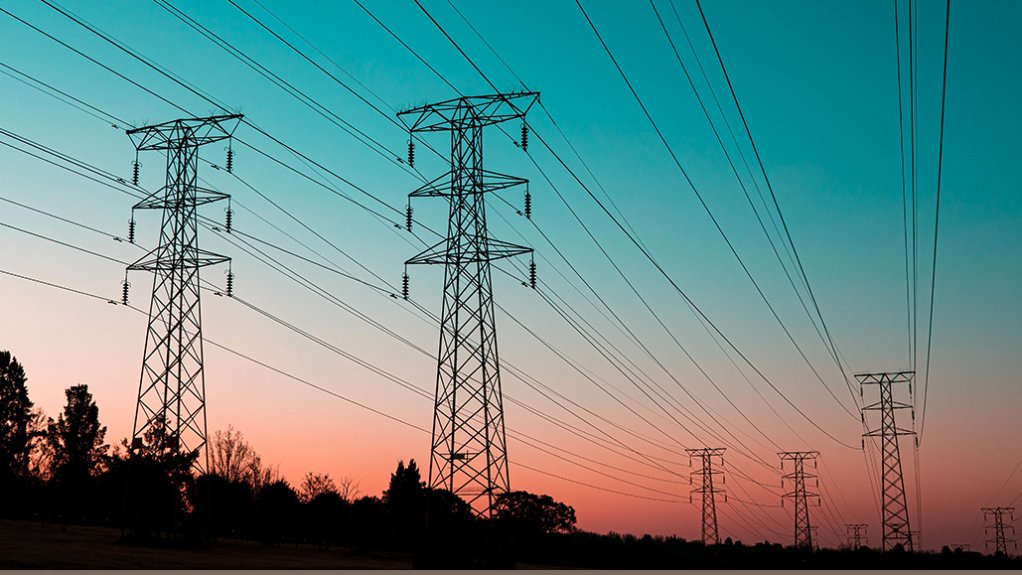
Powering Possibility: Southern Africa Steps into a New Energy Future
Powering the Future
👁️ 32,938 views
As Southern Africa continues to advance toward sustainable economic growth, renewable energy has emerged as one of the region’s most dynamic and transformative sectors. From large-scale solar farms in Namibia to wind corridors in South Africa and hydropower projects in Zambia, the region is steadily reshaping its energy landscape - reducing carbon footprints while unlocking new trade and investment potential.
The Shift Toward Sustainability
Driven by the dual imperatives of energy security and climate resilience, governments across the SADC region are prioritising renewable energy as a catalyst for inclusive growth. Policy frameworks, such as South Africa’s Renewable Energy Independent Power Producer Procurement Programme (REIPPPP) and Namibia’s National Integrated Resource Plan, are attracting billions in foreign direct investment and empowering local energy innovators.
This transition is not just about replacing fossil fuels - it’s about re-engineering economies for a low-carbon future. Renewable energy projects are creating jobs, enabling rural electrification, and reducing dependence on imported energy, thereby enhancing regional self-sufficiency.
Solar Power Expansion
With some of the highest solar irradiation levels in the world, Southern Africa is rapidly scaling photovoltaic (PV) and concentrated solar power (CSP) installations. Projects like the De Aar Solar Power plant in South Africa and the Omburu Solar PV plant in Namibia exemplify the potential for solar to become the backbone of the regional energy mix.
Wind and Hydro Integration
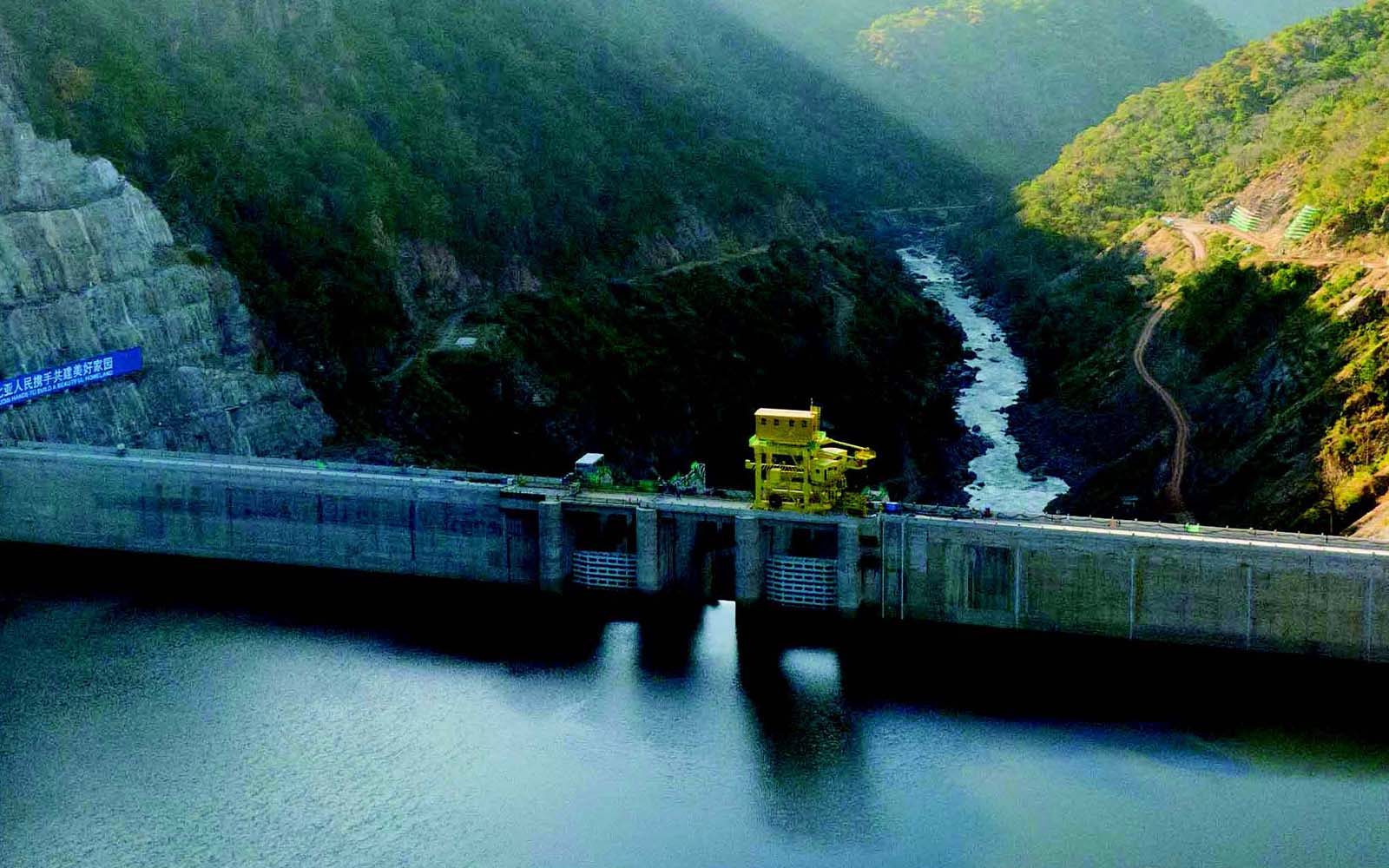
The region’s wind corridors - notably in South Africa’s Western Cape and coastal Namibia are being developed alongside major hydropower assets such as Zambia’s Kafue Gorge Lower project and Mozambique’s Cahora Bassa scheme, creating a diversified renewable portfolio.


.gif)
-Ltdc1.jpg)


