Latest News

Investment Outlook

Powering the Future
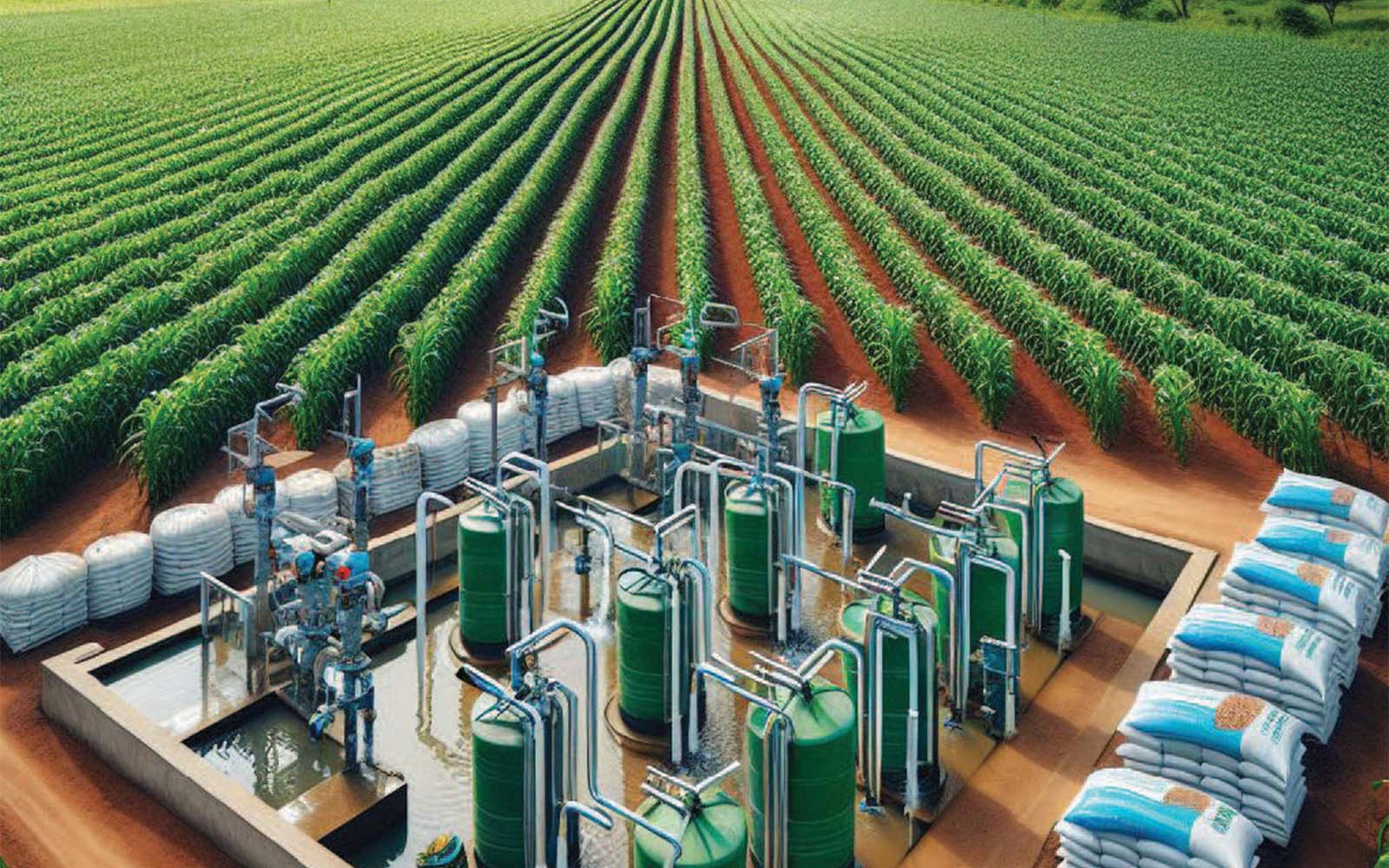
Innovation and sustainable production
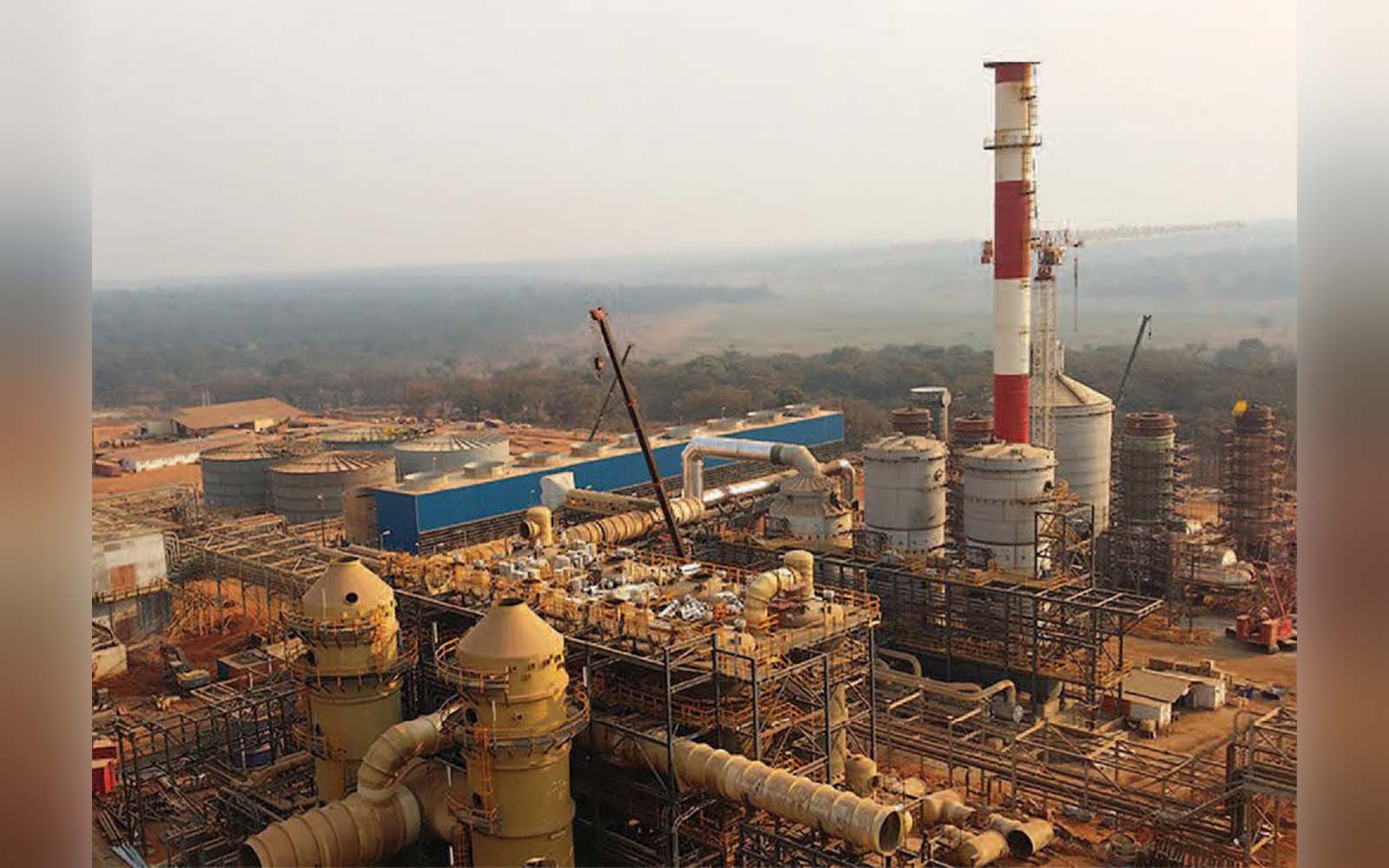
From resources to results
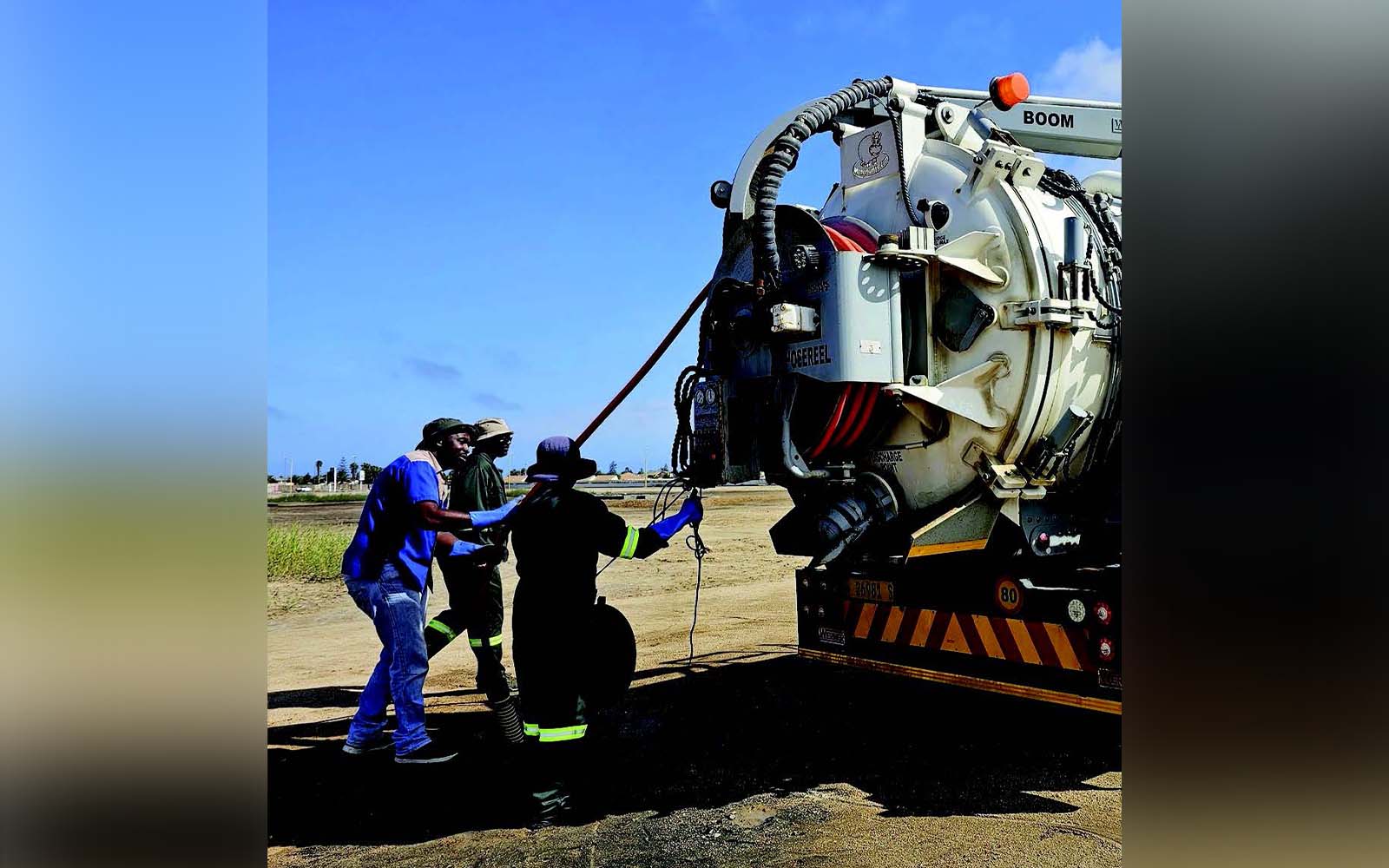
Regional growth through local expertise

Keeping Africa Flowing

Understanding B-BBEE

The Rise of Bleisure Travel

Staying Open for Business
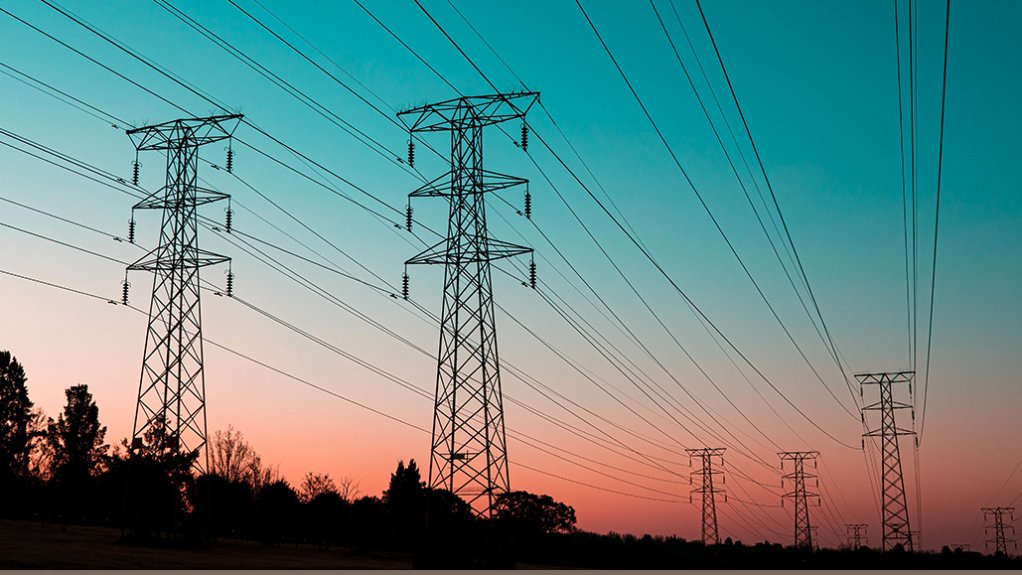
Powering Possibility: Southern Africa Steps into a New Energy Future
Historic Trade Milestone: Tripartite Free Trade Area Agreement Comes into Force
👁️ 17,709 views
From Thursday, July 25, at least 14 countries in East, Central, and Southern Africa will trade freely following the ratification of the Tripartite Free Trade Area (TFTA) Agreement. This agreement unites the East African Community (EAC), the Southern African Development Community (SADC), and the Common Market for Eastern and Southern Africa (COMESA) into a single trade bloc.
The TFTA comes into effect after 14 out of the 29 partner states submitted instruments of ratification, meeting the necessary threshold for the agreement to enter into force. Christopher Onyango, Director of Trade and Customs at the COMESA Secretariat in Lusaka, Zambia, confirmed that Malawi, Lesotho, and Angola are the latest countries to ratify the agreement, enabling it to take effect on July 25, 2024.
"This means that member states can start trading. But there are technical things which have to be put in place before they can begin trading freely," Onyango noted.
The countries that have ratified the agreement include Botswana, Burundi, Egypt, Eswatini, Kenya, Namibia, Rwanda, Uganda, South Africa, and Zambia. While Kenya, Rwanda, and Uganda have ratified the agreement, ratification is still pending for the Democratic Republic of Congo and Tanzania.
"In a significant way, it addresses the problem associated with membership in multiple regional economic communities," said Onyango.
The TFTA offers complete liberalization of tariff lines and the elimination of non-tariff barriers to trade. It also promotes best practices in transport and trade facilitation, as well as value chain development, which are crucial for boosting intra-African trade.
One major challenge hindering the TFTA's operationalization is the lack of a dedicated secretariat and institutional structure to coordinate and implement its programs and activities. Currently, coordination is managed on a rotational basis among the three RECs. Onyango emphasized the need for a regional headquarters to streamline activities.
Another challenge has been severe financial constraints, which have significantly slowed down negotiations on various pillars. The African Development Bank currently supports only the market integration pillar, which explains the slower progress in negotiations on infrastructure and industrial development, both essential for sustainable trade and development.
The COMESA-EAC-SADC TFTA, signed in 2015, comprises 29 countries, representing 53 percent of the African Union's membership, more than 60 percent of the continent's GDP ($1.88 trillion as of 2019), and a combined population of 800 million.
Under the market integration pillar, the TFTA has a more ambitious tariff liberalization schedule compared to the African Continental Free Trade Area (AfCFTA), which aims to create a single market for the continent. While the AfCFTA's tariff liberalization ambition is 90 percent for non-sensitive products, seven percent for sensitive products, and three percent for exclusion list, the TFTA targets 100 percent tariff liberalization.
Except for general and specific security exemptions, 60 percent to 85 percent of tariff lines are to be liberalized upon the agreement's entry into force, with the remaining 15 percent to 40 percent to be negotiated within five to eight years.


.gif)
-Ltdc1.jpg)


