Latest News
Tanzania Emerges as a Regional Economic Leader in SADCx

Malawi's Electoral Journey: A Test of Democratic Resolve
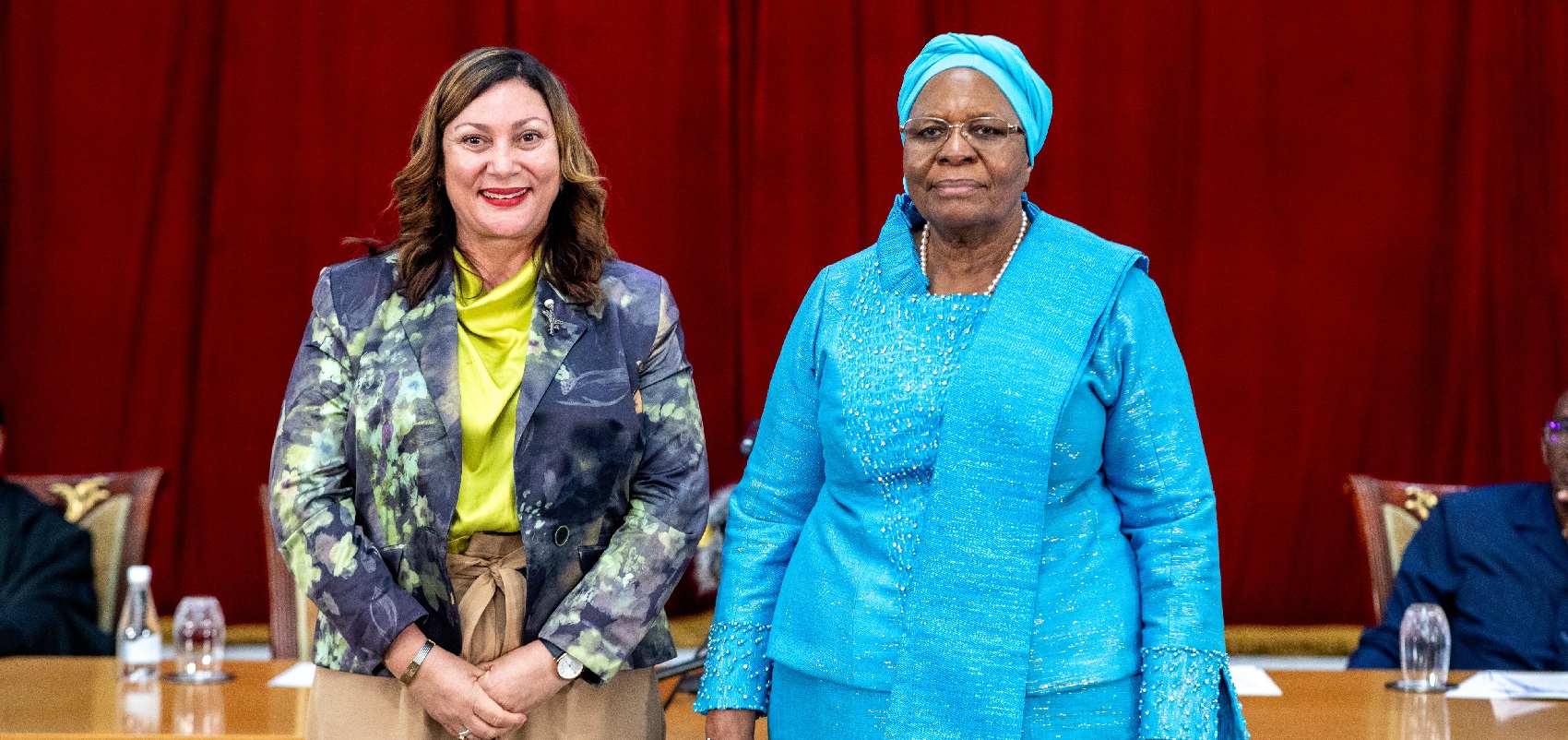
Malawi and China Diplomats Urge Action on Women's Digital and Social Inclusion in Africa
Mozambique Launches $40 Million Fund to Support Small Businesses
South Africa's Automotive Industry
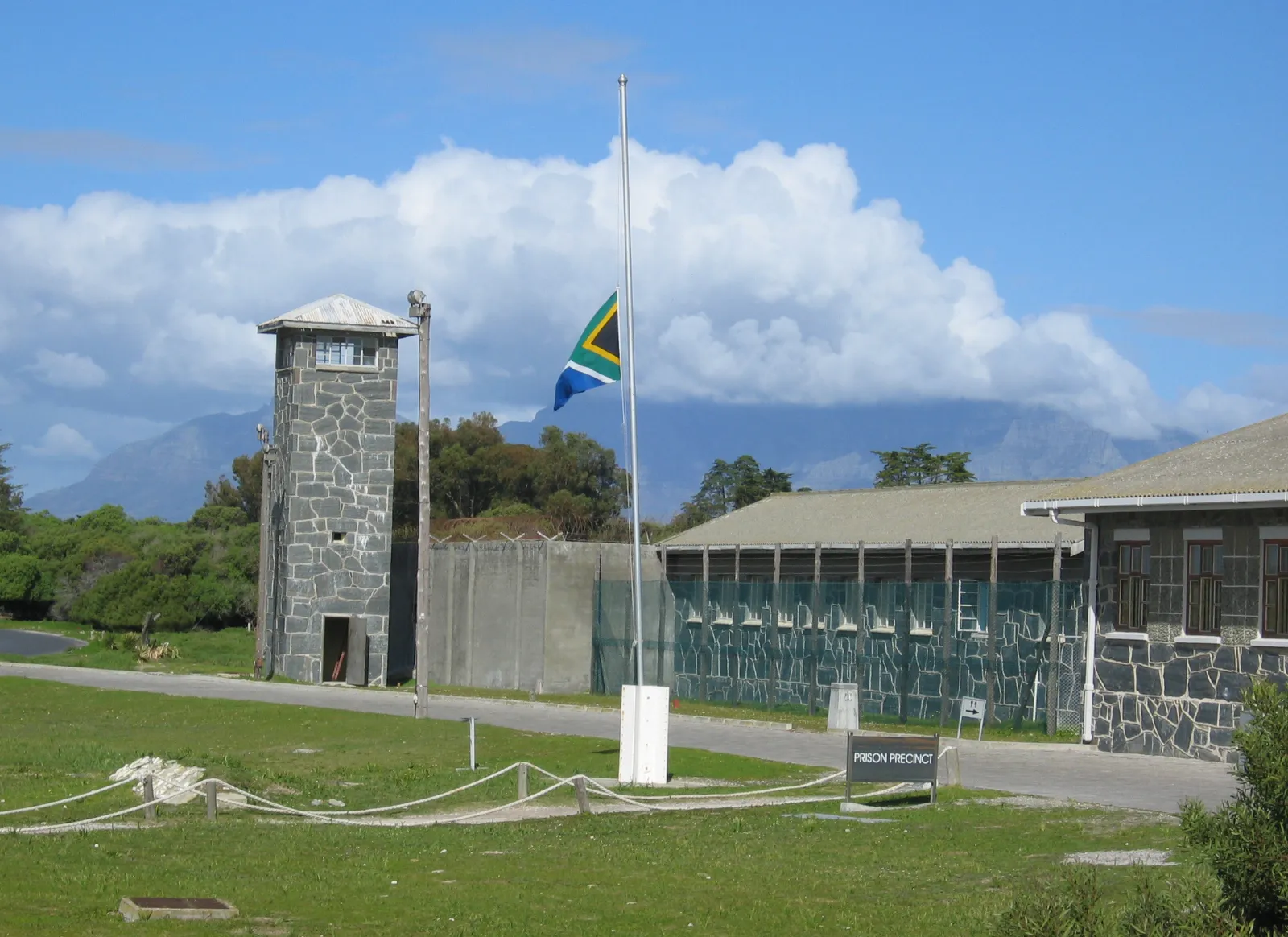
Robben Island Reunion to Honour Namibian and South African Political Prisoners
N$1 Billion Student Housing Project Set to Ease Windhoek Accommodation Shortage
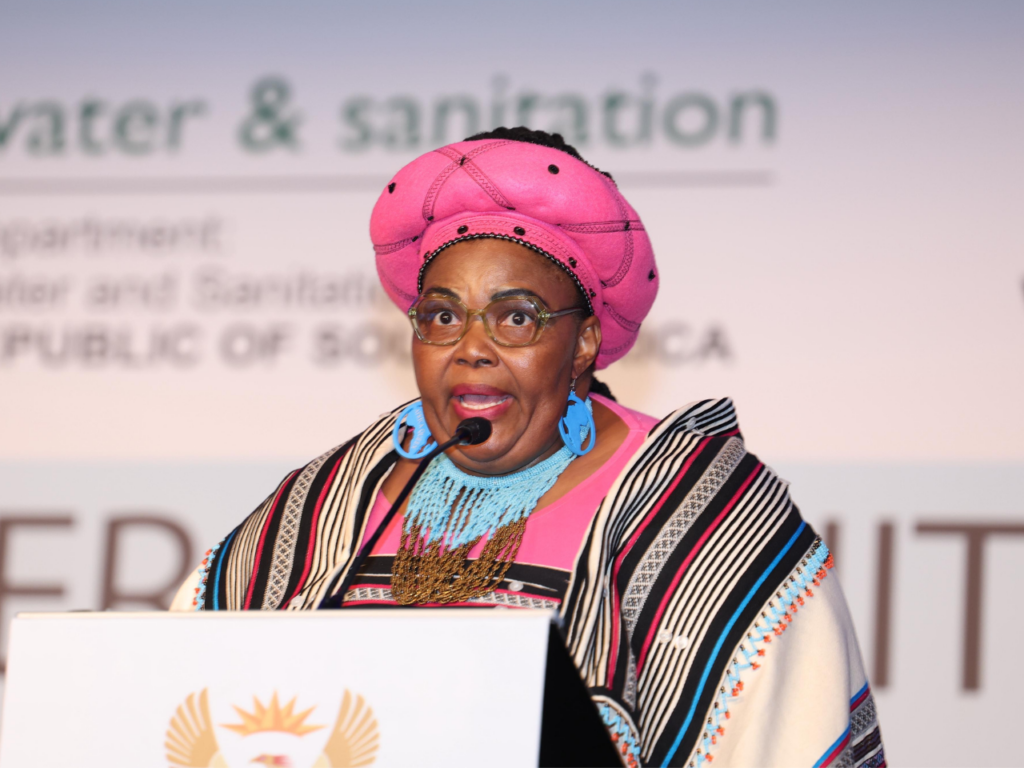
SA Calls for SADC Support for Africa Water Investment Summit
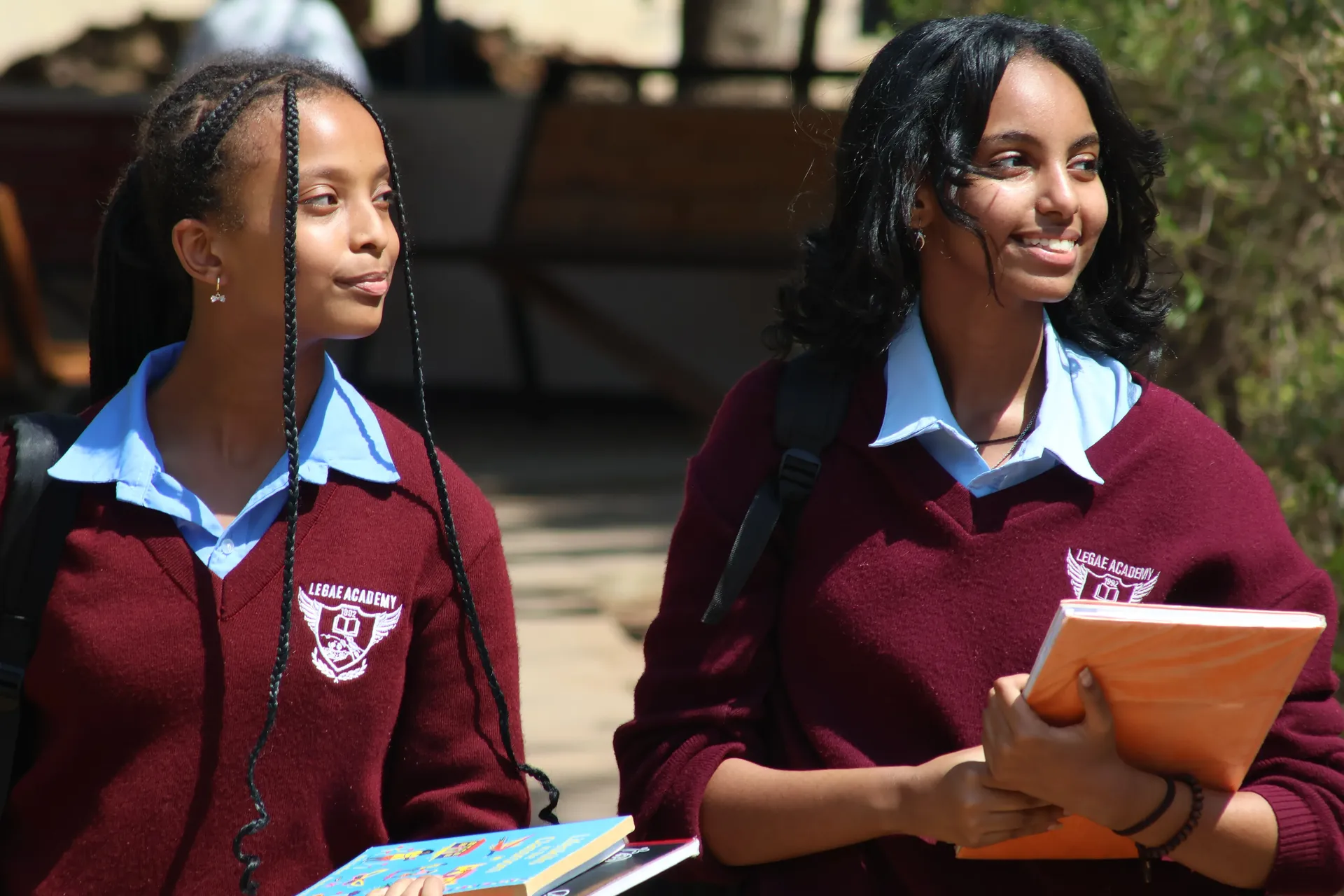
SGU Partners with Legae Academy to Support Aspiring Medical Students in Botswana
Foreword from Mr. Kinnear, CEO of Reliance Poultry Equipment
South Africa's Automotive Industry
👁️ 24,796 views
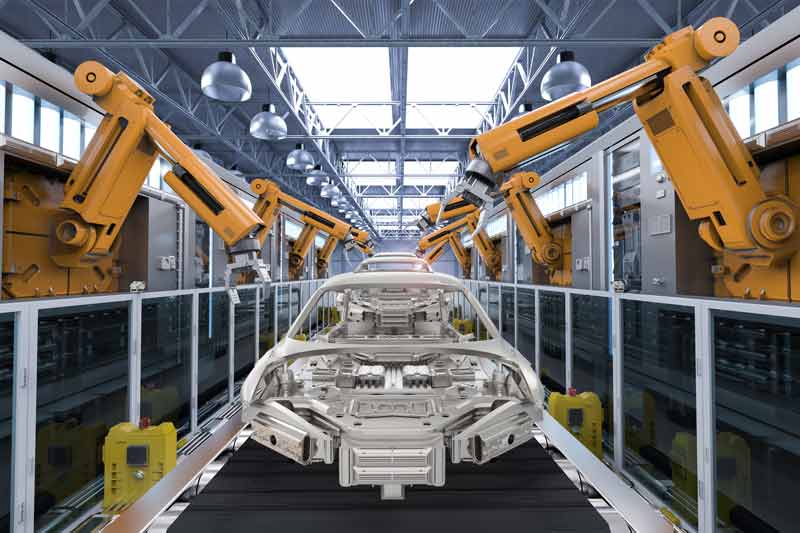
The South African automotive industry comprises 22 companies engaged in the production of passenger and commercial vehicles. Of these, seven are major manufacturers and assemblers of cars and light commercial vehicles, while several others focus on assembling medium and heavy commercial vehicles, including buses. Additionally, there are 21 companies involved in the import and distribution of new motor vehicles across the country. The component manufacturing sector is substantial, with approximately 500 suppliers, including around 180 first-tier suppliers.
At the heart of the automotive value chain are seven original equipment manufacturers (OEMs): BMW, Ford, Isuzu, Mercedes-Benz, Nissan, Toyota, and Volkswagen. These manufacturers have a significant economic presence in Gauteng, the Eastern Cape, and KwaZulu-Natal, where they, along with their supplier networks, form the backbone of the country's three main automotive clusters. Their socio-economic contribution plays a vital role in uplifting the communities where they operate.
Value Proposition
South Africa ranks as the 24th-largest vehicle manufacturer in the world and is responsible for more than two-thirds of Africa's total vehicle production. The country's automotive sector is supported by strong policy frameworks, including the Automotive Production and Development Programme (APDP) and the South African Automotive Master Plan (SAAM) 2035. These initiatives provide a clear roadmap for growth and offer incentives and support mechanisms that enhance the competitiveness of both OEMs and suppliers.
A key strength of the South African automotive industry is its high level of vertical integration. The presence of a strong and diverse component sector allows OEMs to source a wide range of parts and components within the local market. With approximately 500 suppliers spanning Tier 1, Tier 2, and Tier 3 levels, the supply chain is robust and capable of supporting large-scale manufacturing.
OEMs operating in South Africa also benefit from the country's strategic trade agreements, including access to markets across Africa through the African Continental Free Trade Area (AfCFTA), as well as preferential trade agreements with the European Union and the United States. These agreements provide duty-free access to several high-potential consumer markets, strengthening the export competitiveness of locally produced vehicles and components.
There are significant opportunities for growth in the development of local content and component manufacturing to support OEM supply chains. South Africa's automotive industry is geographically clustered in three major regions. Gauteng hosts manufacturers such as BMW, Nissan, Ford, Iveco, BAW, and MAN, along with most of the country's truck and bus producers. KwaZulu-Natal is home to operations by Toyota, Mahindra, and Volvo. The Eastern Cape includes major players like Volkswagen, Isuzu, Mercedes-Benz (Daimler), and Mitsubishi.
What sets South Africa apart from other automotive-producing nations is its commitment to promoting local content development and the supportive policy environment it offers to investors who align with this objective.
Local Contact
For more information, contact Charles Manuel, Director of Manufacturing. He can be reached at +27 12 394 5474 or via email at CManuel@thedtic.gov.za.
August 2024 Highlight:
A Success Story
InvestSA proudly celebrates the opening of Yanfeng Plastic Omnium South Africa's new R1 billion facility in Rosslyn. Supported by the Automotive Industry Development Centre, this state-of-the-art plant will supply components for the latest BMW X3 (G45 platform) assembled locally. The investment is expected to create 325 new jobs and contributes significantly to the local economy and the goals outlined in the South African Automotive Master Plan 2035.


.gif)
-Ltdc1.jpg)


