SADC Regional Government Handbookâ„¢ 2025 - 2026


Foskor is a proudly South African producer of phosphates and phosphoric acid with international exposure.

From ambitious beginnings in 2009 to a powerhouse of industry, the Barzani Group's history is a story of hard work...

The Ndlambe Municipality would like to take this opportunity to welcome you to our website.
Top Searches

Semane Engineering Solutions..
-Ltd.jpg)
Reliance Poultry Equipment (Pty) Ltd
Greater Tzaneen Local Municipality - South Africa

Foskor
Illovo Sugar (South Africa) Limited

Ndlambe Local Municipality SA
Barzani Group

Silulumanzi (Pty) Ltd.

Premier Eswatini SZ
Bidvest Waltons..
Ford South Africa

AECOM SA (Pty) Ltd
Latest News View All
Tanzania Emerges as a Regional Economic Leader in SADCx
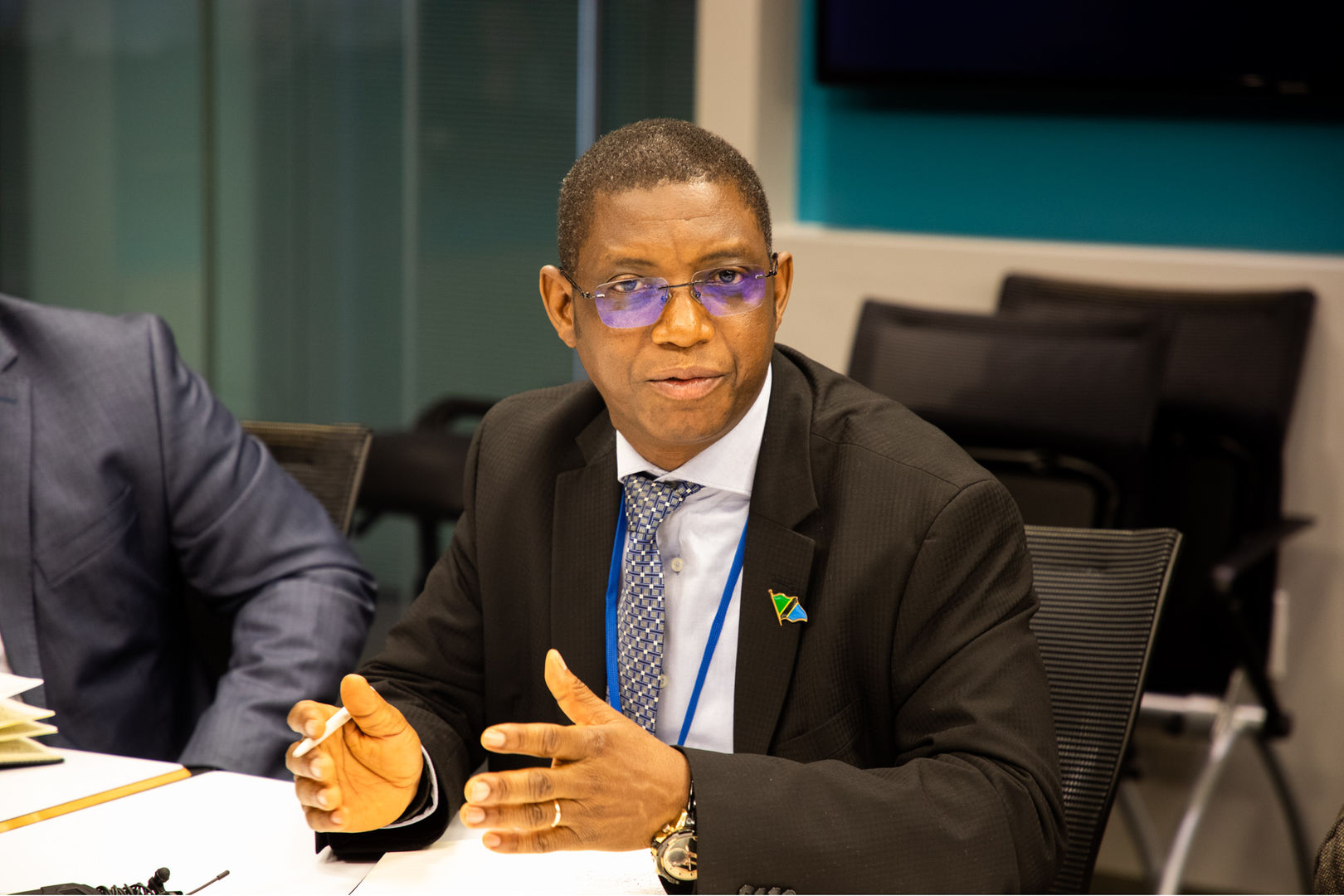
Dar es Salaam, Tanzania continues to stand out as a pillar of economic stability and growth within the Southern African Development Community (SADC), according to the latest regional economic report. The findings, presented at the 61st Meeting of the Committee of Central Bank Governors (CCBG) held recently in Gaborone, Botswana, highlight Tanzania's impressive macroeconomic performance amid a challenging regional environment. Represented by Bank of Tanzania Governor Emmanuel Tutuba, the country demonstrated remarkable resilience, achieving a 5.5 percent economic growth rate in 2024. This growth rate is the second highest in the SADC bloc, significantly outpacing the regional average of 3.0 percent. Tanzania's strong performance contrasts with the mixed economic outcomes of other member states, including Botswana and South Africa, which faced negative or minimal growth. The report attributes Tanzania's success to robust domestic economic activity, supported by increased exports, favourable weather conditions, and improved access to electricity. These factors have contributed to accelerated growth, reinforcing Tanzania's role as a key economic anchor in the region. The country's prudent fiscal management and low inflation rates, maintained despite global economic shocks, further underscore its stability. In terms of inflation control, Tanzania is among only seven SADC countries that have kept inflation within the macroeconomic convergence target of 3 to 7 percent. While the regional average inflation rate eased to 9.0 percent, many member states continue to struggle with higher inflation levels. Tanzania's effective monetary policies have been instrumental in achieving this success. Trade performance is another area where Tanzania shines. Unlike most SADC countries, which are net importers, Tanzania recorded a trade surplus of approximately 2.0 billion US dollars (about 4.94 trillion Tanzanian shillings). This surplus reflects the country's strong export sector and its positive contribution to regional trade integration. The SADC Macroeconomic Convergence Index further confirms Tanzania's consistent economic stability and sound policy management over the years. The 61st CCBG meeting, chaired by South African Reserve Bank Governor Lesetja Kganyago, provided a platform for central bank governors to discuss strategies for boosting economic growth, enhancing banking supervision, ensuring financial sector stability, and advancing payment systems. Overall, Tanzania's economic trajectory in 2024 positions it as a model of resilience and growth within the SADC region, showcasing the benefits of sound macroeconomic management and strategic development policies.
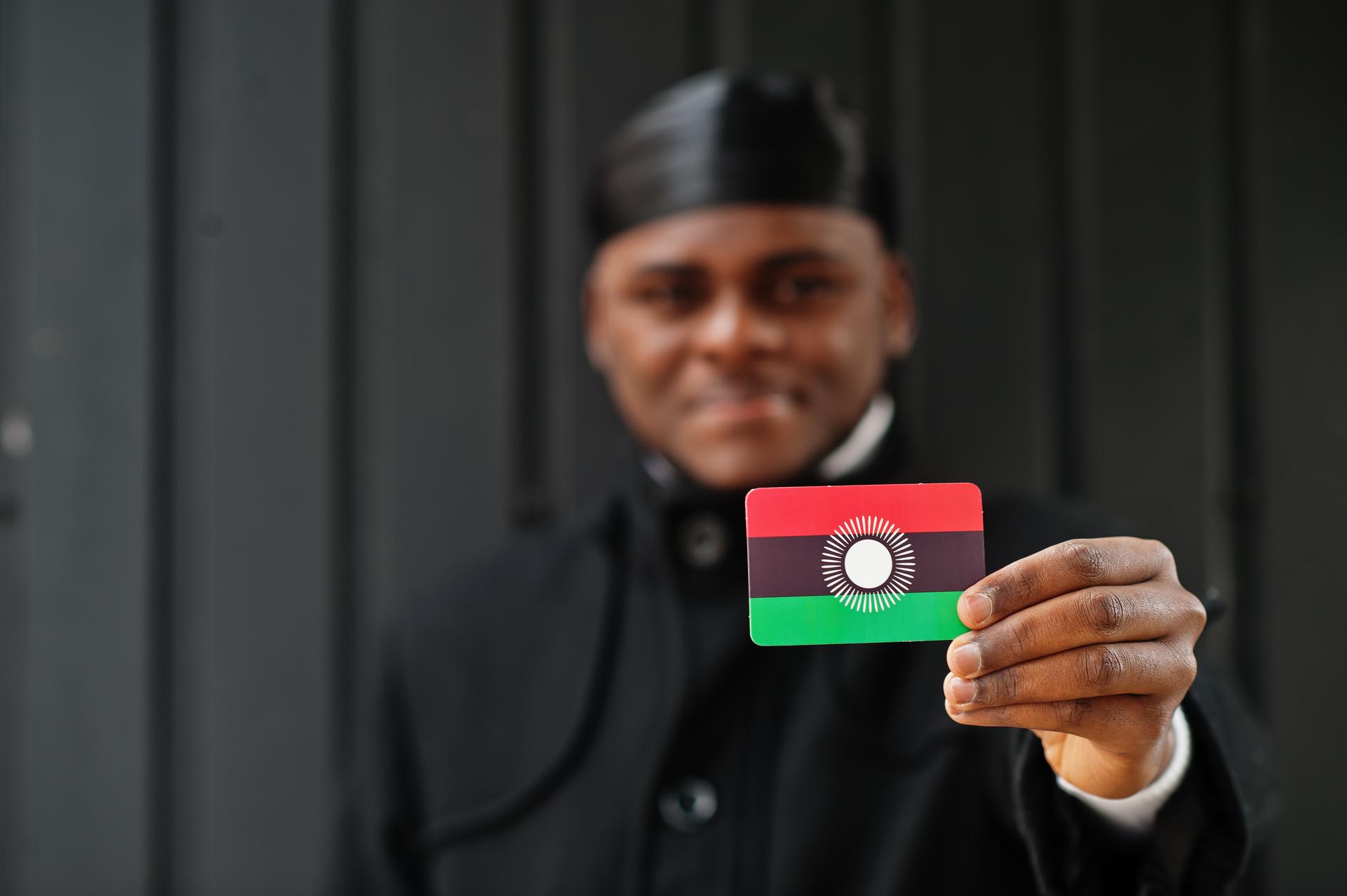
Malawi's Electoral Journey: A Test of Democratic Resolve
Vote counting is underway in Malawi after polling stations closed at 14:00 GMT on Tuesday, 16 September 2025, marking an important step in the country's democratic journey. This year's elections covering presidential, parliamentary, and local government levels-drew an impressive turnout, with approximately 3.7 million ballots cast out of 7.2 million registered voters. President Lazarus Chakwera is seeking a second term, facing off against former President Peter Mutharika in what many view as a close two-man race. Both leaders campaigned strongly on promises of economic recovery, with Chakwera highlighting achievements such as infrastructure projects and the revival of train services, while Mutharika's supporters praised his record of stability and economic management. The electoral process was not without minor challenges. Some polling stations experienced delays due to biometric fingerprint reader issues. According to statements from the Malawi Electoral Commission, these were managed effectively, with backup options like inked fingerprints and pens ensuring all citizens could participate. Officials described the situation as "queueing challenges" that were quickly addressed. While the spotlight remains on Chakwera and Mutharika, Malawi's political stage is broader than ever. The presidential race featured 17 candidates, including former president Joyce Banda, Vice-President Michael Usi, and former central bank governor Dalitso Kabambe. This wide range of contenders reflects a dynamic democratic system where multiple visions for the nation's future are presented to the people. Observers note that Malawi's elections carry symbolic weight for Africa's democratic reputation. The nation has shown resilience in strengthening its electoral institutions, particularly after the 2019 presidential results were overturned due to irregularities. That landmark court ruling paved the way for reforms aimed at ensuring transparency and broad public trust in the system. Despite the challenges of recent years economic turbulence, natural disasters, and the tragic passing of the vice-president Malawians turned out in large numbers to have their voices heard. According to statements from election officials, this strong participation demonstrates citizens' commitment to shaping a hopeful future. The Malawi Electoral Commission has until 24 September to announce the presidential results, with parliamentary outcomes expected by 30 September. As counting continues, the atmosphere remains calm, with many citizens and observers expressing optimism. For Malawians, these elections are not just about choosing leaders but also about reaffirming their country's position as a resilient democracy working toward growth and stability.
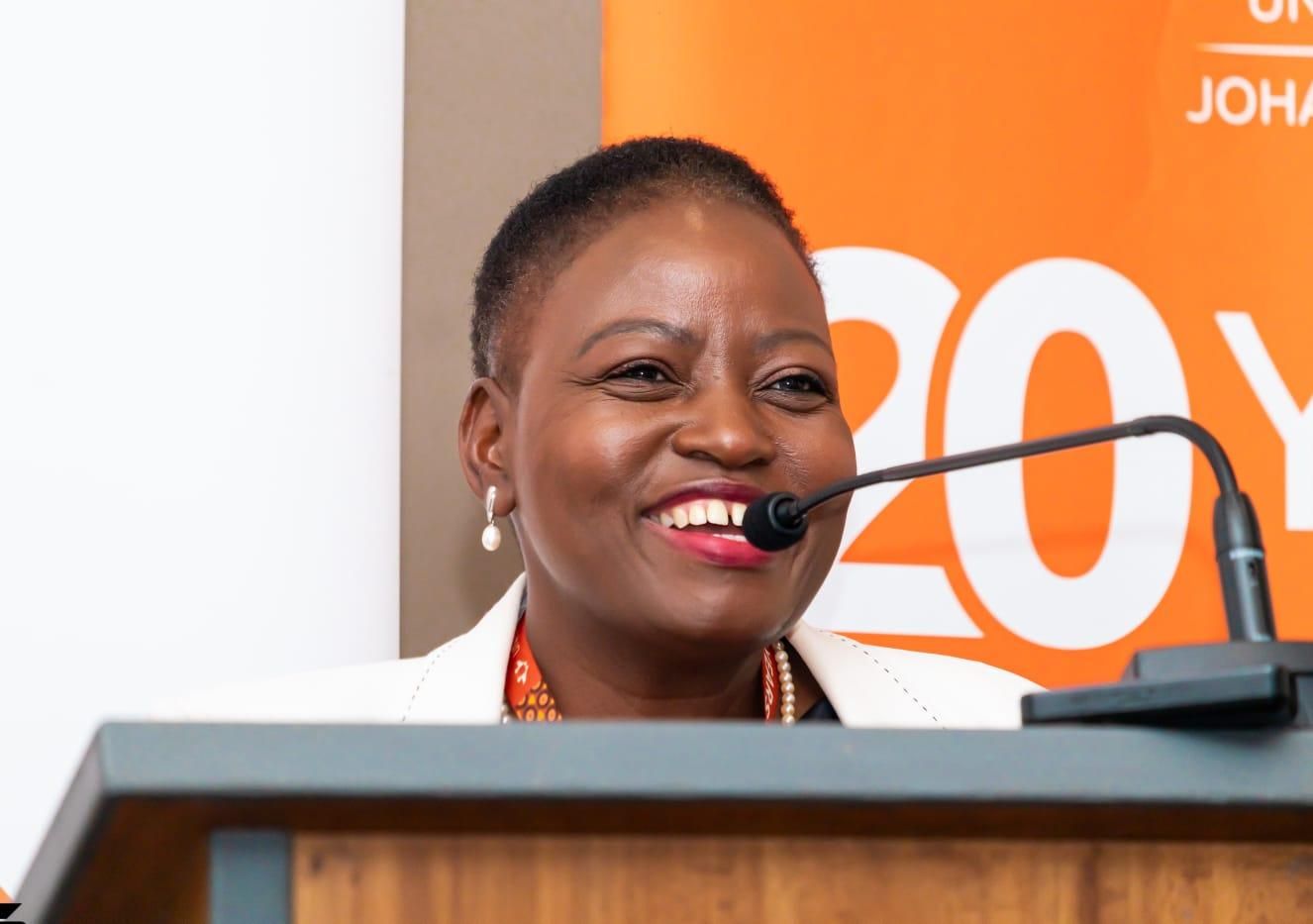
Malawi and China Diplomats Urge Action on Women's Digital and Social Inclusion in Africa
The digital exclusion of women in Africa remains a pressing challenge that threatens to widen inequality across the continent, according to Malawi's High Commissioner to South Africa, Stella Hauya Ndau. Addressing the Women for Impact: Innovation and Sustainability in Africa (WIISA) conference at the University of Johannesburg, Ndau said women's lack of access to technology is part of a broader web of disadvantages shaped by poverty, gender, geography, and colonial legacies. She argued that Africa faces a decisive moment: continue on a path of inequality and exclusion, or embrace innovation and equity to achieve lasting transformation. Ndau emphasised that intersectionality is essential to understanding how African women experience challenges. She noted that a girl in rural Malawi cannot separate digital exclusion from poverty or climate change, underscoring the need for solutions that reflect these overlapping realities. While Africa has the world's youngest population and one of the fastest-growing tech ecosystems, Ndau highlighted that women remain locked out of progress. She pointed to figures showing African women are less likely to own mobile phones and far less likely to use mobile internet than men, warning that innovation which excludes women undermines sustainable development. Also speaking at the event, Acting Consul General of China in Johannesburg, Zhou Yujiang, stressed the importance of government involvement in advancing women's empowerment. He said women continue to face unequal access to rights and resources, despite representing a driving force of social and economic development. Zhou noted that women make up more than half of the world's impoverished population and often suffer disproportionately from conflict, epidemics, and violence. He outlined China's initiatives, including targeted programmes like "Water Cellar for Mothers" and "Spring Bud," as well as legislative reforms aimed at protecting women's rights. He added that the 1995 Beijing Declaration on gender equality remains a milestone, inspiring global reforms and action plans to combat violence and discrimination against women. Zhou confirmed that China will co-host a global leaders' meeting with UN Women later this year to strengthen international cooperation on gender equality and women's empowerment.
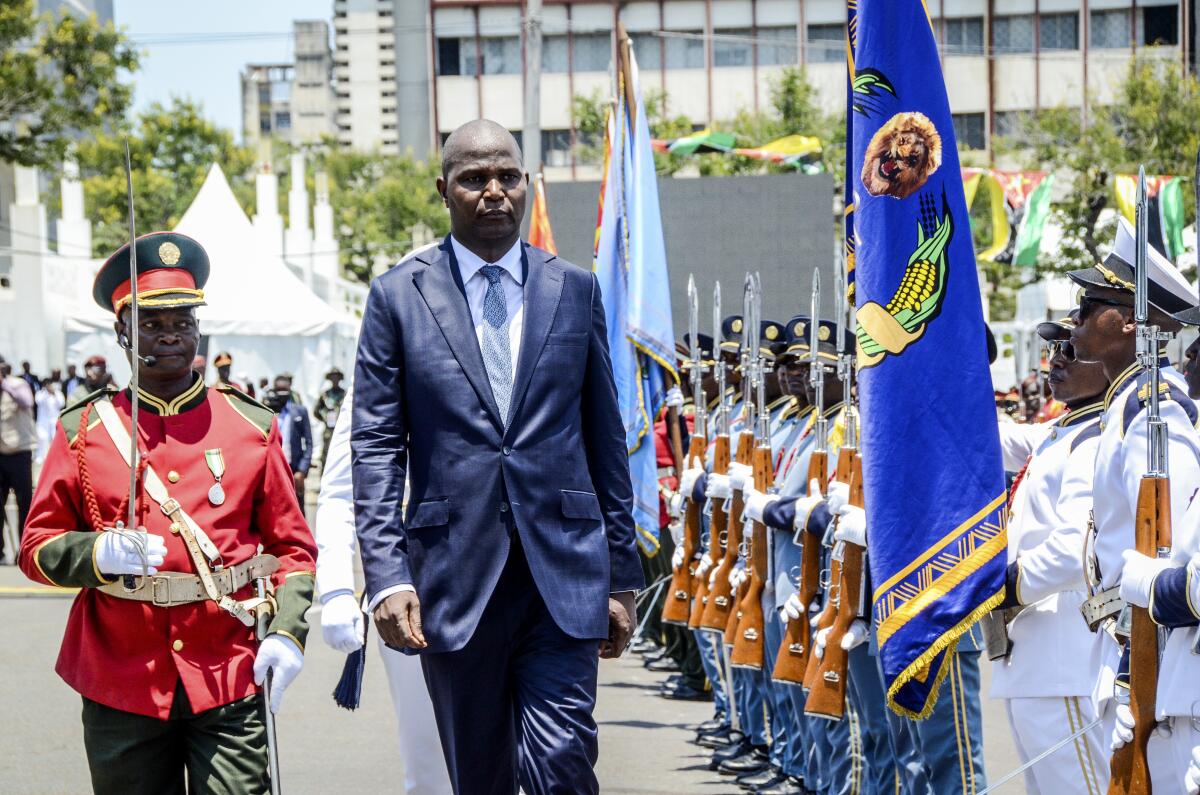
Mozambique Launches $40 Million Fund to Support Small Businesses
Mozambique has unveiled a new US$40 million Mutual Guarantee Fund designed to ease access to financing for Micro, Small, and Medium-Sized Enterprises (MSMEs). The initiative was officially launched by President Daniel Chapo during the opening of the 60th Maputo International Trade Fair (FACIM), the country's largest showcase of goods, services, and investment opportunities. According to President Chapo, the fund is more than a financial tool; it represents a path to economic recovery and a lifeline for entrepreneurs, particularly young people and women. The expectation is that at least 15,000 MSMEs will benefit from credit guarantees, enabling them to grow their businesses, create jobs, and drive innovation in the national economy. He explained that one of the biggest challenges faced by Mozambican enterprises is limited access to finance, largely due to high interest rates that many cannot afford. Small and medium-sized businesses, which make up 90% of Mozambique's economic activity, often struggle to secure loans, despite being central to job creation and income generation. The new fund aims to bridge this gap by guaranteeing loans, thereby making credit more accessible and affordable. Initial financing for the fund comes from the World Bank, and its implementation will be overseen by Banco Comercial de Investimentos (BCI), Standard Bank, and Absa Bank. President Chapo acknowledged the banks already involved and encouraged other financial institutions to join the initiative. He emphasised that the fund's success will depend on transparent and inclusive systems that ensure it benefits the entrepreneurs most in need. The creation of the Mutual Guarantee Fund was formally approved by the Council of Ministers in June 2024, with an allocation of 4.4 billion meticais (around €64 million). The government decree highlights its purpose: to facilitate credit for MSMEs by providing guarantees and counter-guarantees to banks and other financial institutions. This mechanism is expected to reduce lending risks for banks, which in turn should lower interest rates for business owners. The launch coincided with the opening of FACIM’s 60th edition, which runs until August 31. The event has attracted 3,150 exhibitors from Mozambique and abroad, making it the largest platform for business networking and trade promotion in the country. Alongside exhibitions, the fair will feature seminars, business exchanges, and a special business forum focused on strengthening ties with South Africa. FACIM also includes a display of military and police equipment, which, according to organisers, is intended to highlight opportunities for collaboration between defence and the civic sector. Each year, FACIM provides a space to showcase Mozambique's economic potential and attract investment, while this year's edition carries added significance with the launch of the Mutual Guarantee Fund. The initiative is seen as a key step in building a stronger, more resilient private sector that can support the country’s long-term economic growth.
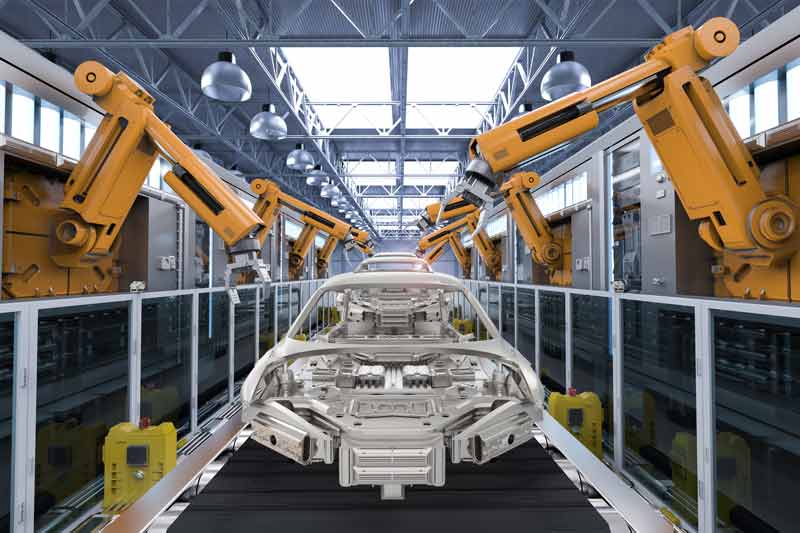
South Africa's Automotive Industry
The South African automotive industry comprises 22 companies engaged in the production of passenger and commercial vehicles. Of these, seven are major manufacturers and assemblers of cars and light commercial vehicles, while several others focus on assembling medium and heavy commercial vehicles, including buses. Additionally, there are 21 companies involved in the import and distribution of new motor vehicles across the country. The component manufacturing sector is substantial, with approximately 500 suppliers, including around 180 first-tier suppliers. At the heart of the automotive value chain are seven original equipment manufacturers (OEMs): BMW, Ford, Isuzu, Mercedes-Benz, Nissan, Toyota, and Volkswagen. These manufacturers have a significant economic presence in Gauteng, the Eastern Cape, and KwaZulu-Natal, where they, along with their supplier networks, form the backbone of the country's three main automotive clusters. Their socio-economic contribution plays a vital role in uplifting the communities where they operate. Value Proposition South Africa ranks as the 24th-largest vehicle manufacturer in the world and is responsible for more than two-thirds of Africa's total vehicle production. The country's automotive sector is supported by strong policy frameworks, including the Automotive Production and Development Programme (APDP) and the South African Automotive Master Plan (SAAM) 2035. These initiatives provide a clear roadmap for growth and offer incentives and support mechanisms that enhance the competitiveness of both OEMs and suppliers. A key strength of the South African automotive industry is its high level of vertical integration. The presence of a strong and diverse component sector allows OEMs to source a wide range of parts and components within the local market. With approximately 500 suppliers spanning Tier 1, Tier 2, and Tier 3 levels, the supply chain is robust and capable of supporting large-scale manufacturing. OEMs operating in South Africa also benefit from the country's strategic trade agreements, including access to markets across Africa through the African Continental Free Trade Area (AfCFTA), as well as preferential trade agreements with the European Union and the United States. These agreements provide duty-free access to several high-potential consumer markets, strengthening the export competitiveness of locally produced vehicles and components. There are significant opportunities for growth in the development of local content and component manufacturing to support OEM supply chains. South Africa's automotive industry is geographically clustered in three major regions. Gauteng hosts manufacturers such as BMW, Nissan, Ford, Iveco, BAW, and MAN, along with most of the country's truck and bus producers. KwaZulu-Natal is home to operations by Toyota, Mahindra, and Volvo. The Eastern Cape includes major players like Volkswagen, Isuzu, Mercedes-Benz (Daimler), and Mitsubishi. What sets South Africa apart from other automotive-producing nations is its commitment to promoting local content development and the supportive policy environment it offers to investors who align with this objective. Local Contact For more information, contact Charles Manuel, Director of Manufacturing. He can be reached at +27 12 394 5474 or via email at CManuel@thedtic.gov.za. August 2024 Highlight: A Success Story InvestSA proudly celebrates the opening of Yanfeng Plastic Omnium South Africa's new R1 billion facility in Rosslyn. Supported by the Automotive Industry Development Centre, this state-of-the-art plant will supply components for the latest BMW X3 (G45 platform) assembled locally. The investment is expected to create 325 new jobs and contributes significantly to the local economy and the goals outlined in the South African Automotive Master Plan 2035.
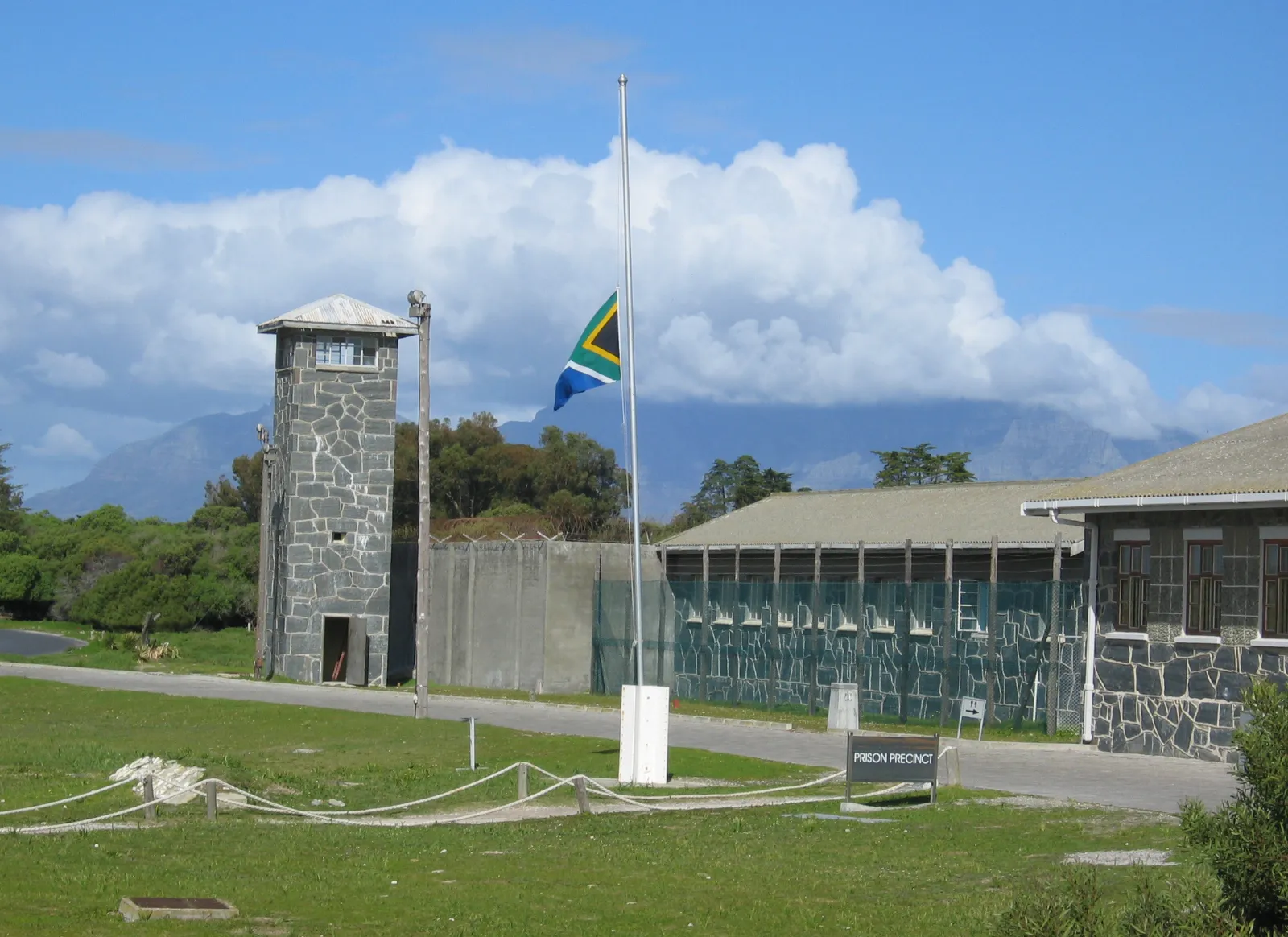
Robben Island Reunion to Honour Namibian and South African Political Prisoners
Former Namibian and South African Robben Island political prisoners will reunite on 27 September in a landmark event of remembrance, unity, and tribute. The gathering marks the first reunion since 1995 and will be held on the island where many spent years imprisoned during the struggle against apartheid and colonial rule. The reunion follows a recent visit to Windhoek by South African minister of sport, arts and culture Gayton McKenzie, who met with Namibian minister Sanet Steenkamp and several former Namibian political prisoners. The visit reignited efforts to formally recognise and preserve the legacy of those who were incarcerated for their role in the liberation movements of southern Africa. According to South Africa's deputy director general of heritage promotion and preservation, Vusithemba Ndima, the commemorative event will feature the unveiling of six statues. These will include tributes to global statesman Nelson Mandela and Namibian hero Andimba Toivo ya Toivo, who was held on Robben Island for 16 years. In addition, a memorial wall bearing the names of all Robben Island prisoners will be introduced as a lasting tribute. Ndima also noted that medals would be awarded to former political prisoners in recognition of their endurance and courage in the face of injustice. The event aims to honour the strength of those who endured inhumane conditions while remaining steadfast in their beliefs. Namibian former prisoners such as Sakaria Nashandi, Jerry Ekandjo, and Ben Ulenga have shared accounts of their arrests, brutal treatment, and years of confinement. Despite this, they described their imprisonment as part of a broader fight for freedom, reflecting on the perseverance and unity built within the prison walls. South African former prisoner Mpho Masemula described Robben Island as a place where political detainees continued to educate themselves and participate in sport, even in adversity. Steenkamp confirmed that both governments are collaborating to repatriate the remains of three Namibian Robben Island prisoners: Festus Nehale, Shimuefeleni Jonas, and Petrus Niilenge who died while incarcerated. According to Martin Kapewasha, chairperson of the Robben Island Prisoners' Trust Fund, only 11 of the 63 Namibians originally imprisoned on the island are still alive. The reunion, he said, is a powerful reminder of their legacy and the long road to freedom.
Compliance Companies
THE SPOTLIGHT


_ltd/Logo.jpg)

.jpg)
Country Demographics
 Angola
 Botswana
 Comoros
 Congo
Congo
 Eswatini
 Lesotho
 Madagascar
 Malawi
 Mauritius
 Mozambique
 Namibia
 Seychelles
 SA
SA
 Tanzania
 Zambia
 Zimbabwe
Video Gallery
Featured Partners
.gif)